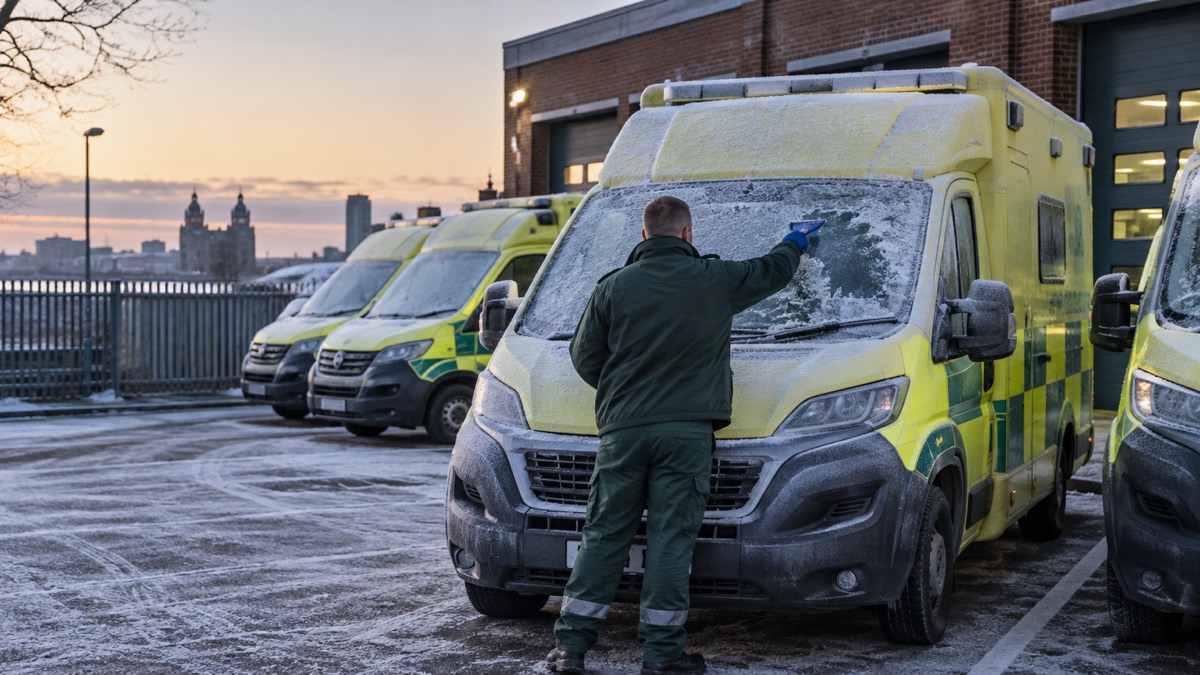
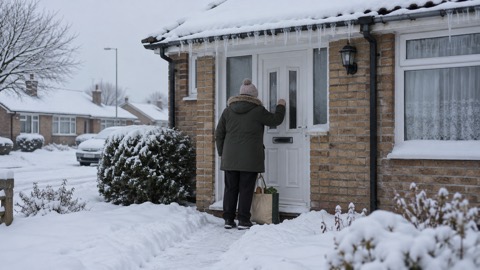
The UK Health Security Agency (UKHSA) issued a yellow cold health alert for the North West covering the February half-term weekend, running from 6am on Friday 13 February to 8am on Monday 16 February1. The North West Ambulance Service announced the alert and published health advice on 13 February 20261.
The ambulance service said the alert is put in place when forecast weather may impact people's health, and that health services are typically busier in periods of cold weather as well as during school holidays1. It set out how parents can treat common childhood illnesses and injuries at home, and where to seek advice without attending A&E1.
Dr Merav Kliner, Deputy Director at UKHSA North West, said:
"Cold weather affects children more than many people think, especially younger children and those with health conditions."
Dr Kliner said a few simple steps can help keep children well during the school break, including trying to keep rooms heated to at least 18°C, dressing them in multiple layers and supporting good hand hygiene, and that most winter illnesses can be treated at home or with help from a pharmacy1.
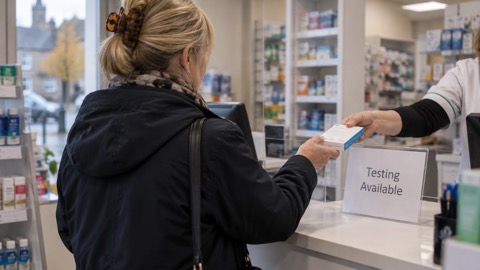
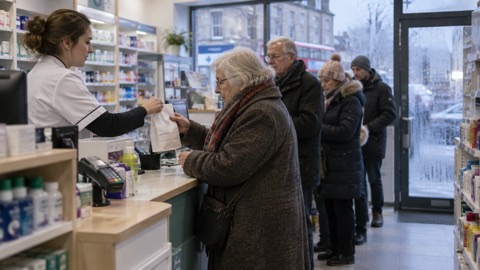
Dr Michael Gregory, Regional Medical Director for NHS England in the North West, said NHS 111 online works in the same way as the 111 phone service and can include getting a call back from a trained health professional, booking an appointment if required, or providing advice1. He said NHS 111 online can help support anyone over the age of five, and that parents needing support for children and babies under five should call 1111. The ambulance service said community pharmacies offer consultations in a private room with a highly qualified health professional without an appointment, and can provide some prescription medicines for common conditions where appropriate, without the need for a GP appointment or prescription1.
The advice published for managing minor childhood illnesses at home is summarised below1.
| Illness or injury | Advice given |
|---|---|
| Coughs and colds | Usually mild; can be managed with rest and fluids |
| Raised temperature | Natural response to infection; use children's paracetamol or ibuprofen as needed |
| Fever in a child under 3 months | Seek medical advice if temperature is over 38°C; GP can help, or NHS 111 when the GP is closed |
| Fever in a child over 3 months | Seek medical advice if temperature is above 39°C; GP can help, or NHS 111 when the GP is closed |
| Sore throat | Often viral; can be soothed with warm drinks and honey (for children over one year old) |
| Ear discomfort | Usually follows coughs and colds; often clears up on its own and can be relieved with painkillers |
| Upset stomach | Make sure the child drinks plenty of water and encourage regular handwashing |
| Scrapes and grazes | Clean the wound and cover it with a plaster or dressing to help stop infection |
Why it matters for households
The alert covers the North West and runs across the February half-term weekend, from 6am on Friday 13 February to 8am on Monday 16 February1. Households with younger children and children with health conditions are the group UKHSA highlighted as more affected by cold weather1. The guidance attributed to UKHSA is to try to keep rooms heated to at least 18°C, dress children in multiple layers and support good hand hygiene1. For advice, NHS England in the North West points to NHS 111 online for anyone over five and the 111 phone line for children and babies under five, and to community pharmacies for minor concerns without an appointment1. The ambulance service said health services are typically busier during cold weather and school holidays1.
What happens next
The alert is due to end at 8am on Monday 16 February1. No further alert for the region after that date has been reported.
For more on what the alert levels mean, see Yellow, Amber and Red Cold-Health Alerts: What They Mean and Cold-Health Alerts: What the UKHSA Alert Levels Mean. Background on the agency is in The UK Health Security Agency: Alerts, Outbreak Advice and Local Teams, and on health risks in the cold in Staying Well in Cold Weather: Health Risks and Who Is Most at Risk.
 Cold-Health Alerts Explained
 Cold-Health Alerts
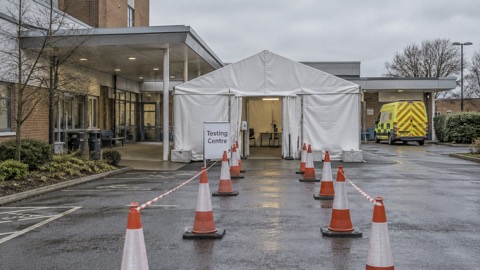 UK Health Security Agency
 Staying Well in Cold Weather