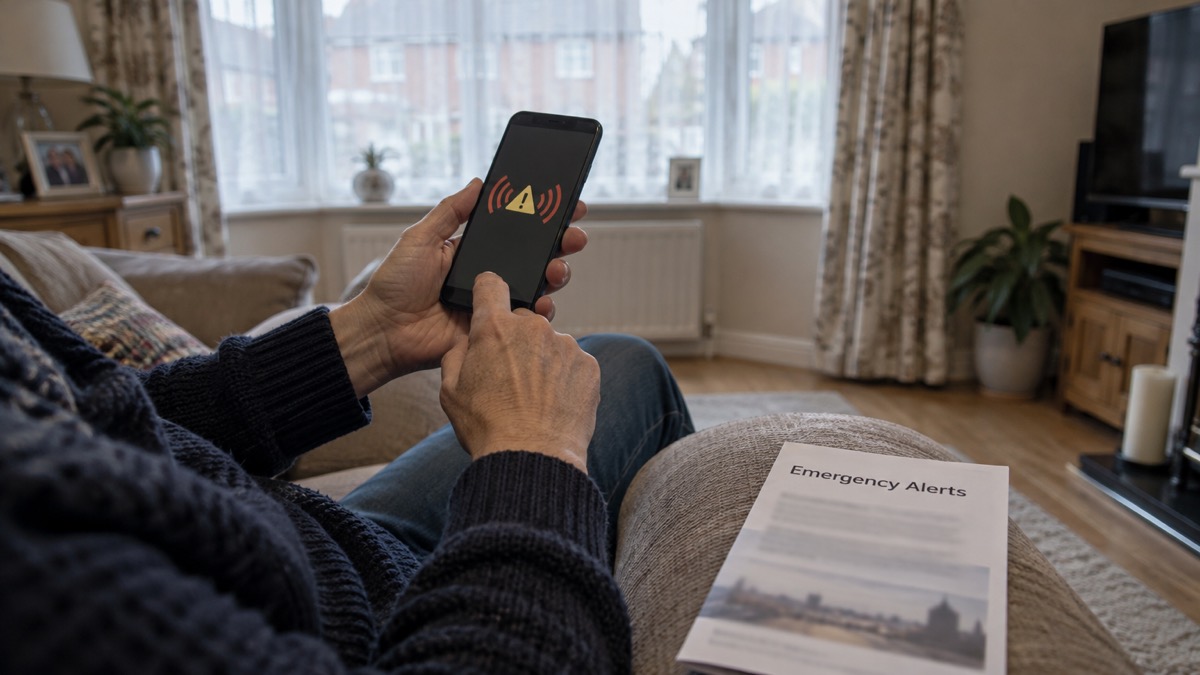
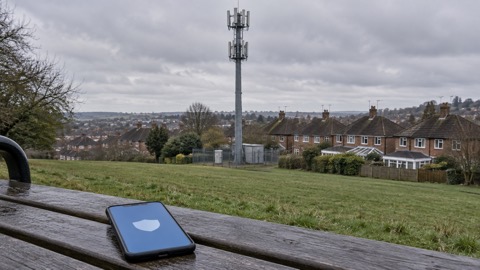
A UK-wide test of the Emergency Alerts service was sent to England, Northern Ireland, Scotland and Wales on Sunday 7 September 2025, according to the government's record of past alerts1. The message described the service as one "that will warn you if there's a life-threatening emergency nearby"1.
The test message told recipients that no action was needed and directed them to preparedness advice. The full wording recorded for the test reads: "This is a test of Emergency Alerts, a UK government service that will warn you if there's a life-threatening emergency nearby. You do not need to take any action. In a real emergency, follow the instructions in the alert to keep yourself and others safe."1 It also pointed readers to gov.uk/prepare for "simple and effective advice on how to prepare for emergencies" and to gov.uk/alerts for more information or to view the message in Welsh1.
The same record shows how the service has been used for real incidents since. Alerts have been issued for red wind warnings, flooding and a wartime bomb disposal, among other events1. The most recent entry is dated Friday 14 August 2026, when an alert was sent to England and Wales warning of a very high national risk of wildfires, with a separate Welsh-language alert sent to Wales1. Earlier entries include alerts for Storm Darragh in December 2024, Storm Éowyn in January 2025, severe flooding on the River Soar in January 2025 and the movement of a WWII bomb in Plymouth in February 20241.
The government states that Emergency Alerts can be written in English or Welsh1. The test message itself was issued in English, with a line directing readers to gov.uk/alerts to view it in Welsh1.
"This is a test of Emergency Alerts, a UK government service that will warn you if there's a life-threatening emergency nearby."
Why it matters for households
The test reached phones across all four nations of the UK on 7 September 20251. The government's message stated that recipients did not need to take any action in response to the test1. In a real emergency, the same message format asks people to follow the instructions in the alert to keep themselves and others safe1.
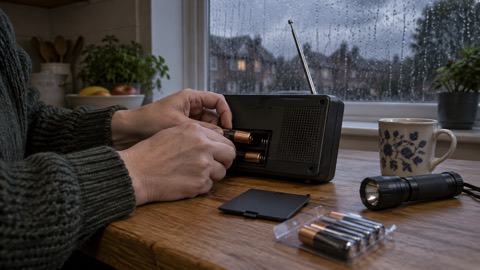
The record of past alerts shows the kinds of events that have triggered real messages: red warnings for wind, severe flooding, wildfire risk and an evacuation linked to bomb disposal1. In the wildfire alert of 14 August 2026, the government asked residents, landowners and visitors not to undertake any activity that could start a fire, including disposable barbecues, firepits, garden incinerators or fireworks, and to report signs of fire immediately by calling 9991. In the Storm Éowyn alerts of January 2025, it warned that the storm might damage infrastructure causing power cuts and disruption to mobile phone coverage, and suggested considering gathering torches, batteries, a mobile phone power pack and other essential items already at home1.
How the service works, which phones can receive alerts and what happens during a test are set out in the guide to Emergency Alerts: How the UK Phone Warning System Works, the guide to compatible phones and the guide to what happens during an Emergency Alert test. The government's test forms part of the wider programme described in Emergency Exercises: How Government Tests Its Plans.
What happens next
No further test date is given in the record of past alerts1. The page lists alerts as they are issued, with the most recent entry dated 14 August 20261.
Sources (1)
- Past alerts - GOV.UK, gov.uk
 Emergency Alerts
 Phones That Get Alerts
 Emergency Alert Tests
 Emergency Exercises
 Official Warnings and News
 When You Get an Alert