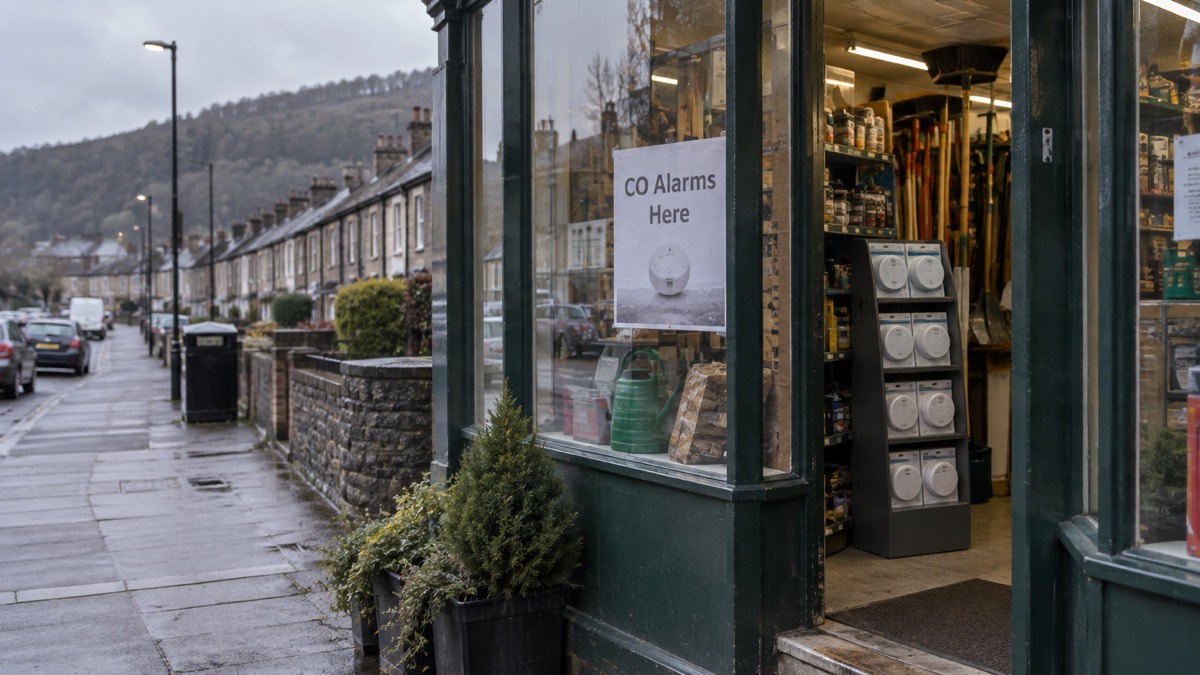
Landlords in Wales will be required to ensure working carbon monoxide detectors are fitted in rented properties where there is any gas appliance, an oil-fired combustion appliance or a solid fuel burning combustion appliance from 1 December 20221. The change comes under the Renting Homes (Wales) Act 2016, through the regulations for Fitness for human habitation (FFHH), and was delayed from 15 July 20221. The Welsh Government announced the new date recently, according to CO-Gas Safety1.
The requirement sits alongside separate rules elsewhere in the UK. In England, the Smoke and Carbon Monoxide Alarm (Amendment) Regulations 2022 came into force on 1 October 2022, requiring alarms in all rented accommodation and new build properties where there is a fixed combustion appliance, excluding gas cookers, and when such an appliance is first installed in any home1. In Scotland, since 1 February 2022 all homes have been required to have an alarm in all rooms where there is a fixed combustion appliance (excluding one used solely for cooking) or a flue, with landlords responsible for supplying it in rented properties1. In Northern Ireland, alarms have been mandatory where a new fossil fuel appliance is installed since a change to The Building Regulations (Northern Ireland) 2012 came into operation on 31 October 2012, and the Private Tenancies Act received Royal Assent on 27 April 20221.
| Nation | Date | Requirement as reported |
|---|---|---|
| Scotland | 1 February 2022 | Alarm in all rooms with a fixed combustion appliance (excluding one used solely for cooking) or a flue; landlords supply in rented homes1 |
| England | 1 October 2022 | Alarms in rented accommodation and new builds with a fixed combustion appliance, excluding gas cookers; also on first installation in any home1 |
| Wales | 1 December 2022 | Working detectors where there is any gas appliance, oil-fired combustion appliance or solid fuel burning combustion appliance1 |
| Northern Ireland | 31 October 2012 | Alarms mandatory where a new fossil fuel appliance is installed1 |
HETAS states that homes in Wales that need smoke or carbon monoxide alarms and do not have one are considered unfit for human habitation4. CO-Gas Safety states that alarms must meet the relevant British Standards (EN 50291-1) and, in Scotland, must have a sealed battery for the duration of their lifespan to prevent tampering or the need for battery changes1. HETAS states that alarms must carry the British Kitemark EN 50291-14.
"From 1 December 2022, landlords in Wales will have to provide carbon monoxide alarms for all rooms in the home where there is a fuel burning appliance"
Why it matters for households
The change affects tenants in rented homes in Wales where a gas, oil-fired or solid fuel appliance is present, from 1 December 2022. CO-Gas Safety states that in rented properties landlords are responsible for supplying the alarm1, and HETAS states that it is the landlord's responsibility to provide a carbon monoxide alarm in rented accommodation4. The National Fire Chiefs Council advises tenants to ensure their landlord is complying, to help keep them safe5.
CO-Gas Safety states that carbon monoxide cannot be seen or smelled, making alarms vital, and that the NHS states severe carbon monoxide poisoning causes around 60 accidental deaths in England and Wales every year1. It adds that exposure at sub-lethal levels causes common, non-specific symptoms such as headaches, nausea and dizziness, and is therefore thought to be under-reported1. HETAS states that poorly installed and maintained combustion appliances fired by coal, wood, oil or gas can emit dangerous and potentially fatal levels of carbon monoxide, and that an alarm does not substitute for having appliances fitted and regularly checked by a competent person, with the alarm installed and located correctly4. CO-Gas Safety states that alarms are no substitute for regular servicing by qualified people and chimney or flue cleaning, and that alarms even to EN 50291 are not health monitors2.
The National Fire Chiefs Council advises checking alarms are working by pushing the test button at least once a month, and states that where a heating appliance does not run off electricity it recommends installing a carbon monoxide alarm, describing it as the only way to detect the gas5. It also advises that where people heat only one room and use it for both living and sleeping, they should be able to hear alarms clearly so they can be alerted while asleep5.
What happens next
The Welsh requirement takes effect on 1 December 20221. No further dates for Wales are given in the published material. CO-Gas Safety directs households seeking help understanding these duties and regulations, or legal advice, to Citizens Advice, which it states provides a free advice service for England, Scotland, Wales and Northern Ireland1.
For background on alarm types and placement, see Do I Need a Carbon Monoxide Alarm?, Wales and Northern Ireland: Alarm Rules and Fire Services and Where to Put a Carbon Monoxide Alarm.
Sources (5)
- Carbon Monoxide Alarm Regulations: Are you ready? | CO-Gas Safety, co-gassafety.co.uk
- Statement of Support for CO Alarms to EN 50291 | CO-Gas Safety, co-gassafety.co.uk
- CO - UK Regulations - FireBlitz, fireblitz.co.uk
- HETAS support the Carbon Monoxide Awareness Week campaign - HETAS, hetas.co.uk
- nfcc.org.uk, nfcc.org.uk
 Do I Need a CO Alarm
 Wales and NI Alarm Rules
 Carbon Monoxide Alarms Guide