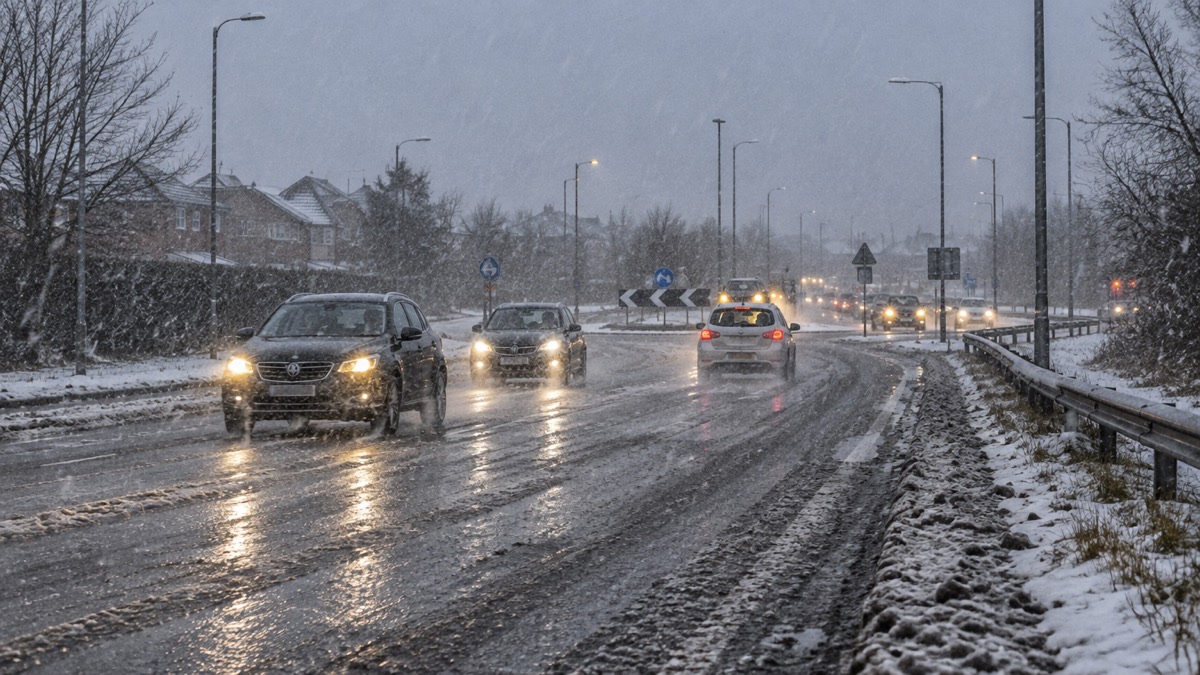
The UK Health Security Agency (UKHSA) issued its first yellow cold weather alert of the year for the North East, the North West, Yorkshire and The Humber, East Midlands and West Midlands, lasting until 21 November, the fuel poverty charity National Energy Action (NEA) said on 17 November 20241. NEA said Arctic air was due to move in that weekend and that the alert means already struggling low-income and vulnerable households will need to spend even more to keep their homes warm1.
The alert covers five regions of England:
| Region |
|---|
| North East |
| North West |
| Yorkshire and The Humber |
| East Midlands |
| West Midlands |
The timing coincides with two energy announcements. Ofgem will announce the level of the energy price cap from January on Friday 22 November, and on Monday Cornwall Insight is expected to give its final forecast for the price cap period from January to the end of March1. The cap is currently set at £1,717 per year for a typical household, which NEA estimates leaves 6 million UK households in fuel poverty1. NEA's Fuel Poverty Awareness Day takes place on Wednesday 27 November1.
Peter Smith, NEA Director of Policy and Advocacy, said:
"With energy bills rising since October and far less support available nationally this winter, millions of people are already rationing their energy use to dangerous levels or getting deeper into debt trying to keep warm. Sadly, even this brief cold spell will be a threat to people's health and worse and will create further extreme hardship for millions of households."
NEA set out the recognised links between cold homes and ill health: when the temperature falls below 16°C, respiratory function is impaired; at 12°C increased strain is placed on the cardiovascular system; and when the temperature reaches 5-8°C, an increased risk of death can be observed at population level1. It said it can take 3 days after a cold spell for deaths from coronary thrombosis to peak, and 12 days for deaths from respiratory conditions, and that it can take up to 40 days for deaths to return to average levels1. Based on ONS data, NEA said there were as many as 1,724 extra deaths in England during the Beast from the East (22 February to 3 March 2018), and that across the UK the number may be as high as 2,000; it estimated up to 570 of the excess deaths were attributable to respiratory diseases, 690 to cardio-vascular diseases, and that 520 vulnerable people may have perished in cold homes during the freezing weather1. It said 37,020 excess winter deaths were predicted across the UK1.
Why it matters for households
The alert covers households in the North East, North West, Yorkshire and The Humber, East Midlands and West Midlands until 21 November1. NEA said the cold spell will add to heating costs for low-income and vulnerable households already rationing energy use or getting into debt to keep warm1. The price cap announcement on 22 November will set the level from January, and the current cap stands at £1,717 per year for a typical household1. NEA's guidance on the health effects of cold homes, cited above, sets out the temperatures at which risks to respiratory and cardiovascular health increase1. The UKHSA has not been reported as issuing advice to households alongside this alert in the material available.
What happens next
Ofgem announces the January energy price cap on Friday 22 November 2024, with Cornwall Insight expected to give its final forecast for the January to March period on Monday 18 November1. National Energy Action's Fuel Poverty Awareness Day takes place on Wednesday 27 November1.
The UKHSA's cold weather alert system is explained in the guide to yellow, amber and red cold-health alerts, with background on the agency and its local teams and what the alert levels mean. Practical health guidance is set out in staying well in cold weather, within the storms and snow hub and the health emergencies hub. For weather warnings themselves, see how to sign up for Met Office alerts and Met Office warnings explained.
 Cold-Health Alerts Explained
 UK Health Security Agency
 Cold-Health Alerts
 Staying Well in Cold Weather