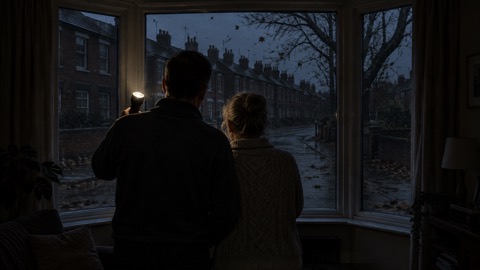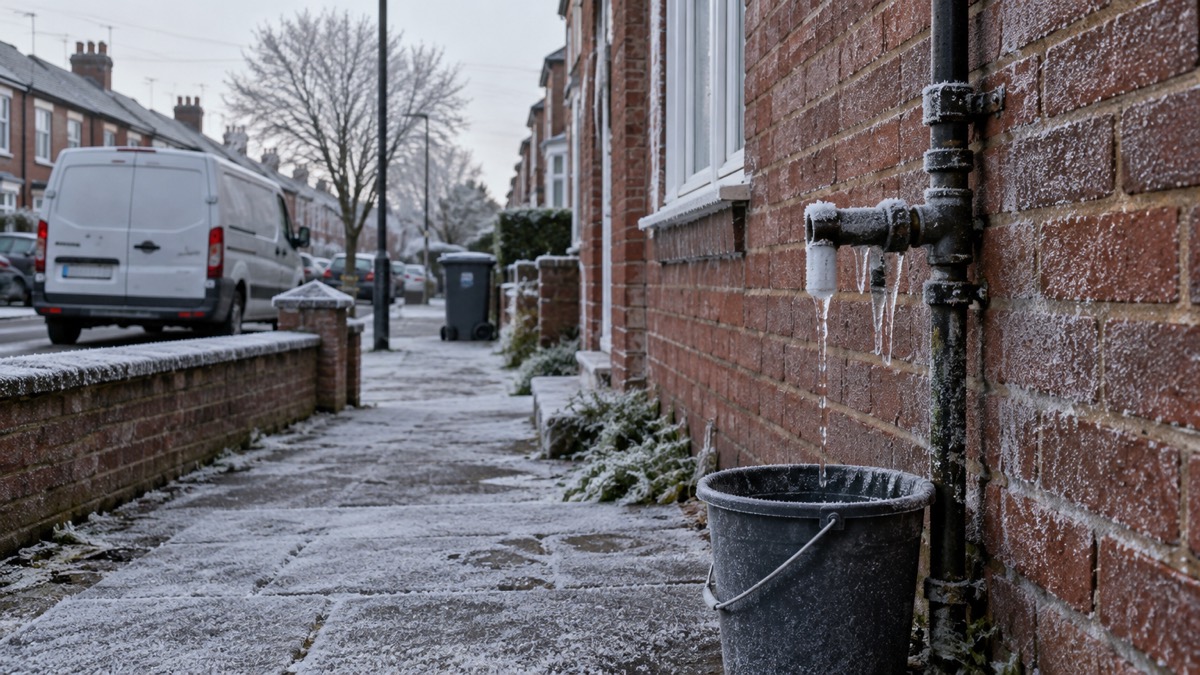
The UK Health Security Agency (UKHSA) issued a level 3 cold weather alert for England on Monday 5 December 2022, warning that severe cold weather and icy conditions would begin at 6pm on Wednesday 7 December1. The alert was issued at 8:47am that day, and NHS England put the probability of severe cold weather and icy conditions at 90 per cent between 6pm on Wednesday 7 December and 9am on Monday 12 December in parts of England1.
The UKHSA's own published record of its cold weather alerts states that "the Met Office and UKHSA are warning that all regions of England will experience severe cold weather starting on the evening of Wednesday 7 December"2. NHS England said the weather "could increase the health risks to vulnerable patients and disrupt the delivery of services"1.
The alert was subsequently extended as freezing conditions persisted. On 9 December, NHS England reported a 99 per cent probability of severe cold weather and icy conditions between 9am on Friday 9 December and 9am on Friday 16 December in parts of England3. The UKHSA record states that the Met Office was warning all regions of England would continue to experience cold weather over the same period2. A further extension, issued on 14 December, put the probability at 99 per cent for severe cold weather, icy conditions and heavy snow between 9am on Wednesday 14 December and midday on Sunday 18 December in parts of England4. On 16 December the alert was extended again, to 11:59pm on Sunday 18 December5.
The UKHSA set out advice for households during the cold period. It said that people with a pre-existing medical condition or aged over 65 should try to heat their home to at least 18°C if they can, that where not all rooms used can be heated the living room should be heated during the day and the bedroom just before sleep, that wearing several layers of thinner clothing keeps a person warmer than one thicker layer, and that plenty of hot food and drinks also helps keep warm2. It also advised keeping bedroom windows shut at night, and said that people going outside should wear shoes with a good grip and that it is helpful to check that others have enough food, drinks and any medicines they need2. For people struggling to afford heating bills, it pointed to Simple Energy Advice for free advice on energy efficiency and national grants2.
The alert level was lowered on 19 December, when NHS England issued a level 1 alert, stating that temperatures and weather conditions were not expected to exceed cold weather alert threshold criteria in any region from 3pm on 19 December until further notice6.
Why it matters for households
A level 3 alert is the "cold weather action" level, and NHS England's notices describe the risk it carries for vulnerable patients and for the delivery of services1. The UKHSA advises that cold weather can have a serious impact on health, particularly for older people and those with pre-existing health conditions, increasing the risks of heart attacks, strokes and chest infections2. The British Red Cross, publishing its own advice for households on 19 December, said bodies need to be kept at a core temperature of 37C to stay healthy and that rooms should be at least 18C, and that winter poses a particular risk for people with respiratory or heart conditions7. Its published tips include wearing plenty of layers, eating well and drinking plenty of hot drinks, moving around regularly, opening curtains in the morning and closing them at sunset, using a draught excluder, avoiding condensation on windows, and using extra bedding, heated blankets, thick pyjamas and hot water bottles at night7. It also lists finding a warm hub and getting support with energy bills from governments, energy companies and civic society7. Its national support line operates Monday to Friday, 10am to 12pm midday, with a voicemail service and callbacks within business hours up to 5pm7.
What happens next
The level 3 alert covering the December cold period ran to 11:59pm on Sunday 18 December5. From 3pm on 19 December, no region was expected to exceed the cold weather alert threshold criteria, under a level 1 alert in place until further notice6. The UKHSA's alert page records that further cold weather alerts were issued and extended through January and February 2023, and that as of Monday 6 March 2023 all regions of England were under a level 3 alert2.
The UKHSA's alert levels and what they mean are set out in the guide to cold-health alerts, with a separate guide to yellow, amber and red cold-health alerts. Advice on staying well in cold weather covers health risks and who is most at risk, and the UKHSA guide explains its alerts, outbreak advice and local teams. Met Office warnings are explained in the guide to weather warnings, and sign-up is covered in how to sign up for Met Office weather alerts.
Sources (7)
- NHS England » Cold weather alert: Level 3, cold weather action, england.nhs.uk
- Cold weather alert issued by UKHSA - GOV.UK, gov.uk
- NHS England » Cold weather alert: level 3, cold weather action, england.nhs.uk
- NHS England » Cold weather alert: level 3, cold weather action, england.nhs.uk
- NHS England » Cold weather alert: level 3, cold weather action, england.nhs.uk
- NHS England » Cold weather alert: Level 1, winter preparedness and action, england.nhs.uk
- British Red Cross advice for staying warm in winter, redcross.org.uk
 UK Health Security Agency
 Cold-Health Alerts