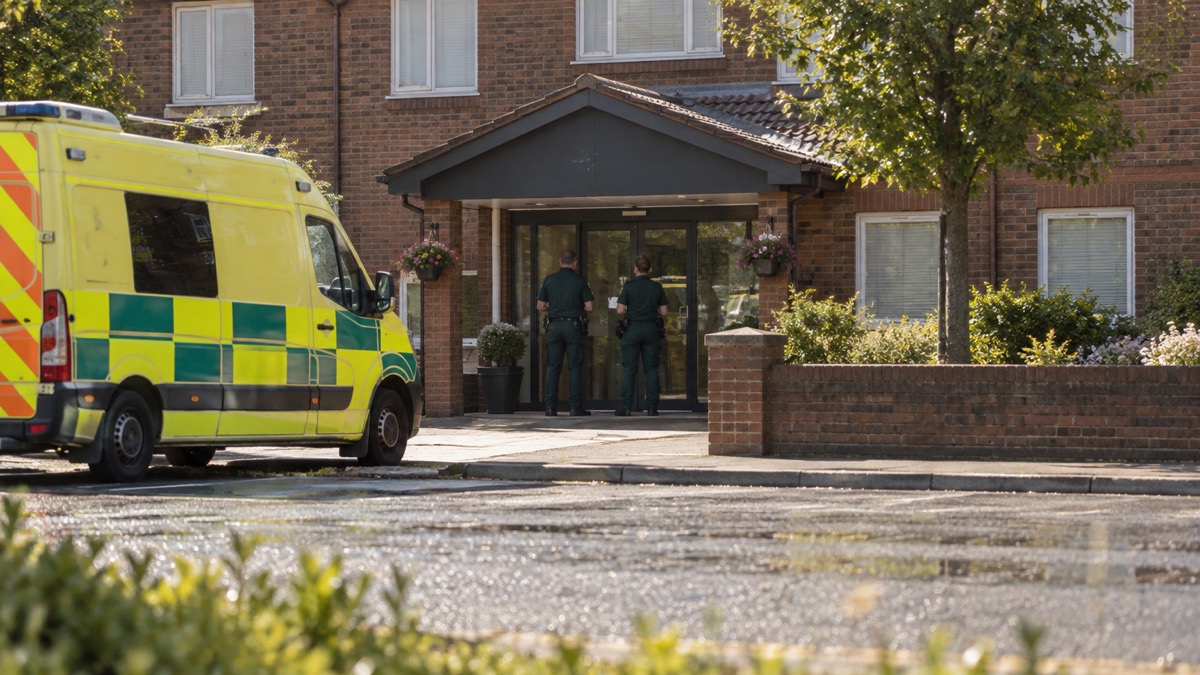
The UK Health Security Agency (UKHSA) estimated that 2,877 people in the country died in the May and June heatwaves, almost double the figure recorded across the whole of summer 20251. The estimate was reported by The Standard on 26 August 2026, which said the agency had made it the previous month1.
A separate study by experts at Imperial College London, the Met Office and the London School of Hygiene and Tropical Medicine estimated there were 2,700 excess deaths in England and Wales over the same May and June heatwaves2. In the capital, that study put the heatwave death toll at 109 in May and 344 in June, and stressed that in both months "warming was strongest in the urban heat island of Greater London"2. The two estimates differ and the sources do not reconcile them.
Office for National Statistics (ONS) analysis cited by The Standard found that across England more than 40,000 extra people died on the hottest days between 1988 and 2025 than would be expected in normal weather1. An estimated 0.36% of all deaths in London over that period were associated with days that saw the most sweltering temperatures, a higher proportion than any other region; the lowest figure was for north-west England, at 0.15%1. The capital also saw the most deaths related to freezing weather, with cold-related mortality ranging from 0.88% of all deaths in London to 0.52% in north-east England1.
The ONS said the London figure might reflect "certain socioeconomic factors that influence vulnerability to heat" that are more prevalent in the city, such as living costs and household overcrowding, which "may limit the capacity to adapt to high temperatures"1. James Tucker of the ONS said:
"Our results show that the gap between heat and cold-related deaths has narrowed in recent years as the proportion of heat-related deaths has increased."
The figures do not include deaths during the capital's most recent heatwaves this year, when temperatures reached a record 38C1. London's ambulance service dealt with 25,000 more calls this summer than last, surpassing the record number set during the peak of the Covid-19 pandemic1. London has experienced five heatwaves this summer so far1.
| Measure | Figure | Period |
|---|---|---|
| UKHSA estimate, May and June heatwaves | 2,877 deaths | 20261 |
| Imperial College London, Met Office and LSHTM estimate, England and Wales | 2,700 excess deaths | May and June 20262 |
| London toll in the same study | 109 in May, 344 in June | 20262 |
| Extra deaths on hottest days, England | More than 40,000 | 1988 to 20251 |
| Share of all deaths linked to hottest days, London | 0.36% | 1988 to 20251 |
| Share of all deaths linked to hottest days, north-west England | 0.15% | 1988 to 20251 |
Why it matters for households
The estimates cover deaths across the country in May and June, with London identified as the region with the highest proportion of heat-related deaths over the longer period1. The ONS links vulnerability in the capital partly to living costs and household overcrowding, which it says may limit the capacity to adapt to high temperatures1. The figures exclude the most recent heatwaves of this year1.
The Met Office said there had been 24 days in 2026 when 30C was exceeded somewhere in the UK, matching the number of 30C-plus days in the summer of 19762. Several water companies, including Affinity Water, Anglian Water and Southern Water, announced hosepipe bans, or Temporary Use Bans, as a third heatwave swept over the UK; using a hosepipe during a ban can lead to a fine of up to £1,000, and reports of breaches go to the water company rather than the police2. The London Fire Brigade issued warnings about barbecuing in open spaces amid drought conditions and about using barbecues at homes2.
The Standard reported that there is not currently a legally binding maximum working temperature, and that a petition has been launched to start one2. The ONS said identifying which groups are most vulnerable can help inform climate adaptation planning and public health interventions1.
What happens next
No further UKHSA publication or timetable for revised figures has been reported. The Standard reported on 16 July 2026 that a drop in temperatures was expected over the weekend, followed by a fourth heatwave of the year the following week, with almost no rain predicted in medium-term forecasts for London2.
The UK Health Security Agency publishes alerts and outbreak advice, and the site's heatwaves and drought section covers why UK summers are getting hotter and drier.
 Why UK Summers Are Hotter
 UK Health Security Agency





