Visits to the NHS website's page on heat exhaustion and heatstroke rose from 34,066 in the week of 2 to 8 June 2023 to 109,096 in the week of 9 to 15 June, NHS England reported on 17 June 2023. It said this averaged one visit every six seconds.
NHS England, which runs the NHS website, said visits to the heat rash and prickly heat advice page almost doubled over the same two weeks, from 34,478 to 67,132. It described the NHS website as the UK's biggest health website, with an estimated 2.6 million visits a day in 2022, over 4,000 pages and information on 990 medical conditions.
The UK Health Security Agency (UKHSA) and the Met Office extended a heat-health alert across England until 9am on Monday 19 June. A yellow alert was in place, pointing to increased health risks for those over the age of 65 or with pre-existing health conditions such as respiratory and cardiovascular diseases.
Duncan Burton, NHS England's Deputy Chief Nursing Officer, said:
"We know there is a high risk of heat exhaustion or heatstroke during hot weather especially among children, older people and those with long-term conditions like diabetes or heart problems."
NHS England said heat exhaustion does not usually need emergency medical help if the person can cool down within 30 minutes, but that heatstroke needs to be treated as an emergency. It listed the signs of heat exhaustion as tiredness, dizziness, feeling sick, and fast breathing or a fast heartbeat. Burton said it is important to cool the person down, hydrate them and see whether their condition improves after 30 minutes, and that if it does not, the NHS would always advise seeking medical attention by calling 111 or 999 in an emergency.
The NHS heat exhaustion page advises drinking plenty of cold drinks, especially when exercising; taking cool baths or showers; wearing light-coloured, loose clothing; sprinkling water over skin or clothes; avoiding the sun between 11am and 3pm; avoiding excess alcohol; and avoiding extreme exercise1. For heat rash, the advice given includes keeping skin cool so you do not sweat and irritate the rash, applying something cold such as a damp cloth or an ice pack wrapped in a tea towel, and tapping or patting the rash instead of scratching it1.
The hot weather came as the NHS in many parts of the country faced high demand for urgent care and significant disruption to routine care, during three days of industrial action by junior doctors. NHS England said health service staff had been asked to prioritise emergency and urgent care over some routine appointments and procedures that week, and urged people who need care to use 999 and A&E for life-threatening emergencies only and NHS 111 online and other services for non-urgent needs1.
Why it matters for households
The alert covered England and ran until 9am on Monday 19 June. The groups the yellow alert names as at increased risk are people over 65 and people with pre-existing conditions such as respiratory and cardiovascular disease; Burton also named children and people with long-term conditions such as diabetes or heart problems. NHS England's advice is that heat exhaustion usually settles if the person is cooled within 30 minutes, and that heatstroke is an emergency. Households needing non-urgent health help during the period were asked by the NHS to use NHS 111 online and other services rather than 999 or A&E. The signs to look for and the cooling steps are set out in the guide on heat exhaustion and heatstroke, with the emergency picture in heatstroke: signs and what to do; the wider subject is covered in the heatwaves and drought hub.
What happens next
The heat-health alert was extended until 9am on Monday 19 June. NHS England said staff had been asked to prioritise emergency and urgent care over some routine appointments and procedures "this week". No further dates beyond 19 June are given in the announcement.
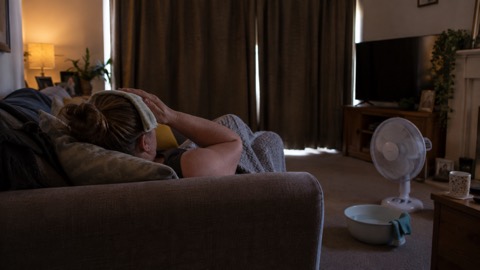 Heat Exhaustion and Heatstroke
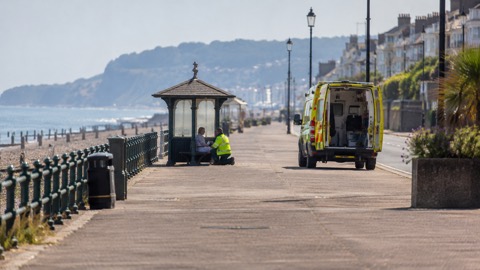 Heatstroke