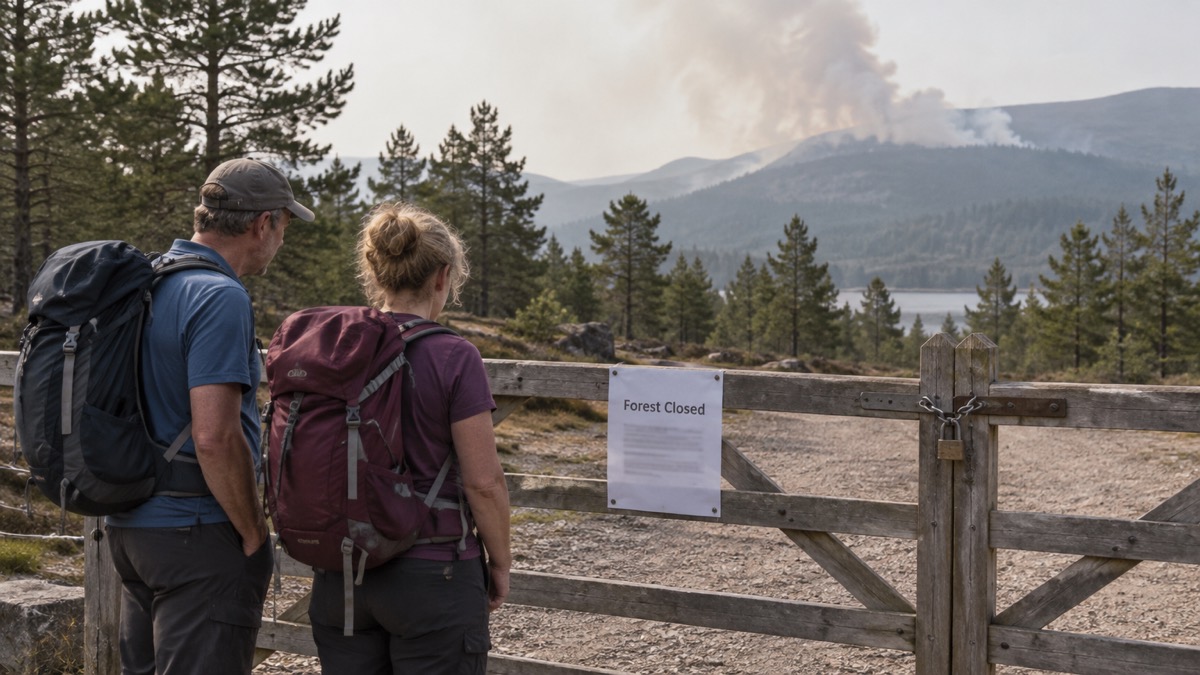
The Scottish Fire and Rescue Service (SFRS) was first alerted to a wildfire near Glenmore in the Cairngorms National Park shortly before 12pm on Wednesday, 15 July 20261. Police Scotland declared a major incident on Friday, 24 July as strengthening winds pushed the fire towards Nethy Bridge2.
On 16 July the SFRS described the fire as affecting an area of approximately six square kilometres, burning through 10-inch heather and small trees and continuing at a steady pace1. By 21 July the service said the wildfire had affected around 10 square kilometres of land across the Glenmore and Abernethy area3. More than 500 firefighters were mobilised over the course of the incident, alongside specialist wildfire appliances, all-terrain vehicles, helicopter water-bombing operations and partner agencies2. On 16 July six fire appliances, a specialist wildfire unit and an additional 4x4 vehicle remained at the scene1; on 25 July there were nine fire appliances at the scene, supported by specialist wildfire resources2.
A number of properties and visitor centres were evacuated as a safety precaution because of their proximity to the fire1. On 24 July, as a precaution, all residents of Nethy Bridge were evacuated and directed to a respite centre at the MacDonald Aviemore Resort, with access roads into Nethy Bridge closed2. Residents in the small area of properties north-west of Dorback Lodge (Lain Thatchan) were also evacuated2. Residents in Tomintoul were advised to keep windows and doors closed as a precaution due to smoke2.
A strict cordon remained in place and there was no public access for vehicles or walkers to Glenmore Forest Park or Loch Morlich3. Closed or restricted areas included paths around Glenmore, Loch Morlich and Badaguish; low-level routes including the Old Logging Way and routes to Cairngorm Mountain, the Northern Corries, Meall A' Bhuachaille, the Green Loch (Lochan Uaine), Strath Nethy and Bynack More; and paths within Abernethy Forest south of Forest Lodge towards Ryvoan Bothy2. Emergency services received reports of people attempting to enter the affected area despite closures, signage and police cordons4.
"The combination of prolonged dry conditions, strengthening winds and challenging terrain has created an extremely complex operational environment."
A Very High Risk wildfire warning remained in place across Central Highlands, Eastern and Southern Scotland until Friday, 24 July3. The SFRS asked the public not to light campfires, use disposable barbecues or have any naked flames near dry vegetation3. Police Scotland asked members of the public not to bypass closures or travel into restricted areas2. For people affected by smoke, the SFRS advised staying indoors where possible, keeping windows and doors closed and avoiding strenuous outdoor activity, with further health advice from Public Health Scotland2.
Why it matters for households
The incident affected residents, businesses and visitors in and around Glenmore, Nethy Bridge, Tomintoul and the Abernethy area, from 15 July onwards1. Households in Nethy Bridge and at Lain Thatchan were asked to leave their homes as a precaution and go to the respite centre at the MacDonald Aviemore Resort2. People in Tomintoul were advised to keep windows and doors closed because of smoke2. Access restrictions covered a wide network of paths and low-level routes in the national park, and the SFRS asked people not to travel to the area or attempt to access Glenmore Forest Park, Loch Morlich or the surrounding area while firefighting operations were ongoing1. The SFRS said anyone asked to evacuate should do so immediately, and that evacuation decisions are taken only where there is genuine risk to public safety1. The Cairngorms National Park Authority said nearby destinations such as Aviemore were still welcoming visitors as usual4. The guide to what to do if you see or are near a wildfire sets out the general position for households, and the heatwaves and drought hub covers the wider risk.
What happens next
The SFRS said firefighters and partner agencies would remain on scene over the coming days to tackle remaining pockets of fire, prevent reignition and monitor conditions, and that strong winds had the potential to reignite hotspots and spread fire into previously unaffected areas4. Highland Council reported that Lettoch Road and Dorback Road at Nethy Bridge had reopened, and that small businesses affected by the fire could apply to the Cairngorms Fire Recovery Fund5. The council also confirmed that warning signage relating to blue-green algae at Loch Morlich had been removed following monitoring and assessment5. Police Scotland said road closures and exclusion zones remained under continued review4.
Sources (5)
- Emergency services continue to respond to a six square kilometres wildfire in Cairngorms National Park | Scottish Fire and Rescue Service, firescotland.gov.uk
- Police Scotland declares major incident as emergency services respond to wildfire near Nethy Bridge | Scottish Fire and Rescue Service, firescotland.gov.uk
- First Minister thanks emergency services at scene of Cairngorms wildfire | Scottish Fire and Rescue Service, firescotland.gov.uk
- Emergency services urge people to stay away as Cairngorms wildfire operations continue into next week | Scottish Fire and Rescue Service, firescotland.gov.uk
- Cairngorms wildfire, Highland Council, highland.gov.uk
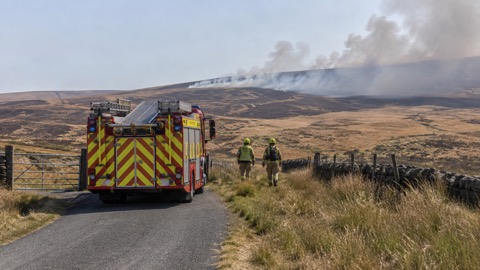 What to Do Near a Wildfire
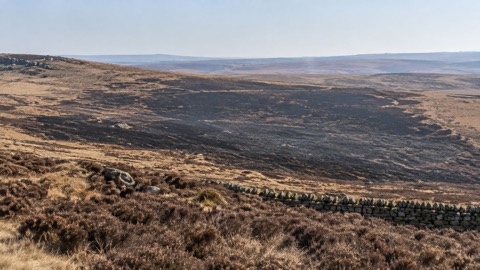 Wildfires and Grass Fires





