OFTEC, a trade association which runs a registration scheme for heating technicians, published a ten-point heating checklist on 8 January 2026 as freezing temperatures gripped the region1. The guidance covers staying warm and safe while keeping fuel bills as low as possible during the cold snap1.
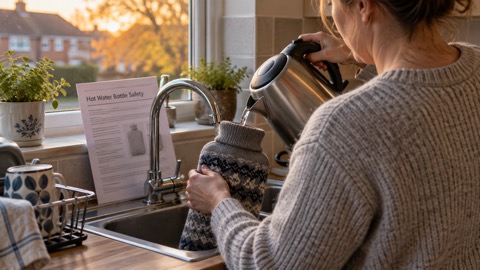
The association cited research, attributed to Uswitch (2025), finding that more than 2 million UK households will not turn their heating on this winter because of financial worries, a 22% rise from last year1. The same research found that almost half of those not turning on their heating (45%) would instead rely on extra layers, hot water bottles and heated blankets1.
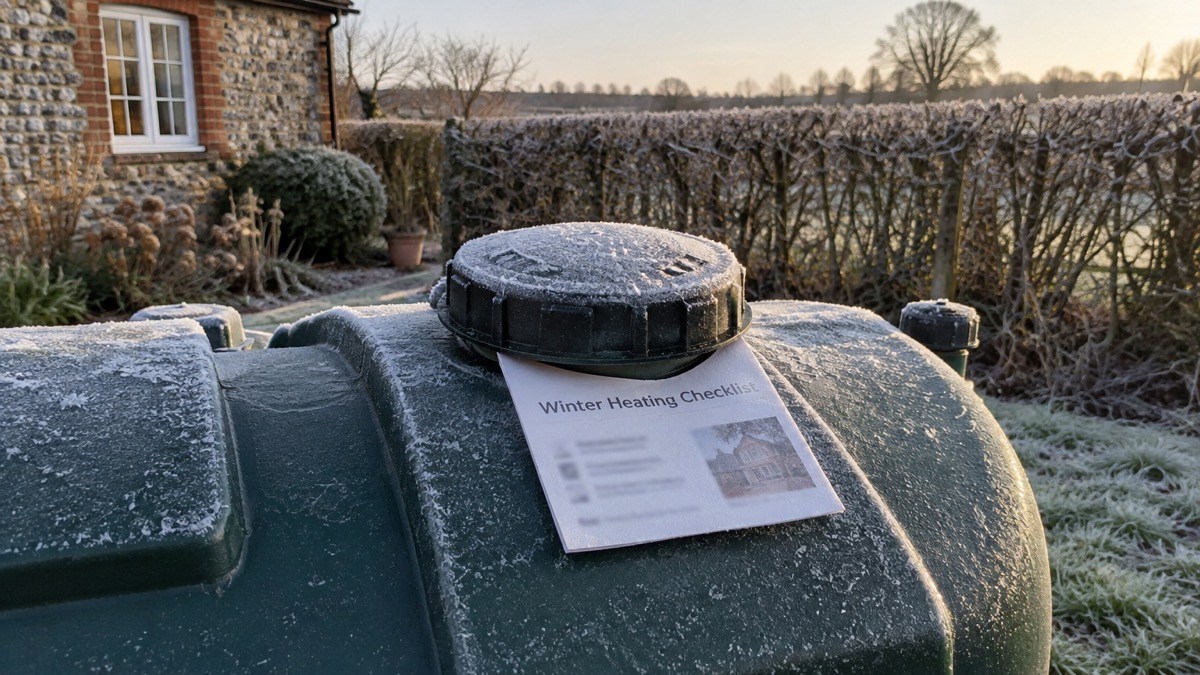
The checklist includes advice on thermostats, timers, radiators, oil tanks and fuel ordering, doors and curtains, and the use of registered technicians1. OFTEC states that turning the heating to maximum does not warm a house faster, and that adjusting timers to avoid heating an empty house is one of the quickest ways to reduce wasted energy during the cold snap1. It advises checking oil tanks regularly for visible signs of cracks or rust, and buying fuel as soon as levels run low, since emergency deliveries are often more expensive than standard orders and demand for oil deliveries rises during a cold snap1. It also advises using an OFTEC registered technician for oil systems or a Gas Safe registered technician for mains gas, and warns that DIY repairs are dangerous, can cost more to fix in the long run and could invalidate insurance or warranty1.
On support, OFTEC states that Cold Weather Payments of £25 are available for those on certain benefits when temperatures are recorded as, or forecast to be, zero degrees Celsius or below for seven consecutive days, and points to the official government postcode checker for eligibility and whether a payment has been triggered in a given area1. It advises households to check on older, unwell or vulnerable people, including that their heating systems are working, their home is warm and they have enough fuel for prolonged cold weather1.
Malcolm Farrow, from OFTEC, said:
"A sudden drop in temperature means your heating system has to work harder, which could lead to problems if it hasn’t been serviced recently."
Why it matters for households
The guidance applies to households heating with oil or mains gas, and to anyone advising neighbours or relatives who are older, unwell or vulnerable, whom OFTEC describes as most at risk from the effects of cold1. OFTEC's advice includes checking heating timers, bleeding radiators with cold spots, keeping furniture and long curtains clear of radiators, closing interior doors and drawing curtains and blinds as soon as it gets dark1. Households on oil are advised to monitor levels carefully because the heating is on for longer in cold weather and more oil may be used than usual1. On costs, OFTEC advises that Cold Weather Payments may be available and can be checked through the government postcode checker1. The Cold Weather Priority Scheme for Heating Oil covers arrangements for oil customers who need priority delivery, and the Before-Winter Checklist for Your Heating and Stove sets out pre-winter checks; both sit within the site's heating and cooking hub. Households can read more on keeping a supply through winter and on the Winter Fuel Payment, Cold Weather Payment and Warm Home Discount.
What happens next
No further dates have been announced. OFTEC states that Cold Weather Payments are triggered when temperatures are recorded as, or forecast to be, zero degrees Celsius or below for seven consecutive days, and that eligibility and any payment in a local area can be checked through the official government postcode checker1.