NHS England reported on 9 September 2023 that visits to the NHS website's heat exhaustion and heatstroke advice page rose sharply during the September heatwave. Figures released by NHS England, which runs the NHS website, showed 32,130 visits to the page from Sunday 3 to Thursday 7 September, compared with 4,928 for the same period the previous week (27 to 31 August), an increase of 552%1. Visits peaked at one every eight seconds on the Thursday1.
The UK Health Security Agency, which provides alerts for the health and social care sector in England, issued an amber heat health alert across most of the country until 9pm on Sunday 10 September, with temperatures up to 33⁰C expected to continue over the weekend1. The warning highlights increased risks for those more vulnerable to heat, including people over the age of 65 or with pre-existing health conditions such as respiratory and cardiovascular diseases1.
Dame Ruth May, Chief Nursing Officer for England, said:
"We know there is a high risk of heat exhaustion or heatstroke during hot weather especially among children, older people and those with long-term conditions like diabetes or heart problems so it is a good idea to check on loved ones, friends and neighbours."
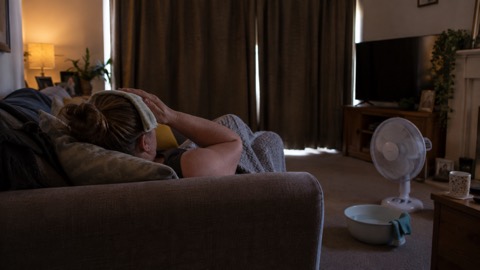
The NHS heat exhaustion page sets out the signs of heat exhaustion, which include tiredness, dizziness, feeling sick, and fast breathing or heartbeat1. NHS England states that heat exhaustion does not usually need emergency medical help if you can cool down within 30 minutes, and that if someone is showing signs of heat exhaustion they need to be cooled down and given fluids; if their condition does not start to improve after 30 minutes, medical attention should be sought by calling 111 or 999 in an emergency, and heatstroke must be treated as an emergency1. The page's advice on preventing heat exhaustion and heatstroke during hot weather is listed below as published1.
| NHS advice on preventing heat exhaustion and heatstroke1 |
|---|
| Drink plenty of cold drinks, especially when exercising. |
| Take cool baths or showers. |
| Wear light-coloured, loose clothing. |
| Sprinkle water over skin or clothes. |
| Avoid the sun between 11am and 3pm. |
| Avoid excess alcohol. |
| Avoid extreme exercise. |
The NHS website is the UK's biggest health website, with an estimated 2.6 million visits a day in 2022, over 4,000 pages and information about 990 medical conditions1.
Why it matters for households
The amber alert applied across most of the country until 9pm on Sunday 10 September, and the warning identifies people over 65 and those with pre-existing respiratory or cardiovascular conditions as at increased risk1. The signs of heat exhaustion listed by the NHS include tiredness, dizziness, feeling sick, and fast breathing or heartbeat, and the guidance draws a clear line at 30 minutes: if someone does not start to improve after that time, NHS England advises calling 111, or 999 in an emergency, and states that heatstroke must be treated as an emergency1. The Chief Nursing Officer for England suggested checking on loved ones, friends and neighbours, and advised keeping the body cool, drinking plenty of fluids, dressing sensibly, using high-factor sun screen and limiting time in the sun to avoid sunburn and prevent skin cancer1. Our guides on heat exhaustion and heatstroke and on heatstroke set out the signs and what to do, within the wider heatwaves and drought and first aid sections.
What happens next
The amber heat health alert was issued until 9pm on Sunday 10 September1. NHS England said temperatures up to 33⁰C were expected to continue over the weekend1. No further alert arrangements after that date have been reported.
 Heat Exhaustion and Heatstroke
 Heatstroke