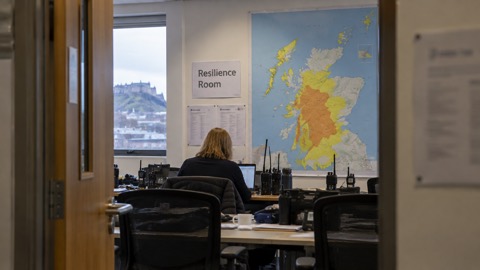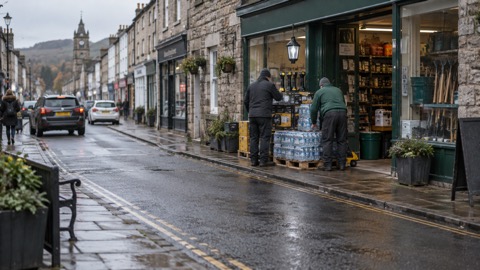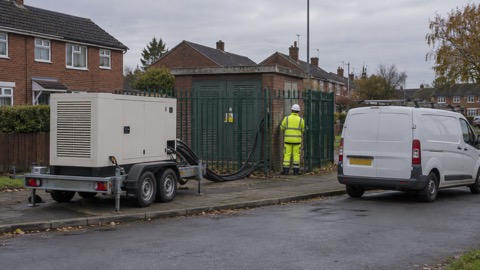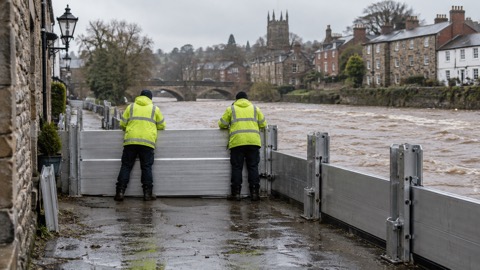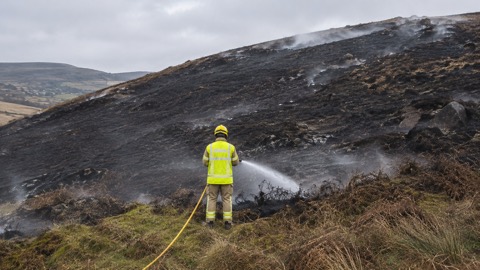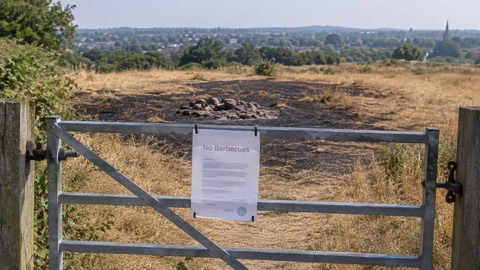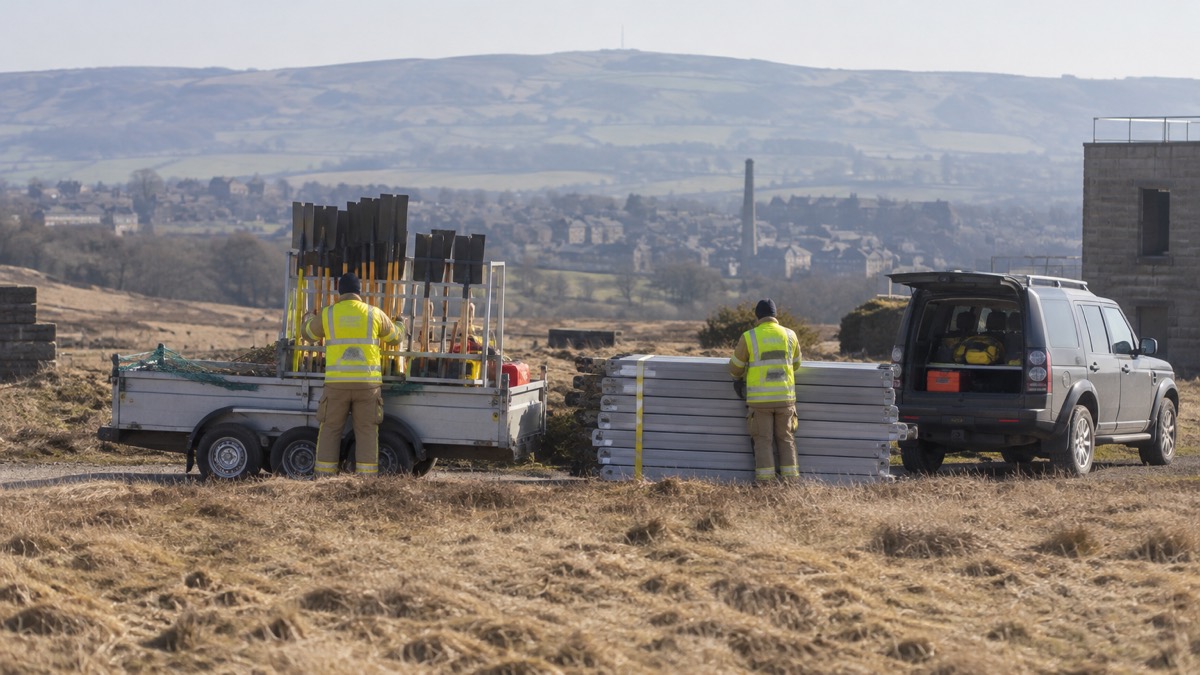
The National Fire Chiefs Council (NFCC) said on Monday 3 February 2025 that the UK is not yet adequately prepared for the growing impact of climate change, as it published a set of recommendations on preparedness, resilience, mitigation and adaptation. The council called on the UK Government and devolved administrations to take urgent action to help protect communities, infrastructure and the economy1.
The statement was approved at Chiefs Council in November, and draws on NFCC research and recommendations on extreme weather events published in August 20241. That research records 983 wildfires in England and Wales during the 2022 heatwave, up from 247 in 2021 and 146 in 2020, which NFCC describes as increases of 315% and 573% respectively. On 18 and 19 July 2022, the hottest days of the year, 84 wildfires were recorded and 14 fire and rescue services declared major incidents, 9 of them linked to difficulties in responding to the increase in operational demand. Fire control rooms in England took almost 13,500 999 calls on 19 July 2022, against a daily average of just over 2,000, a 500% increase1.
Flooding incidents attended by fire and rescue services in England rose by 7% from 2020/21 to 2021/22 and by another 12% from 2021/22 to 2022/23. In the five years ending March 2019 there were 13,854 such incidents on average each year, compared with 16,411 a year in the following five-year period, an increase of 18% and over 2,500 additional incidents a year1.
NFCC cites Met Office projections for 2070: winters up to 4.5°C warmer and 30% wetter than in 1990, and summers up to 6°C warmer and 60% drier, with parts of the south of England projected to reach 40°C and see rainfall increase by up to 25%. Eight of the risks in the UK Government's National Risk Register are climate change related extreme weather events predicted to become more frequent and extreme as global temperatures rise1.
"Fire and rescue services are on the frontline of responding to extreme weather events and we see firefighters, Control officers and other emergency service partners repeatedly going above and beyond to protect their communities. But we are seeing the risks around extreme weather increasing and, without adequate investment and further action from government, our capacity to keep communities safe and protect infrastructure is at risk".
The recommendations cover six areas1:
| Area | What NFCC asks for |
|---|---|
| Forecasting and risk assessment | Accurate data analysis mechanisms for longer-term forecasting and detailed risk and impact assessments at national, regional and local level, to support Community Risk Management Plans and Local Resilience Forum emergency plans |
| Funding | Long-term sustainable capital investment for fire and rescue services to maintain mitigation and adaptation measures, with consideration of national oversight to keep progress consistent across the UK |
| Cross-government working | Climate change policy integrated across government departments, with a stronger interface between national government, devolved administrations, local authorities and partner agencies |
| Legislation and framework | A review of the Civil Contingencies Act 2004 and/or the UK Government Resilience Framework, to give Local Resilience Forum resilience activities a stronger foundation and appropriate resource |
| Built environment | Adaptation of buildings to withstand climate change impacts using methods that do not compromise fire safety, with updated building safety legislation and guidance and a strengthened product testing regime |
| Refurbishment | Disapplication of non-worsening provisions for means of escape from fire, as recommended by the Independent Review of Building Regulations and Fire Safety |
Ben Brook, Chief Fire Officer for Warwickshire and NFCC Lead on Environment and Climate Change, said fire and rescue services form part of local resilience forums and work with partners to plan for and respond to extreme weather, but that services and forums lack access to accurate data analysis mechanisms and the expertise for predictive modelling. He said local resilience forums are under-resourced and lack clarity on their climate change resilience role1.
Why it matters for households
The statement concerns the agencies that plan for and respond to floods, wildfires, storms, heatwaves, snow and drought in the UK. Fire and rescue services sit on Local Resilience Forums, the multi-agency partnerships that include emergency services, local authorities, the NHS and the Environment Agency as Category 1 responders under the Civil Contingencies Act 2004. NFCC reports 38 forums in England and four in Wales, three Regional Resilience Partnerships in Scotland and Emergency Preparedness Groups in Northern Ireland1. Its recommendations on forecasting, funding and the resilience framework bear on how those plans are drawn up, and its proposal to review the Act and the UK Government Resilience Framework would affect the duties and resources behind them. No change to household advice or to any warning has been announced with the statement.
What happens next
The position statement has been published and its recommendations put to the UK Government and devolved administrations. No response from any government to the statement has been reported. NFCC notes that at Cop29 in November 2024 the Prime Minister announced new climate goals, including reducing emissions by 81% on 1990 levels by 2035, and that the Climate Change Act 2008 commits the UK to net zero by 20501.