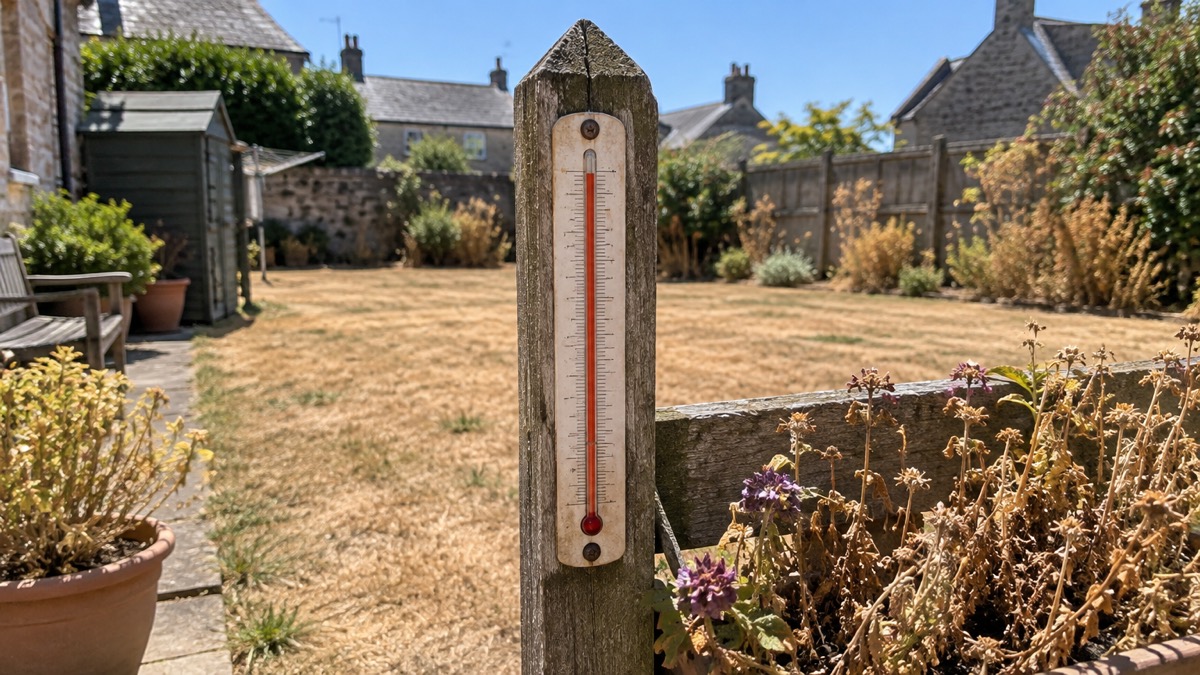
The Met Office has confirmed that on 19 July 2022, for the first time on record, temperatures in the UK exceeded 40°C1. A new record maximum temperature of 40.3ºC was recorded at Coningsby, Lincolnshire, exceeding the previous record of 38.7ºC, recorded at Cambridge University Botanic Garden on 25 July 2019, by 1.6ºC1.
New national temperature records were also set for Wales and Scotland, along with a new record high daily minimum temperature for Wales of 24.5ºC at Aberporth1. The previous UK temperature record was met or exceeded at 46 stations, from Kent to North Yorkshire and from Suffolk to Warwickshire1.
The Met Office's published table of highest daily maximum temperature records by country is as follows1:
| Country | Temperature (C) | Date | Location |
|---|---|---|---|
| England | 40.3 | 19 July 2022 | Conningsby, Lincolnshire |
| Wales | 37.1 | 18 July 2022 | Hawarden Airport, Flintshire |
| Scotland | 34.8 | 19 July 2022 | Charterhall, Scottish Borders |
| Northern Ireland | 31.3 | 21 July 2021 | Castlederg, County Tyrone |
The Met Office describes the UK as experiencing occasional heatwaves, but of a lesser frequency and intensity to those seen elsewhere globally, and notes that blocking anticyclones can bring long spells of warm weather and create heatwave conditions1.
"Hot weather places a strain on the heart and lungs. For that reason, the majority of serious illness and deaths caused by heat are respiratory and cardiovascular."
Why it matters for households
The Met Office states that older people, those with pre-existing health conditions and young children are particularly at risk from heat, and that overexposure to the sun carries effects ranging from mild sunburn to skin cancer, with the UV index able to be high even when it is not hot1. It adds that hot weather can place strains on water and energy utilities, road and rail transport and the health and fire services1.
The Met Office records that in 2006 heat damage to road surfaces was reported from Cornwall to Cumbria, with the cost of repairs estimated at £3.6m in Oxfordshire alone, and that speed restrictions were introduced on many rail lines because of the risk of buckling, with the west coast main line particularly affected by delays and cancellations1. In 1990 fire services tackled heath and farmland fires that broke out after dry conditions prevailing since March, and in 1976 hot, dry weather affected domestic water supplies, leading to widespread water rationing1.
Leading health organisations across the UK, as reported by the Met Office, recommend keeping the house cool by closing blinds or curtains, keeping the sleeping area well ventilated at night, taking cool showers or baths, avoiding too much exercise when very hot, drinking plenty of fluids but not alcohol, and eating as normal1. They also recommend checking on vulnerable neighbours, seeking shade between 11am and 3pm, wearing lightweight light-coloured clothing, high factor sunscreen and a wide-brimmed hat, and reapplying sun cream at regular intervals1. The Met Office states that children or animals should never be left in parked cars, as strong sunshine can make car interiors very hot even on cool days1.
The Met Office notes that July is on average the warmest month in the UK and June the sunniest, with the highest temperatures tending to be seen around London and the south-east and the coolest temperatures throughout Scotland and northern England1. Background on earlier events is set out in the guide to past UK droughts and heatwaves, and the wider context in why UK summers are getting hotter and drier.
What happens next
No further dates or steps have been reported.
Sources (1)
- Hot weather and its impacts - Met Office, weather.metoffice.gov.uk
 Past UK Droughts and Heatwaves
 Why UK Summers Are Hotter