
East Midlands Ambulance Service (EMAS) issued advice on 26 June 2024 to residents and holidaymakers in the region on staying healthy in hot weather, after the Met Office issued a Yellow alert earlier that week as the East Midlands began to experience hotter weather1. EMAS said the heat was likely to affect the most vulnerable people, who are more susceptible to heat-related illnesses1.
EMAS named three groups as most vulnerable: older people aged 75 and up, babies and very young children, and people on multiple medications or with chronic illnesses1. It added that as temperatures continue to increase, even healthy people not considered to be in a vulnerable group can start to become affected by the heat, with conditions such as heat exhaustion and heat stroke1.
On heat exhaustion, EMAS said it can often be managed by cooling down: moving to the shade, removing all unnecessary clothing, drinking cold fluids, and cooling the skin with cool water and a fan1. If not managed, EMAS said heat exhaustion can progress to heatstroke, which can be a medical emergency1. For signs of heatstroke such as confusion, headache, or hot or dry skin, EMAS advised acting fast: moving the person to a cooler place, calling 999 if they remain unwell after 30 minutes of resting in a cool place, being cooled and drinking fluids, and putting the person in the recovery position if they lose consciousness while waiting for help1.
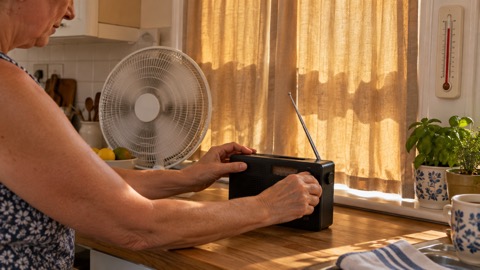
EMAS asked people to take responsibility for keeping themselves well during the hot weather so that ambulance crews can attend the most seriously ill people in the region1. Its advice was to drink plenty of water to keep hydrated, stay in the shade or a cool part of the house, take extra precautions to keep babies and young children cool and hydrated, and check on elderly or vulnerable neighbours1. It also advised drinking small amounts of water often, wearing light, loose clothing, and keeping the home cool by closing curtains and blinds, noting that prolonged heat can exacerbate existing medical conditions1. On water activities, EMAS said swimming in open water can be dangerous due to the risk of cold-water shock, and that it is safer to take part in supervised swim sessions or swim at beaches with lifeguards1. It advised packing a first aid kit for travel, using sunscreen and wearing a hat and sunglasses1.
"The NHS and ambulance service continues to be very busy and our staff and volunteers are working tremendously hard to respond to people who need emergency medical help."
Dr Atkinson also said that if people are unwell it is crucial to choose the right service for their healthcare needs, naming self-care, pharmacy, NHS 111, a GP, or an Urgent Treatment Centre as able to assist with urgent but non-life-threatening conditions1.
Why it matters for households
The alert applied to the East Midlands and was issued in the week before 26 June 20241. EMAS set out who is most at risk and what signs to watch for in heat exhaustion and heatstroke, and asked households to check on elderly or vulnerable neighbours1. Its stated reason for asking people to keep themselves well was to protect ambulance crews so they can attend the most seriously ill people in the region1. The service's advice on which NHS route to use for non-life-threatening conditions is intended to keep emergency capacity for those with the greatest clinical need1. The Heat-Health Alerts: Yellow, Amber and Red Explained page sets out what each alert level means, and Who Is Most At Risk in Hot Weather covers vulnerability in more detail. The Adverse Weather and Health Plan: How Services Respond page explains how services react to alerts, and households can read about how to sign up for heat-health alerts.
What happens next
No further dates or steps were given in the EMAS announcement1.
 Heat-Health Alerts Explained
 Who Is at Risk in Hot Weather





