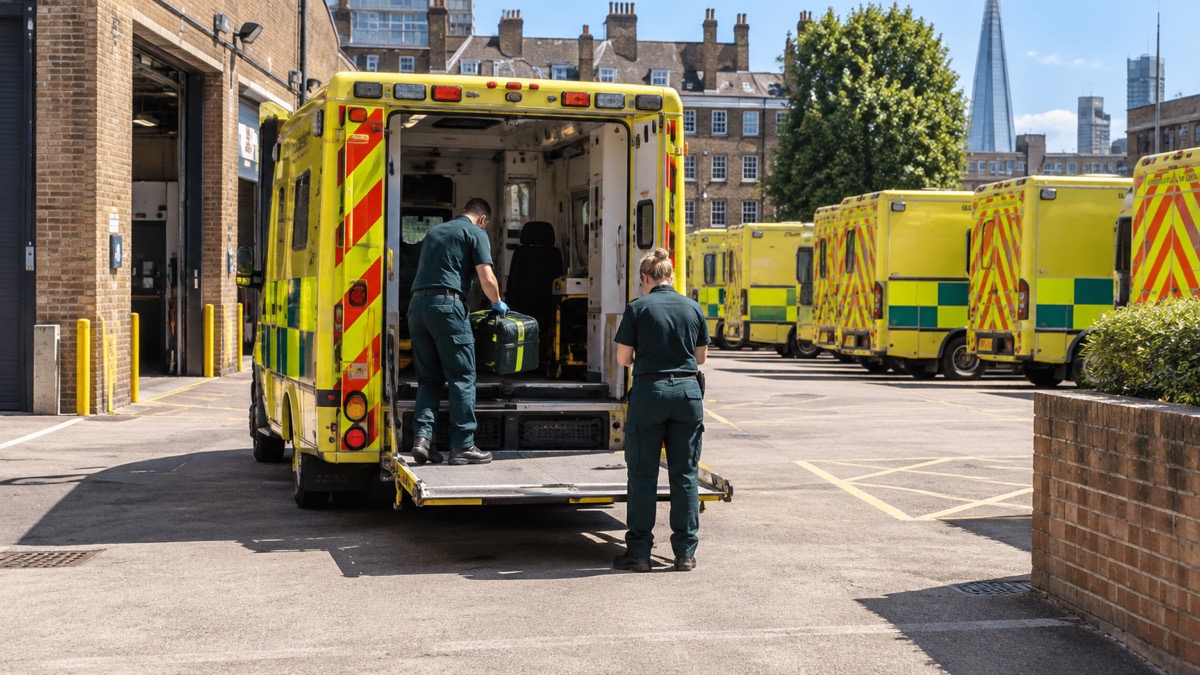
London Ambulance Service (LAS) moved to its highest level of response on 13 June 2023, saying it was maximising the number of staff on the road and in its control rooms. The service said a combination of warm weather, thunderstorms, a high pollen count and other air pollution had led to growing numbers of people fainting or suffering breathing difficulties and dehydration1.
On the Monday before the announcement, LAS received 7,751 999 calls, which it said was the highest number since New Year's Eve 2021, when London experienced a wave of Covid. The number of patients with difficulty breathing more than doubled compared with the Monday of the previous week1. LAS said it was working with NHS partners and hospitals to ensure ambulances were released quickly from hospitals to reach more people in the community1.
Dr Fenella Wrigley, LAS Chief Medical Officer, said the service was facing demand not seen since the Christmas 2021/22 peak of the pandemic, and apologised that some people were waiting longer for help1.
"Londoners can help us by only calling 999 in a life-threatening emergency and consider using their GP and NHS 111 or NHS 111 online"
LAS said older people, the very young and people with pre-existing conditions are more at risk in hot weather, and asked Londoners to look out for neighbours, family or friends who may need help and to make sure they are able to keep cool during the heatwave1. Its advice included avoiding prolonged exposure to direct sunlight, especially between 11am and 3pm when UV rays are strongest, sticking to shade and wearing sun cream; drinking plenty of water and carrying a bottle when heading out; closing curtains on rooms that face the sun; and, on trains or the tube, carrying water and stepping off at the next station if feeling unwell1.
Why it matters for households
The change affects households across London, where the ambulance service said demand had risen sharply and some patients were waiting longer for help. The service attributed part of the pressure to heat combined with thunderstorms, pollen and air pollution, conditions it said were set to continue for several days1. Its advice to the public was to reserve 999 for life-threatening emergencies and to consider a GP, NHS 111 or NHS 111 online for other needs1. The service also asked people to check on older people, the very young and those with pre-existing conditions, groups it said are more at risk in hot weather1. The background to air quality and pollen in hot weather is set out in the guide to air pollution, ozone and hay fever in hot weather, and the wider arrangements for heat and adverse weather are covered in the guide to the Adverse Weather and Health Plan. General heat guidance sits in the heatwaves and drought section.
What happens next
LAS said weather conditions were expected to continue for several days, and that it would keep staffing at its highest level of response during that period1. No end date for the heightened response has been reported.
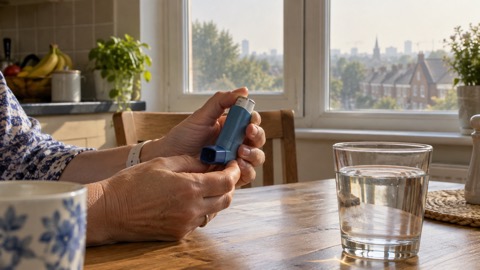 Air Pollution and Hay Fever
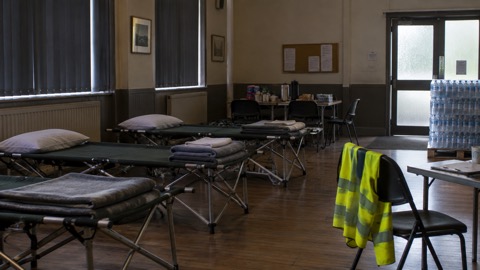 Adverse Weather and Health Plan