On 22 May 2024 the Deputy Prime Minister launched a new Government resilience website, www.gov.uk/prepare, to increase public preparedness. The launch is recorded in the West Mercia Local Resilience Forum Community Risk Register (V4), which states: "On 22 May 2024, the Deputy Prime Minister launched a new Government resilience website: www.gov.uk/prepare."1
The register describes the site as hosting a new Volunteering Directory. It does not give further detail on the site's contents, the number of pages or sections, or the cost of building it. No other figures on the launch are given in the register.1
The register is published by West Mercia Local Resilience Forum, a partnership covering Shropshire, Telford & Wrekin, Herefordshire and Worcestershire. It says the forum includes the emergency services, local authorities, health agencies and the Environment Agency, along with voluntary and community organisations, utility companies and Central Government. The register states it is published "in accordance with the requirements of the Civil Contingencies Act".1
"On 22 May 2024, the Deputy Prime Minister launched a new Government resilience website: www.gov.uk/prepare."
The register sets out the forum's stated aims: to ensure an appropriate level of preparedness for an effective multi-agency response to emergency incidents with a significant impact on communities, and to get partners working together so that the best possible preparations and plans are in place. It says these are regularly tested.1
Why it matters for households
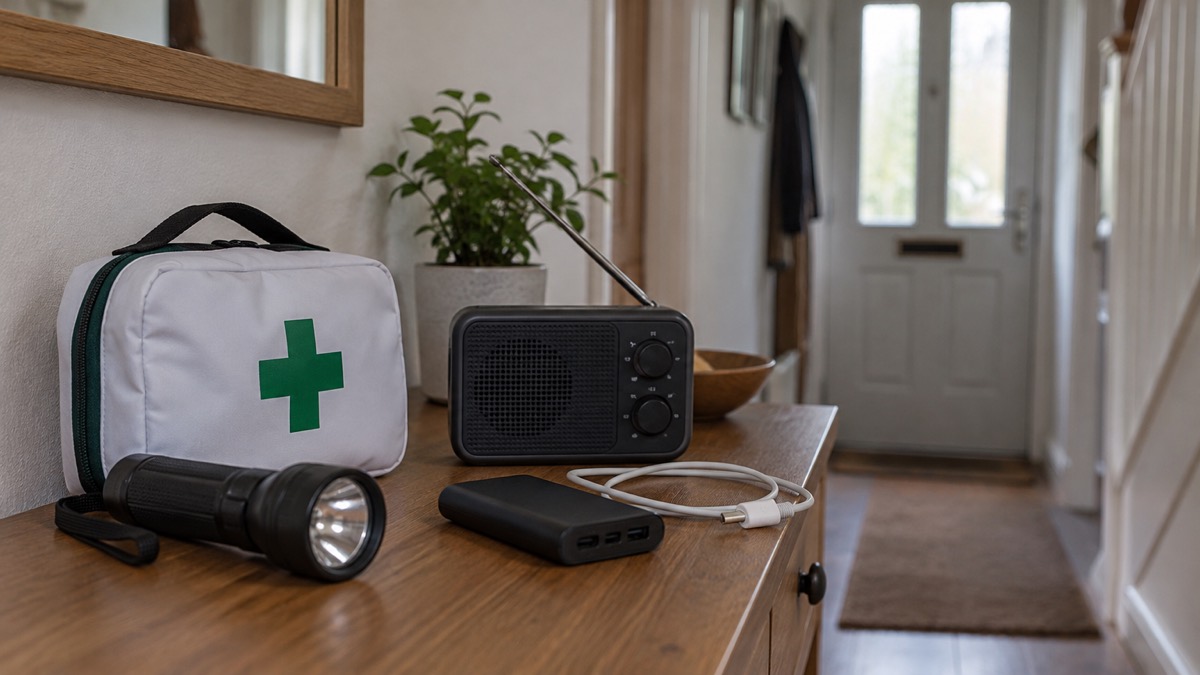
The register presents the website as a route for households, communities and businesses to find up to date information and become more prepared and resilient. It says the document aims to localise some of the items raised in the National Risk Register.1 The register also sets out practical information for households, including that Emergency Alerts is a UK government service that will warn you if there's a danger to life nearby, and that during a power cut households can call 105, which is free and puts callers through to a local network operator for help and advice.1 It advises that to report a gas or carbon monoxide emergency, or if a pipeline is struck, call 0800 111 999, 24 hours a day.1
The register states that it does not mean listed risks will definitely occur locally, only that there is a possibility of them happening and that organisations have taken steps to ensure preparedness and reduce the impact on communities.1
What happens next
No further dated steps following the launch are given in the register.1 The register itself is dated January 2025 and is version 4.1
The government's wider approach to preparedness is set out in The UK Government Resilience Framework and Action Plan, and the role of local partnerships is covered in Local Resilience Forums: What They Do and How to Find Yours. The register notes that plans are regularly tested, which is described in Emergency Exercises: How Government Tests Its Plans.
Sources (1)
- Community Risk Register, wmas.nhs.uk