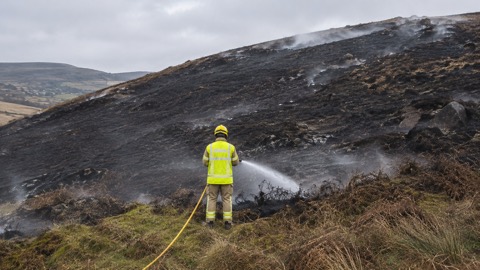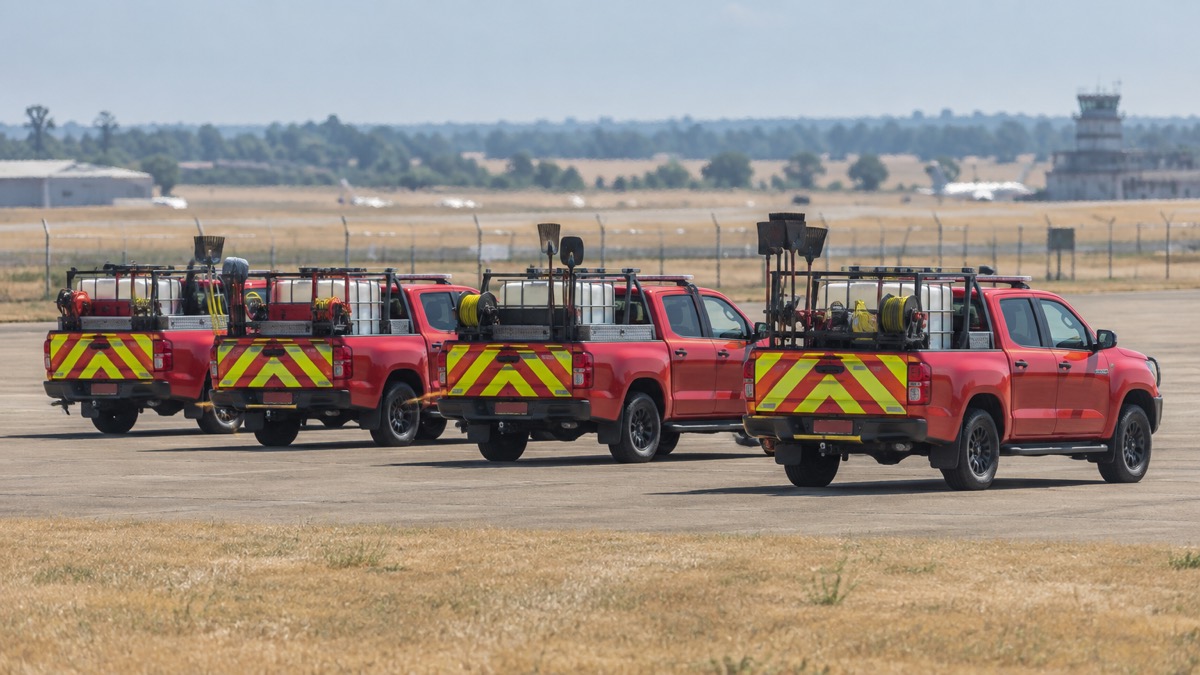
The Government announced a new specialist wildfire capability earlier this summer, including strategically located wildfire response teams and a wider £97 million investment in National Resilience assets, according to the National Fire Chiefs Council1. The NFCC set out the announcement on 28 July 2026 in a warning that wildfire risk remains elevated across the UK1.
National Resilience data show fire and rescue services in England and Wales responded to 706 wildfires so far in 2026, with 208 incidents recorded between 16 and 28 July alone1. Eight live wildfire incidents were being monitored through national reporting systems at the time of publication1. The figures do not account for wildfires across the rest of the UK, including the major wildfire in the Cairngorms National Park in Scotland1. By the equivalent point in 2025, from 1 January to 28 July, services had responded to 788 wildfire incidents, so the 2026 total remains below last year's1.
The NFCC says continued dry conditions, warmer temperatures and harvesting activity in many rural areas are creating conditions in which fires can start and spread rapidly, with temperatures forecast to rise again1. It warns that climate change is driving a long-term increase in wildfire risk, and that continued investment will be needed for specialist wildfire equipment, trained personnel, national resilience assets and access to aerial firefighting capability1. Fire chiefs welcomed the Government's announcement, describing it as an important step in strengthening the UK's ability to respond to increasingly complex wildfire incidents1.
Phil Garrigan, Chair of the National Fire Chiefs Council, said:
"But prevention remains our strongest defence. Most wildfires are avoidable, and we're asking everyone to take extra care during the hot weather to help keep their communities safe."
Under the NFCC's Operational Guidance definition, a wildfire meets one or more of the following criteria1:
| Criterion | Threshold |
|---|---|
| Geographical area | At least one hectare (10,000 square metres) |
| Sustained flame length | More than 1.5 metres |
| Committed resources | At least four fire and rescue service appliances or resources |
| Duration of commitment | At least six hours |
| Threat | Serious threat to life, environment, property and infrastructure |
The definition used in Scotland classifies wildfires as large, uncontrolled outdoor fires exceeding 1,000 square metres of burned area on appropriate land types1.
Why it matters for households
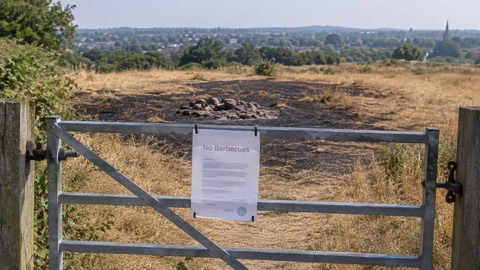
The NFCC says many wildfires are caused by everyday human activity1. Its public safety advice is to avoid using disposable barbecues in open countryside, parks and moorland areas; not to discard cigarettes, matches or glass bottles, as they can ignite dry vegetation and crops; and to follow local authority guidance on fire risks and restrictions1. It advises reporting any signs of fire immediately by calling 999 and asking for the Fire and Rescue Service, and contacting the Police on 101, or Crimestoppers anonymously on 0800 555 111, over suspicious behaviour or someone intentionally starting a fire1. The council says wildfire risk remains elevated across the UK as services prepare for a potential fourth heatwave of the year1. The wildfires and grass fires guide sets out risk and prevention for households, and the heatwaves and drought hub covers wider hot weather preparedness.
What happens next
The NFCC says continued investment will be needed to ensure fire and rescue services can meet future demand, including ongoing support for specialist wildfire equipment, trained personnel, national resilience assets and access to aerial firefighting capability during significant incidents1. No timetable for the rollout of the wildfire response teams, and no locations for them, have been reported1. The UK Government Resilience Framework and Action Plan page covers how national resilience work is organised, and the Be Ready campaign covers public preparedness messaging.
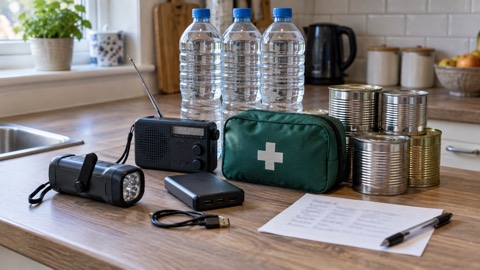 Be Ready Campaign
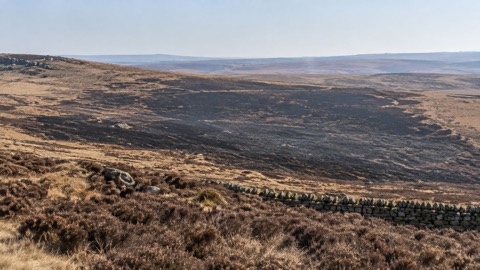 Wildfires and Grass Fires
 UK Resilience Framework