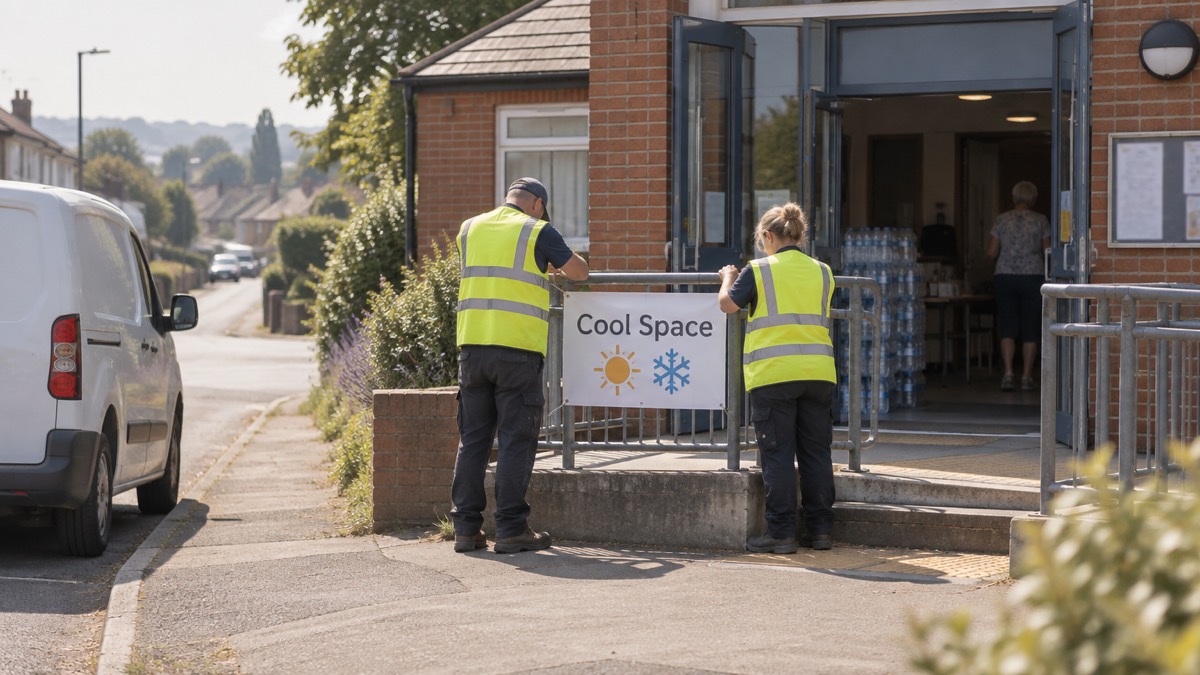
The charity Contact published guidance on 10 July 2025 for parents, carers and schools on keeping disabled children safe during hot weather, as forecasters anticipated temperatures of up to 31 °C over the following days1. The charity said disabled children may struggle with the heat and with keeping hydrated because of medical conditions, medications or sensory issues1.
Contact set out measures it said government guidance for England recommends schools and early years settings implement. These include pre-cooling buildings by opening windows overnight or early in the morning and closing them when outside temperatures rise, shading windows with blinds or curtains while maintaining ventilation, and turning off electrical equipment and lights not in use to reduce internal heat1. The guidance also covers the use of mechanical, oscillating fans when indoor temperature is below 35 °C, but says to avoid them if hotter, as fans may worsen matters; limiting outdoor activities, in particular when temperatures exceed 30 °C; relaxing uniform rules to allow loose, light-coloured clothing and the removal of blazers and jumpers; wide-brim hats and broad-spectrum sunscreen (SPF 30+, UVA-rated) reapplied every two hours and after swimming or towelling; and plenty of cool drinking water, with more fluid intake than usual encouraged1.
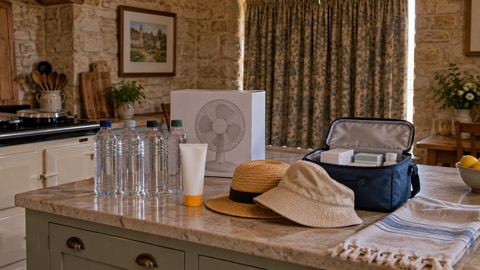
Contact added that schools should adjust timings to move lessons or breaks to cooler parts of the day, use cooler classrooms rearranged to avoid direct sun exposure, and increase cross-ventilation by opening doors and windows where it is safe to do so1. For families, it suggested cooling sprays or cold flannels at home, keeping rooms shaded and well-ventilated, using frozen water bottles in front of fans, and encouraging fluid intake through fun cups, syringes, straws or water-rich foods1. It said families of children with an Education, Health and Care Plan (EHCP) could request a temporary or permanent reasonable adjustment, citing the government guidance, where a child suffers in the heat because of medication, a medical condition or sensory difficulties1.
"Schools have a legal obligation and duty of care to ensure that all pupils, including those with complex needs or EHCPs, are kept safe and supported, this includes during hot weather."
Contact advised watching for signs of heat stress, exhaustion and heatstroke, and responding immediately by moving vulnerable children to cooler areas, sponge spraying, applying cold packs to the neck or armpits, and calling NHS 111 or 999 if needed1. It also pointed to Weather-Health Alerts run by the UK Health Security Agency and the Met Office1.
| Setting | Measures set out in the guidance |
|---|---|
| Schools and early years settings | Pre-cool buildings overnight or early morning; shade windows; turn off unused electrical equipment and lights; fans only below 35 °C indoors; limit outdoor activities above 30 °C; relax uniform rules; hats and SPF 30+ sunscreen; cool drinking water; adjust timings; use cooler classrooms; increase cross-ventilation where safe1 |
| Families | Cooling sprays or cold flannels; shaded, well-ventilated rooms; frozen water bottles in front of fans; fluids via cups, syringes, straws or water-rich foods; request reasonable adjustments where an EHCP applies1 |
Why it matters for households
The guidance is aimed at households with disabled children and at schools and early years settings in England, ahead of forecast temperatures of up to 31 °C in the following days1. Contact said disabled children may be less able to cope with heat and to keep hydrated because of medical conditions, medications or sensory issues, which is why it says parents, carers and schools should take extra care1. The measures it lists cover the school day and the home, from uniform rules and outdoor activity limits to room shading and fluid intake1. Contact advises watching for signs of heat stress, exhaustion and heatstroke and seeking NHS 111 or 999 help if needed1. Households can sign up to Weather-Health Alerts through the UK Health Security Agency and the Met Office, according to Contact1. The charity's guidance on who is most at risk and on preparing for hot weather is set out in the site's pages on who is most at risk in hot weather and the hot weather preparation checklist, within the wider heatwaves and drought section and the extra help section.
What happens next
No further dates have been reported. Contact's guidance refers to temperatures expected over the next few days from 10 July 2025 and to Weather-Health Alerts issued by the UK Health Security Agency and the Met Office1.
 Who Is at Risk in Hot Weather
 Hot Weather Preparation





