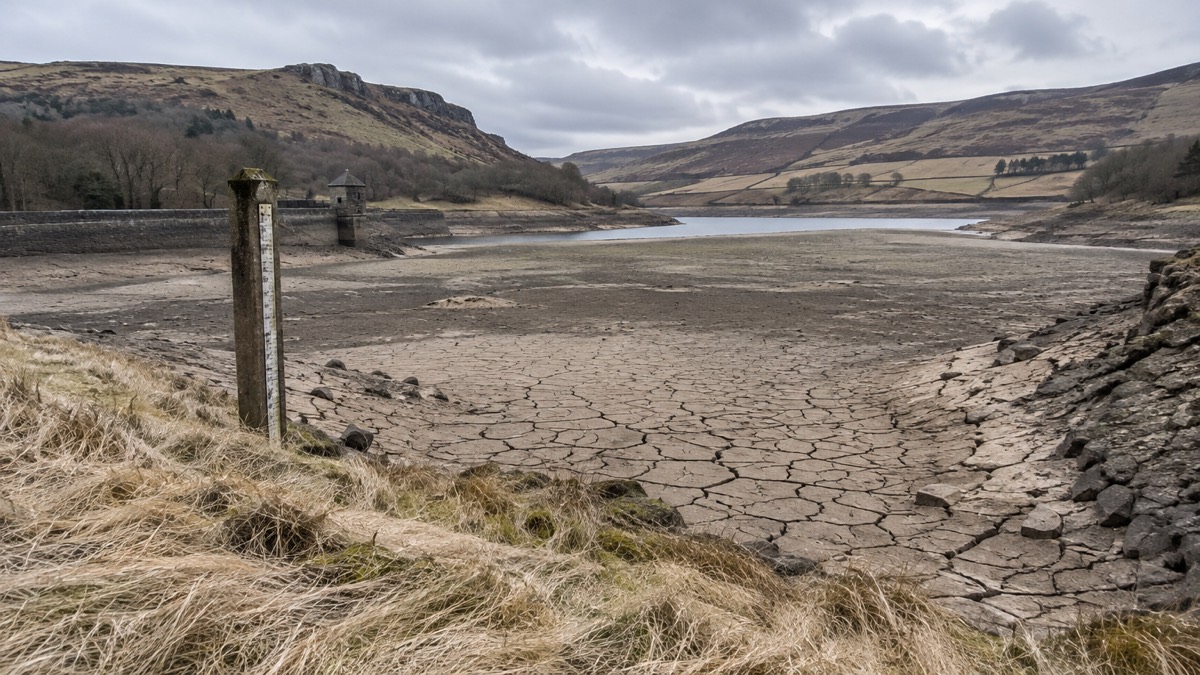
The Environment Agency published its drought prospects for spring 2026 on 14 November 2025, setting out current drought status by area and projected status for March 2026 under three rainfall scenarios1. The publication applies to England1.
The agency has four stages of drought management: prolonged dry weather, drought, severe drought and recovery1. As of 14 November 2025, the areas in drought and prolonged dry weather cover most of England except the north-west, the south-west and a small area of the south-east1. The agency states that recovery from drought and returning to normal conditions can take time, and that this recovery is fragile, with the possibility of the water resources situation moving back into drought status1.
The projections cover three scenarios, measured against long-term average (LTA) rainfall, each with a stated chance of occurring1:
| Scenario | Chance of occurring | Projected position by March 2026 |
|---|---|---|
| 100% LTA rainfall or more | 28% to 42% | Most areas in recovery from drought or normal; Cambridgeshire and Bedfordshire expected to remain in prolonged dry weather1 |
| 80% or less LTA rainfall | 18% to 29% | Most of central England and areas from Dorset to Yorkshire likely in drought; south-west, south and south-east of England and east of East Anglia in prolonged dry weather but vulnerable; north-west likely back to normal1 |
| 60% LTA rainfall or less | 2% to 6% | All of England in drought conditions by the start of spring1 |
Under the 100% scenario, the agency says the Cambridgeshire and Bedfordshire area has the driest soils and more than average rainfall is needed to sufficiently replenish rivers and groundwater resources1. Under the 80% scenario, it expects river flows to be low through to March, with most river levels below normal or notably low, limited groundwater recharge in some areas, and many aquifers at notably low levels, some possibly exceptionally low for the time of year1. Under the 60% scenario, river flows would largely be exceptionally low and most groundwater levels notably or exceptionally low, causing serious concern ahead of summer1.
"All sectors and government should work together to show a more active role and be visible in communicating the latest position through a national campaign."
The agency says water companies, the Environment Agency, Natural England, Canal & River Trust, angling clubs, wildlife groups, the National Trust and others can use this messaging in local communications, and that it is vital people and businesses know what is happening and how they can help to tackle the drought1. It also notes that the public have largely contributed through 2025 by using water wisely1.
Why it matters for households
The projections indicate that, under the two drier scenarios, drought status could extend across much of central England by March 2026, with all of England in drought by the start of spring under the lowest rainfall scenario1. The agency does not set out in this publication what restrictions would follow in each area; those are determined through the drought stages described in the agency's four-stage framework, which runs from prolonged dry weather through drought and severe drought to recovery1. The publication does not report any new restrictions taking effect, and none are announced in it. The agency's stated position is that sectors and government should communicate the latest position through a national campaign so that people and businesses know what is happening and how they can help1. How drought is declared in England, and what each stage means, is set out in the guide on how drought is declared in England and what each stage means; the current position on restrictions is covered in England's 2026 drought: where restrictions apply.
What happens next
The agency says learning from 2025 must be fast to ensure readiness for spring 2026, and that it will make this happen1. It calls on government and research councils to undertake long-term research into future droughts, covering possible new early warning systems using citizen science, how water is being used and changes in the future, and new options to avoid more severe droughts1. No further publication dates are given in the document1. General household guidance on heat and dry conditions is in the heatwaves and drought guide.
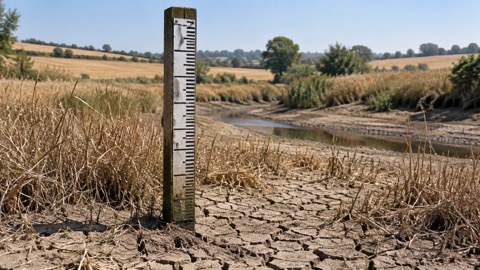 Drought Stages in England
 England 2026 Drought Areas





