The UK government carried out a second national test of the Emergency Alerts system on Sunday 7 September 2025 at 3pm1. The Cabinet Office published accessible materials for the test, including Easy Read explainers in English and Welsh, audio content and British Sign Language videos, on 27 August 20251. Testing of the system had also taken place across the UK in 2023 and again during the summer of 2025, with those messages clearly labelled as a test2.
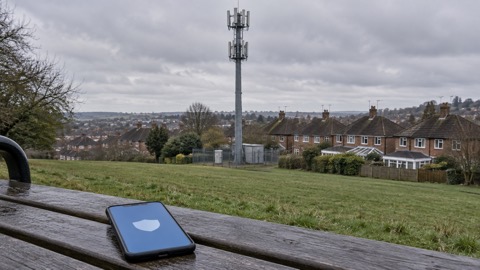
The test alert was sent to all mobile phones and tablets that use 4G and 5G, and lasted for about 10 seconds3. Devices could make a loud sound even if set to silent, vibrate, or read out a message, and the screen showed a message saying that this was a test3. The government does not need a phone number or any other details to send an alert, and a device does not need mobile data or WiFi to receive one3.
The Easy Read explainer set out the wording used:
"You do not need to do anything. This is a test to make sure the alerts work."
The same document stated that in an actual emergency recipients should follow the instructions in the alert to keep themselves and others safe3. It said the government might in future use alerts to tell people about flooding, fires and bad weather, and that alerts would not be sent very often3. Anyone who did not want to receive emergency alerts in future would need to change their phone settings, with instructions at gov.uk/alerts/opting-out3. The government also directed people to gov.uk/alerts to check that an alert is genuine3.
Why it matters for households
The test reached every 4G and 5G phone and tablet in the UK, so households could expect a loud sound, vibration or spoken message on each device, including those kept on silent, for about 10 seconds3. The Emergency Alerts guide explains how the phone warning system works, and a separate page covers what happens during an alert test. Households wanting to check whether their handset will receive alerts can use the compatible phones page, and those who wish to stop receiving them can read how to turn Emergency Alerts off or on. The government's guidance for drivers was that anyone driving when an alert arrives should carry on driving and not pick up the phone3. The test also forms part of the wider programme of emergency exercises through which government checks its plans, described in the guide to how the UK prepares for emergencies.
What happens next
No further national test date has been reported. The government has said alerts will not be sent very often and that in future they might be used for flooding, fires and bad weather3. Official warnings and news can be followed through the guide to where to get official warnings and news in an emergency.
Sources (3)
- Emergency Alerts test, 7 September: Accessible materials - GOV.UK, gov.uk
- The UK Emergency Alerts System | News & Events | Dorset Local Resilience Forum, dorsetprepared.org.uk
- National Emergency Alerts A4 EasyRead English, assets.publishing.service.gov.uk
 Emergency Alerts
 Emergency Alert Tests
 Phones That Get Alerts
 Emergency Exercises
 UK Emergency Preparedness Guide
 Official Warnings and News