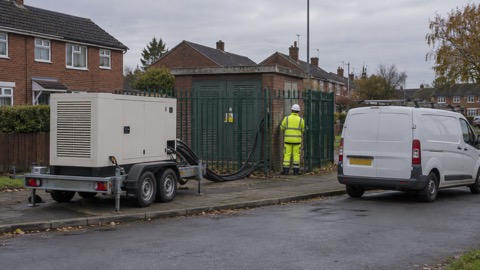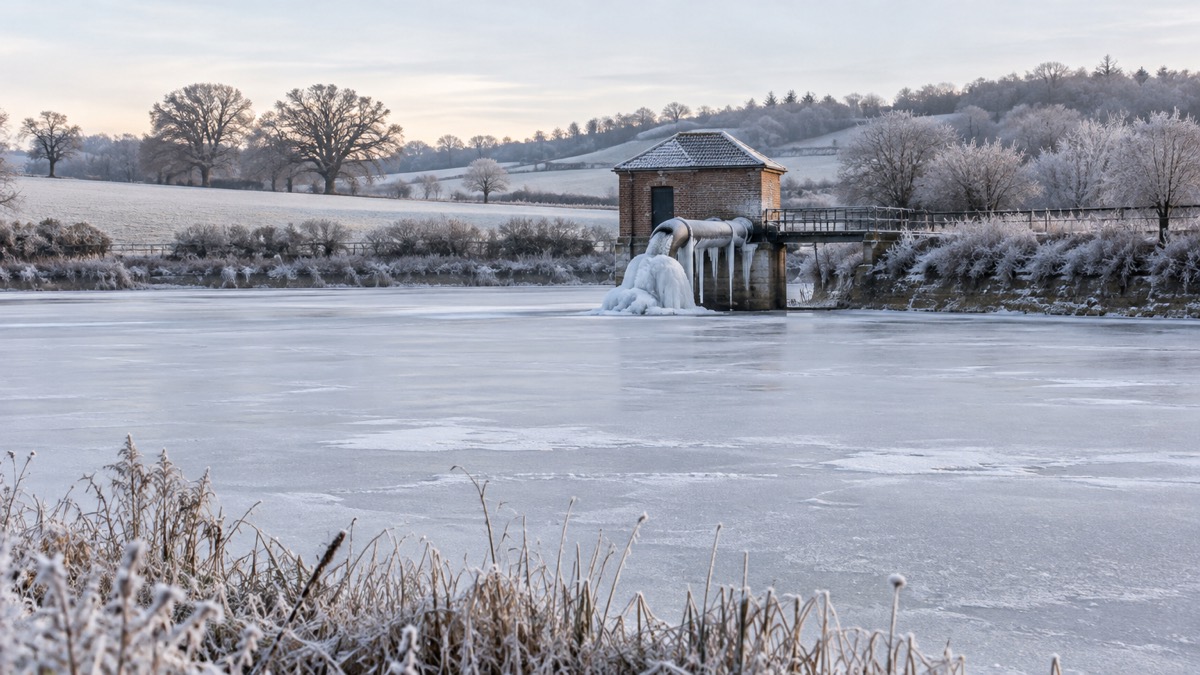
The Cabinet Office set out the response in its UK Government Resilience Framework 2023 Implementation Update, published on 4 December 2023. The update lists the incidents the government's crisis machinery handled over the preceding year, and records that "Between December 2022 and January 2023, we stood up cross-government responses to prolonged extreme cold and major water outages due to freeze-thaw"1.
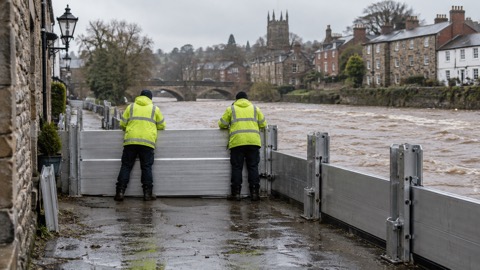
The same passage lists other events the government responded to in 2023: cross-government crisis response structures for the evacuation of over 2,000 people from Sudan to the UK in April and May; a technical fault in June that limited public access to emergency services through the 999 system; the August failure of the National Air Traffic Services (NATS) Flight Planning System, which caused significant delays and cancellations to flights to and from the UK; and severe winter storms and associated flooding across the country in October and November1. The update also records that new impact-based Heat Health Alerts were used over the summer in response to extreme temperatures in parts of the country1.
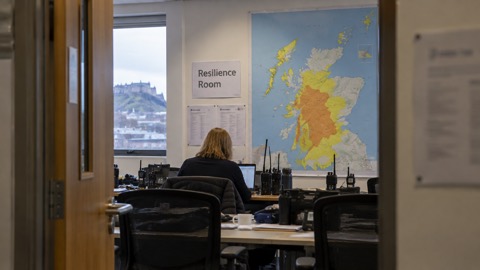
The document describes the COBR Unit, under the Director of COBR, as having responded during the year to "extreme weather, major water outages, flooding, a breakdown of the National Air Traffic Services (NATS) Flight Planning System, and evacuations of British Nationals from several crisis-hit countries"1. It says the unit has also been strengthening crisis management capability, including through the test of the UK-wide Emergency Alert system and the launch of the Crisis Management Excellence Programme1. The update states that the Emergency Alerts service, which issues alerts to compatible smartphones, is now fully operational1.
On winter planning, the update says work throughout the year focused particularly on those vulnerable to winter conditions, resulting in clearer and better coordinated communications, improved data sharing and proactive analysis to support any response to supporting vulnerable people in an emergency situation1. It adds that as the UK moves into the winter period, the government will focus on the prospect of further severe weather and flooding, likely further spread of the ongoing avian influenza outbreak, and further industrial action1.
"Between December 2022 and January 2023, we stood up cross-government responses to prolonged extreme cold and major water outages due to freeze-thaw"
The update does not give the number of households affected, the areas hit, or the duration of the water outages, and none of this has been reported in the document. It also does not set out specific guidance issued to households during the freeze-thaw period.
Why it matters for households
The freeze-thaw outages show that severe cold can interrupt household water supply on a scale that requires a cross-government response, not only action by individual water companies. The update confirms that the government treated prolonged extreme cold and the resulting outages as a national incident during December 2022 and January 20231. It does not state which regions or how many properties lost supply, so the practical reach of those outages is not set out in this document.
The update also confirms that the Emergency Alerts service, which sends alerts to compatible smartphones where there is danger to life, is fully operational1. For households, that is the mechanism by which a nationwide warning would reach a phone. How water companies respond to a major incident, including communication with customers, is covered in the guide on how water companies respond to a major incident, and general household water planning is set out in the water hub.
The government's wider approach to risk, including the publication of the National Risk Register and work with local resilience forums, is described in the UK Government Resilience Framework and Action Plan. Public information work is covered under Be Ready: The National Resilience Campaign, and the UK preparedness hub sets out the wider picture.
What happens next
The update, published on 4 December 2023, says the government will focus over the winter on further severe weather and flooding, the likely further spread of avian influenza, and further industrial action1. It records that the UK Resilience Forum will meet in December 2023 for the first time1. No further detail on the freeze-thaw outages or on any follow-up work specific to them is given in the document.