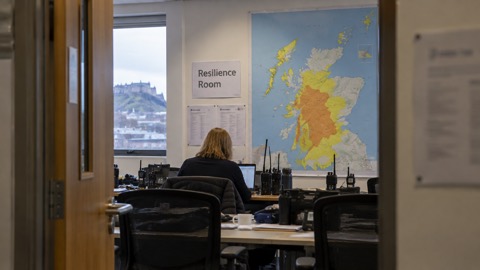
In September 2022 the Cabinet Office reorganised its existing resilience functions into two units, according to an official explanation of how resilience is managed in the UK1. The Resilience Directorate is responsible for preparedness and risk reduction, and the Cabinet Office Briefing (COBR) Unit is responsible for crisis response1. The same account says the change allows the UK Government to coordinate and support emergencies while continuing to deliver long-term capability building and risk reduction1.
The reorganisation sits alongside the 2022 UK Government Resilience Framework, which the account says sets out that resilience is a "whole of society" endeavour1. Central government provides leadership and takes action to build the nation's resilience while relying on a wide range of partners, and most emergencies in the UK are handled at local level by the emergency services, local authorities and other organisations such as utility companies and transport operators1. Where scale or complexity requires it, central government coordination or support follows devolution agreements with the Scottish Government, Welsh Government and Northern Ireland Executive1.
The UK Government uses a Lead Government Department model covering all phases of emergency planning, response, recovery and risk assessment, with those departments leading work to identify serious risks and ensure the right arrangements are in place1. Below that, the account lists the local structures:
| Nation | Local resilience structure | Number |
|---|---|---|
| England | Local Resilience Forums | 38 |
| Wales | Local Resilience Forums | 4 |
| Scotland | Regional Resilience Partnerships | 3 |
| Northern Ireland | Emergency Preparedness Groups | Not stated |
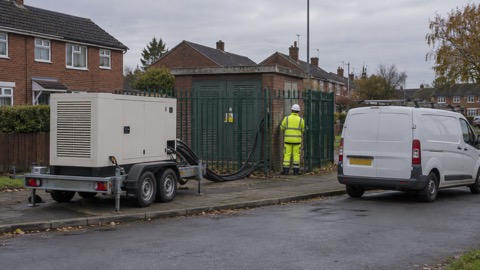
Local Resilience Forums are multi-agency partnerships bringing together Category 1 and Category 2 responders under the Civil Contingencies Act 2004 to coordinate planning, preparation and response within a geographical area1. Category 1 responders listed are police, fire and rescue services, ambulance services, NHS bodies, local authorities and the Environment Agency; Category 2 responders include utility companies for water, gas and electricity, telecommunications providers, transport operators and the Health and Safety Executive1. The account says most LRF boundaries follow police force areas, and that partners produce Community Risk Registers focusing on the highest priority risks locally1.
"In September 2022, the Cabinet Office reorganised its existing resilience functions into two units: The Resilience Directorate, which is responsible for preparedness and risk reduction and the Cabinet Office Briefing (COBR) Unit, which is responsible for crisis response."
Why it matters for households
The split separates long-term risk reduction and preparedness from the handling of live incidents, so the unit coordinating a response is distinct from the one working on building capability between incidents1. For households, the account describes a system in which local responders, including the utility companies that supply water, gas and electricity, sit inside the same forum as the emergency services and local authorities, and in which local risk priorities are published in Community Risk Registers1. It also states that forums raise public awareness of potential risks and provide information on how to prepare for emergencies and what to take during specific incidents1. No changes to public-facing services or to household guidance are reported in connection with the reorganisation.
What happens next
No further steps or timetable following the September 2022 reorganisation are reported in the account1. The same account points readers to a government contact list for Local Resilience Forums across the country1. For how central coordination works, see How Central Government Responds: COBR and Lead Departments; for local structures, see Local Resilience Forums: What They Do and How to Find Yours and Strengthening Local Resilience Forums: The England Pilots. The wider picture is set out in the uk-preparedness hub.
Sources (1)
- How is Resilience managed in the UK?, essexprepared.co.uk
 Central Government Response