The UK Health Security Agency (UKHSA) issued an amber Cold-Health Alert (CHA) for all regions of England from midday on Thursday 2 January until midday on Wednesday 8 January, the agency announced. All regions had previously been under a yellow CHA1.
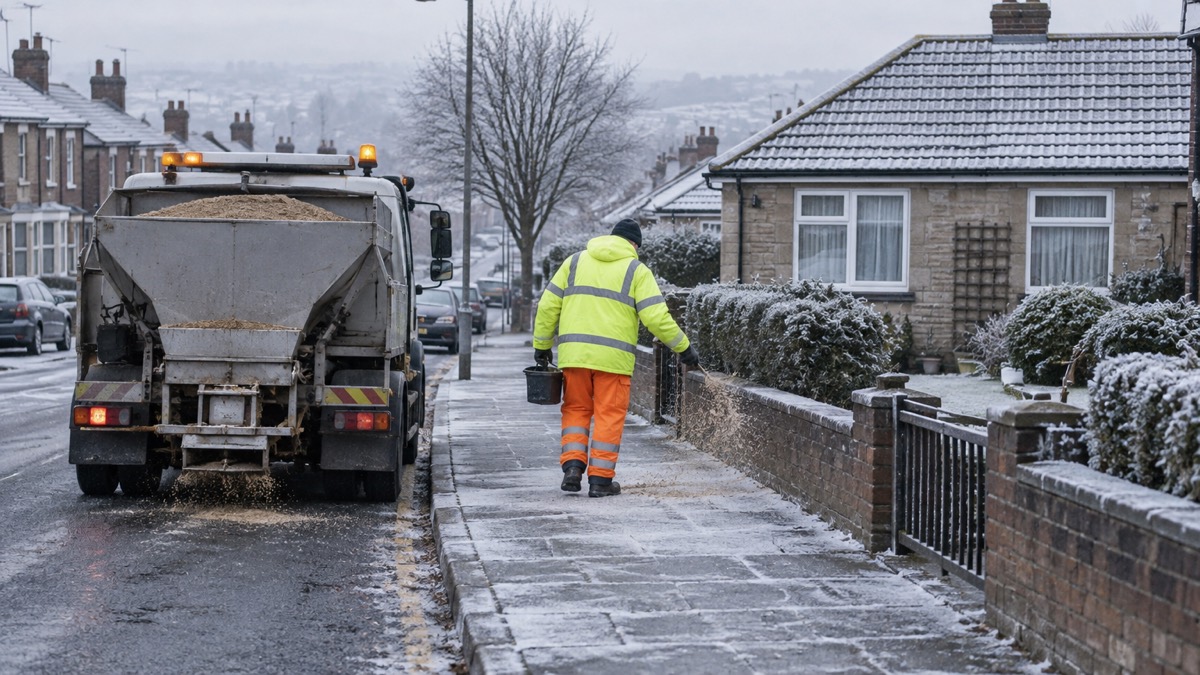
The amber level means that cold weather impacts are likely to be felt across the whole health service for an extended period, with potential for the whole population to be at risk and other sectors starting to observe impacts, indicating a coordinated response is required1. UKHSA said expected low temperatures were likely to result in increased use of health care services by vulnerable people and an increase in risk to health for individuals aged 65 and over, those with pre-existing health conditions including respiratory and cardiovascular diseases, and some other vulnerable groups such as those sleeping rough1. It said these people could be more at risk of heart attacks, stroke and chest infections as a result of cold temperatures1.
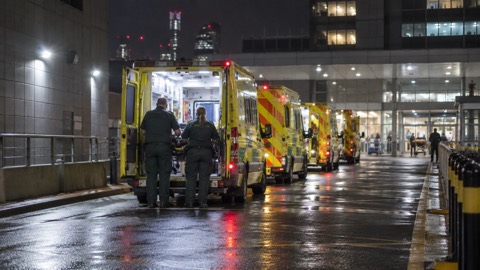
The alert was extended twice. On 6 January UKHSA said the amber CHA had been extended until midday on Sunday 12 January, and on 9 January it said the alert had been extended until 9am on Tuesday 14 January1. North Cheshire and Mersey NHS Foundation Trust reported on 9 January that the amber alert had been extended until 9am on Tuesday 14 January across the north west region, and that NHS services across Cheshire and Merseyside were under pressure, with demand for primary care, hospital services, mental health and emergency services continuing to rise2.
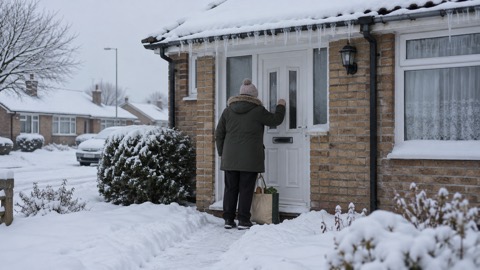
"The forecasted temperatures can have a serious impact on the health of some people, including those aged 65 and over and those with pre-existing health conditions, and it is therefore vital to check in on friends, family and neighbours that are most vulnerable."
A later UKHSA report, the first annual cold mortality monitoring report, estimated that 2,788 cold-associated deaths occurred across three cold weather episodes in England in winter 2024 to 2025 (95% confidence interval 2,149 to 3,438)3. Of these, 1,600 were directly associated with cold weather, independent of influenza circulation, and 1,188 were linked to cold weather causing increases in influenza infection3. The report was corrected on 22 October 2026, raising the winter total from 2,544, an increase of 10 per cent, after episode 2 was found to have lasted three days from 2 January to 4 January rather than two3. Episode 2 had 738 cold-associated deaths (95% CI 557 to 923) and episode 3, lasting six days from 7 January to 12 January, had the highest at 1,630 (95% CI 1,266 to 1,991)3. The report says an amber CHA was issued on 2 January for all regions of England and remained in place until 14 January 20253.
| Alert level | What UKHSA says it means |
|---|---|
| Yellow | Cold unlikely to impact most people but could pose increased risk to those particularly vulnerable, such as the elderly or those with significant health conditions; may also be issued where forecast confidence is low but worst-case impacts could be more significant1 |
| Amber | Impacts likely to be felt across the whole health service for an extended period, with potential for the whole population to be at risk and other sectors starting to observe impacts, indicating a coordinated response is required1 |
| Red | Significant risk to life for even the healthy population, with impacts expected across all sectors and a coordinated response essential1 |
Why it matters for households
The alert covers all regions of England and ran from midday on 2 January, extended to 9am on 14 January1. UKHSA said it is vital to check in on friends, family and neighbours who are most vulnerable, and that those aged 65 and over, people with pre-existing health conditions and those sleeping rough are at increased risk1. The NHS trust advised people across Cheshire and Merseyside to use NHS 111 online as the first point of contact for non-urgent medical advice, available 24 hours a day, seven days a week, with urgent treatment centres and walk-in centres providing same-day help for non-life-threatening emergencies2. Its advice for cold weather included heating rooms regularly used to at least 18°C if possible, drinking hot drinks regularly, not sitting still for more than an hour at a time, drawing curtains in the evenings and keeping radiators and heaters clear, and keeping a small supply of basic medicines such as paracetamol, plasters and indigestion remedies to manage minor illnesses or injuries at home2. UKHSA noted that the Met Office may issue National Severe Weather Warnings, for example for snow and ice, at short notice, and that the National Severe Weather Warning Service provides broader warnings on severe weather risks across the UK, while Cold-Health Alerts focus on health impacts for vulnerable groups in England1. The cold-alerts guide explains the yellow, amber and red levels, and the UKHSA guide covers the agency's alerts and local teams.
What happens next
The amber CHA remained in place until 9am on Tuesday 14 January 2025, according to UKHSA's final update to its announcement1. The cold mortality monitoring report was published on 18 February 2026 and corrected on 22 October 20263. No further extension of the alert beyond 14 January is reported in these sources.
 UK Health Security Agency
 Cold-Health Alerts Explained
 Cold-Health Alerts
 Official Warnings and News