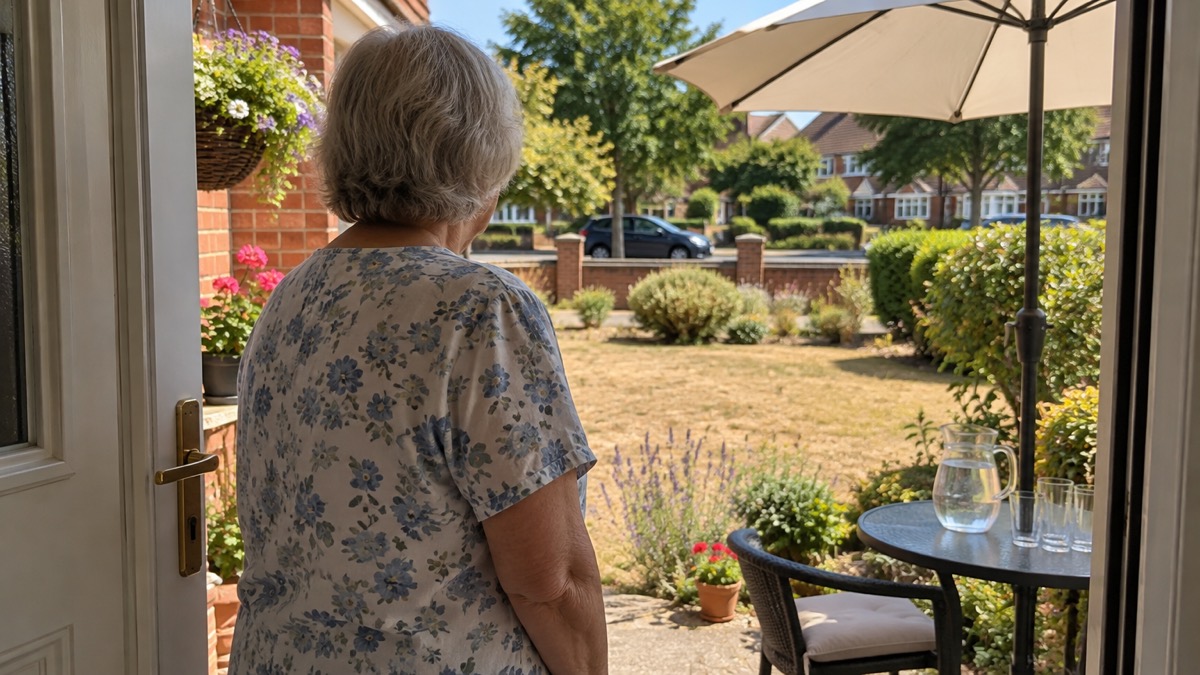
The UK Health Security Agency (UKHSA) issued updated heat-health alerts (HHAs) for all regions in England on 6 July 2026, warning that rising temperatures that week may increase health risks, particularly for vulnerable groups1. The existing yellow alerts for the East Midlands, West Midlands, East of England, London, South East and South West were escalated to amber, in place from 9am on Wednesday 8 July until 9pm on Sunday 12 July1. A yellow alert was issued for the North West, North East and Yorkshire and the Humber for the same period1.
Under the UKHSA and Met Office Weather-Health alerting system, an amber heat-health alert means that any impacts will likely include increased use of health care services by vulnerable populations, and an increase in risk to health for individuals aged over 65 years or those with pre-existing health conditions, including respiratory and cardiovascular diseases1.
Dr Agostinho Sousa, Head of Extreme Events and Health Protection at UKHSA, said:
"Sustained periods of warm weather can result in serious negative health outcomes across the population, so it is important that everyone takes sensible precautions while enjoying the sun. Based on the current forecast, we don’t currently expect the health impacts to be as high as the heatwave we saw at the end of June but older adults and those with pre-existing conditions are still at risk."
| Alert level | Regions | Period |
|---|---|---|
| Amber | East Midlands, West Midlands, East of England, London, South East, South West | 9am Wednesday 8 July to 9pm Sunday 12 July |
| Yellow | North West, North East, Yorkshire and the Humber | 9am Wednesday 8 July to 9pm Sunday 12 July |
The agency said it would continue to monitor and update alerts if necessary1. The 6 July update followed a red heat-health alert for six regions, the West Midlands, East Midlands, South East, South West, London and East of England, in place from 1am on Wednesday 24 June until 11pm on Thursday 25 June, later extended to 11pm on Friday 26 June, with all other regions of England under an amber alert for the same period1. UKHSA said that was the second time a red HHA had been issued, the first having been in July 20221. A red alert indicates that a severe heatwave could have impacts beyond health and social care, with potential effects on transport systems, food, water, energy supplies and businesses, and indicates a risk to life for even the healthy population1.
Why it matters for households
The amber alert covers six regions of England from 9am on Wednesday 8 July until 9pm on Sunday 12 July, with yellow alerts in the North West, North East and Yorkshire and the Humber over the same days1. UKHSA identifies people aged over 65 and those with pre-existing health conditions, including respiratory and cardiovascular diseases, as at increased risk under an amber alert1. The agency asks people to check on friends, family or neighbours who are more vulnerable and ensure they are aware of the forecast and following the necessary advice1. Its published guidance on staying safe in hot weather includes staying hydrated, avoiding the sun during the hottest part of the day and keeping the home cool, checking that fridges, freezers and fans are working properly, checking that medicines can be stored according to the instructions on the packaging, and never leaving anyone in a closed, parked vehicle, especially infants, young children or animals1. NHS.UK sets out the symptoms of heat exhaustion and heatstroke and what to do if you or someone else experiences them1. The heat-health alerts guide explains what the yellow, amber and red levels mean, and households can read how to sign up for heat-health alerts.
What happens next
UKHSA said it would continue to monitor and update alerts if necessary, and that any further changes to alert levels would be published on the UKHSA dashboard and on GOV.UK1. The 6 July update stated that the yellow alert would remain in place until the amber period began1.
 Cold-Health Alerts Explained
 Heat-Health Alerts Explained
 UK Health Security Agency





