
Aqara is a smart home maker whose kit turns up again and again in the sort of household that wants a warning before something goes wrong: water where it should not be, smoke in a hallway, a room getting cold enough to threaten the pipes. For a UK household preparing for emergencies, the useful question is not what the app can do on a quiet Tuesday, but what the kit does during a power cut, a flood or a cold snap, how long it keeps working, and how you keep it ready between events.
The short answer is that Aqara's sensors and locks are useful early-warning tools, not survival equipment. They depend on batteries, a hub and, for alerts that reach you when you are out, a working internet connection. Aqara states that its Smoke Detector requires an Aqara Zigbee 3.0 hub1, and its U200 Lite lock lists a hub as required2. Plan for what happens when those links fail, and the kit earns its place in a household plan.
This page covers what Aqara makes that bears on preparedness, one short section per kit type, then hubs, what survives an outage, alerts, batteries, and support and safety notices. It does not rank Aqara against other makers.
What Aqara makes for UK households
Aqara's range spans smart locks, cameras, hubs and a family of small battery sensors. For preparedness, four groups matter: water leak sensors, smoke and safety sensors, temperature and humidity sensors, and the hubs that tie them together. The locks sit alongside these because a door you can check and control remotely has a place in a household security plan, and because Aqara builds them for UK doors specifically: the U600 is described as built to fit standard UK multipoint doors and weather-tested for British conditions3.
The pattern across the range is the same. A small device sits where a problem would start, a hub collects what it reports, and an app tells you. That chain is only as strong as its weakest link, and in an emergency the weak links are power, internet and batteries. Read each product page for the model you are considering, and read the section guide for the job it does: Home Security for locks and cameras, Home Emergencies for smoke, carbon monoxide and burst pipes, and Staying Informed and in Touch for alerts.
| Kit type | What it does for the household | Main dependency | Where it fits |
|---|---|---|---|
| Water leak sensors | Warns of escaping water before it spreads | Hub and app | Home Emergencies, Flooding |
| Smoke and safety sensors | Raises an alarm and pushes an alert | Aqara Zigbee 3.0 hub1 | Home Emergencies |
| Temperature and humidity sensors | Warns when a room gets too cold or too hot | Hub and app | Heating and Cooking, Heatwaves and Drought |
| Smart locks | Lets you check and control a door remotely | Hub for some features5 | Home Security |
| Hubs | Connects the sensors to your phone | Mains power and internet | Staying Informed and in Touch |
Water leak sensors: an early warning of escaping water
A leak sensor is the simplest kind of preparedness: a small device on the floor under the boiler, behind the washing machine or beside the stopcock, which tells you when water arrives where it should not. The value is in the timing. A burst pipe or a failed joint found in the first hour is a mopped floor; found after a weekend away, it is a ceiling. The Home Emergencies guide covers what to do once water is loose, including where the stopcock is and how to isolate the supply.
The same principle of early warning runs through official thinking on household sensors. Age UK describes telecare temperature sensors as devices that alert you or someone else if the temperature in your home rises or drops rapidly6. A leak sensor does the equivalent job for water. Neither replaces a person checking, but both shorten the gap between something going wrong and someone knowing.
Two practical points decide whether a leak sensor helps in an emergency. First, it needs its hub and your home network to reach your phone, so a power cut that takes out the router also takes out the alert. Second, it needs a battery that has not quietly gone flat. Put leak sensors where the consequences would be worst, test them when you test your smoke alarms, and treat them as part of the wider Emergency Kit rather than a substitute for knowing how to turn the water off.
Smoke alarms and safety sensors
The Aqara Smoke Detector is the device in the range with the clearest life-safety job. Aqara states it has a built-in siren of up to 85dB, a flame retardant casing, an insect proof net and one-button control1. It also has a colourful LED that blinks in case of an alarm1. Those are the features that matter at three in the morning: a sound loud enough to wake you and a light that helps you find your way.
The more useful feature for a household is grouping. Aqara states that one Smoke Detector can trigger the other Aqara Smoke Detectors to sound an alarm, an Aqara Home exclusive feature1. That mirrors official fire safety advice for vulnerable people, which is to make sure alarms are interlinked so that when one alarm detects a fire they all go off together, giving the person early warning7. If you are fitting alarms for an older or less mobile household member, interlinking is the point, and the Extra Help in an Emergency guide covers the wider arrangements.
The detector can also trigger siren-equipped Aqara hubs automatically through the Alert System, and push notifications, including Critical Alerts, to your phone or any other device with the Aqara Home app installed1. Setting up grouping is done in the app: open the details page of the smoke detector, tap More in the top right, choose Device Settings then Device Alarm Grouping, turn on the linkage switch for the current device, then turn on the switches for the other devices you want linked1.
Temperature and humidity sensors for cold snaps and heatwaves
Temperature and humidity sensors are the quiet workhorses of a preparedness plan. Their job is to tell you when a room is drifting somewhere dangerous: cold enough to threaten pipes in an unheated house, or hot enough to matter for a vulnerable person during a heatwave. Age UK's description of telecare temperature sensors, alerting you or someone else if the temperature in your home rises or drops rapidly6, is a fair summary of what a household wants from them.
The scenarios are ordinary UK ones. A winter cold snap with the boiler out, a summer heatwave, a power cut in freezing weather. Official guidance for winter conditions includes keeping a phone or alert device nearby in case you need help8, and for summer heat the advice includes signing up for weather warning alerts9. A sensor that reports room temperature to your phone adds a layer to that: you know whether the house is cooling while you are out, and whether a neighbour's spare room is warm enough for an older relative.
Placement decides usefulness. Put sensors where the risk is: the coldest room, the room with the most pipework, the bedroom of anyone vulnerable to heat. Keep them away from radiators, direct sun and draughts, or they will report the weather rather than the room. Pair them with the practical steps in Heating and Cooking Without Mains Power or Gas and Heatwaves and Drought, and treat a reading as a prompt to act rather than a diagnosis.
Hubs: what most Aqara sensors need to work
Most Aqara sensors are not standalone. Aqara states that an Aqara Zigbee 3.0 hub is required for its Smoke Detector1, and the U200 Lite lock lists a hub as required2. Which adds a warning for the U200 lock: it needs a separate hub for some features5. The hub is the piece that receives the sensor's radio signal and passes it to your phone, usually over your home internet connection.
That makes the hub the single point of failure in the system, and the one to think about first in a preparedness plan. It needs mains power and a working router. Official guidance is blunt about what a power cut takes with it: gas ovens, boilers, heat pumps and your home internet will not work without power4. A hub on a plug socket in a power cut is a hub that has stopped listening, even if every sensor still has a battery.
There are two sensible responses. The first is to put the hub and router on a small uninterruptible supply or backup power arrangement, covered in Backup Power at Home, so short outages do not silence the system. The second is to accept the limit and keep the basics independent: standalone smoke alarms, a torch, a phone you can charge elsewhere. For the locks, some functions work without a hub at all. Aqara states that with the U200 Lite you can walk to the door, open the Aqara app and unlock with one click, with no extra hub required2.
What still works in a power cut or internet outage
It is worth being precise about what survives an outage, because the answer shapes how much you lean on any smart kit. Official guidance lists what stops: gas ovens, boilers, heat pumps and home internet will not work without power, and the mains water supply could also be disrupted during and after power cuts4. The mobile phone network may still temporarily work in specific regions with backup power10.
So in a power cut, an Aqara sensor with a good battery can still detect and sound its own alarm, and a lock with a keypad or key can still be opened by hand. What stops is the part that reaches your phone: the hub, the router and the internet. That is the gap to plan around.
- Keep mobile phones, laptops, tablets and power banks fully charged, so you have battery power for a short time at least11.
- If your landline will not work during a power cut, your landline provider might offer a free solution such as a back-up battery unit, for a minimum of one hour12.
- If possible, have an analogue phone that can be connected in your house, as this will still work if a power cut impacts the mobile network13.
- If you have solar panels and a battery storage system with power backup capability, some installations can continue to provide power during a power cut if designed and configured to operate independently of the grid10.
The Power Cuts guide sets out the full household routine. The short version for Aqara owners: the sensors are the part that keeps working, the hub and app are the part that does not, and your plan should not depend on the second.
Setting up alerts so a warning reaches you
An alert only helps if it reaches a person who can act. Aqara's Smoke Detector can push notifications, including Critical Alerts, to your phone or any other device with the Aqara Home app installed1. The U600 lock has a do not disturb mode that mutes all general alerts during the set time, while still notifying for forced entry, a door left ajar or other critical events3. That distinction between general and critical alerts is worth understanding before you rely on either.
Set alerts up so that more than one person receives them, and so that the phone receiving them is charged and to hand. Official guidance for winter includes ensuring you have access to a phone before bed14, and for those at risk of falls, keeping a phone or alert device nearby in case you need help8. The same discipline applies to app alerts: a phone left charging in another room is not an alert system.
For the wider picture, including how to keep in touch when networks are strained, see Staying Informed and in Touch in an Emergency.
Batteries: checking and replacing them
Every Aqara sensor is a battery device, and a flat battery is the most common way a preparedness gadget fails. The maker's figures give you a service rhythm. The Smoke Detector's 10-year battery life is achieved with alarming once a month and lasting for 5 minutes1, and it uses a powerful lithium battery1. The U600 lock's 4 AA batteries last up to 10 months and are easily replaceable3. The U200 Lite has a built-in 2000mAh rechargeable battery that lasts up to 6 months per charge2, and Which reports that Aqara claims the U200 lock can last up to six months between charges5.
Official fire safety guidance on batteries is consistent across services: regularly check for signs of damage like swelling, leaks or strange smells, and stop using damaged batteries immediately16. Buy replacement batteries and chargers from reputable sellers and check for a UKCA or CE safety mark16, and make sure batteries are suitable for the device they are intended for and meet the manufacturer's specifications17. Regularly check your batteries for any damage or wear and tear18.
A simple routine keeps the system honest: note the date each battery went in, check the app's battery status monthly, and replace before the maker's figure runs out rather than after. Keep a small stock of the right batteries in your Emergency Kit, and dispose of old lithium cells properly rather than storing them in a drawer.
Support, warranty and safety notices
Aqara sells direct to UK buyers through its European store, eu.aqara.com, which lists the U200 Lite in GBP with fast shipping, a 30-day money-back guarantee, a hassle-free warranty and lifetime customer support2. The U600 product page lists the same 30-day money-back guarantee, hassle-free warranty and lifetime customer support, and showed the item in stock when checked3. Wherever you buy, official guidance is to only buy electrical items from reputable sellers and check they display a UKCA or CE safety mark20.
Before buying any electrical product, and periodically afterwards, use Electrical Safety First's online product checker, which holds details of electrical products that have been recalled since 200721. Official fire safety guidance recommends it for appliances generally22. No Aqara recall appears in the safety notices reviewed for this page. Product recalls do happen in this category: a Deltronic Security AB Environmental Alarm, listed under Home Safety, Fire Prevention and Gas, Heat and Smoke Detectors, was the subject of an official safety notice23. That is a reminder to check rather than a comment on Aqara.
For the locks, check compatibility before you buy. Aqara states the U600's Apple Home key support requires an iPhone XS or later on iOS 18.6 or later, and an Apple Watch Series 6 or later on watchOS 11.5 or later3. The U600 uses Matter over Thread and lists Apple Home, Home Assistant, Alexa, SmartThings, Google Home and Aqara among compatible platforms3. The U200 Lite offers native compatibility with Apple Home, Google Home, Alexa, SmartThings and Home Assistant via Matter over Thread2. The Smoke Detector connects to other ecosystems via Matter over Bridge, which requires a Matter controller for that ecosystem and a Matter-compatible Aqara hub1.
The product pages for the locks are at Aqara Smart Lock U200, Aqara Smart Lock U600 and Aqara Smart Lock U200 Lite, with the Aqara Camera Hub G350 covering the camera and hub side. For how any of this fits a wider household plan, start with Getting Started.
Sources (23)
- Aqara Smoke Detector, Aqara, 2026-01-21
- Aqara Smart Lock U200 Lite, Aqara, 2026-11-03
- Aqara Smart Lock U600, Aqara, 2026-11-03
- Power cuts, UK Government, 2026-10-21
- Do I need a smart door lock?, Which?, 2026-04-15
- Telecare, Age UK, 2026-08-11
- Alarms, London Fire Brigade, 2026-10-25
- Falls prevention, Staffordshire County Council, 2026
- Keeping safe, Surrey County Council, 2026-10-28
- Power cuts, UK Government, 2026-10-21
- Strong winds weather warning information and advice, nidirect, 2026-10-24
- Advice for disabled persons and carers, UK Government, 2026-10-20
- Power cuts, West Yorkshire Prepared, 2026-10-29
- Winter safety, Greater Manchester Fire and Rescue Service, 2026-10-29
- Easy Read English, UK Government, 2025-09
- Battery safety, Greater Manchester Fire and Rescue Service, 2026-10-29
- Battery safety, West Yorkshire Fire and Rescue Service, 2026-10-29
- Lithium batteries, Surrey County Council, 2026-10-28
- E-bikes and e-scooters, South Wales Fire and Rescue Service, 2026-07-29
- Electrical safety, Greater Manchester Fire and Rescue Service, 2026-10-29
- Checking your electrical products, Gloucestershire Fire and Rescue Service, 2025-11-05
- Stay fire safe, Greater Manchester Fire and Rescue Service, 2026-10-29
- Product recall: Deltronic Security AB Environmental Alarm, GOV.UK, 2025-11-18
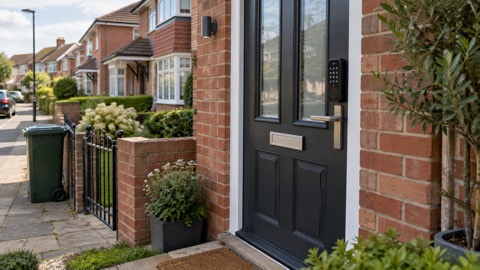 Aqara Smart Lock U200
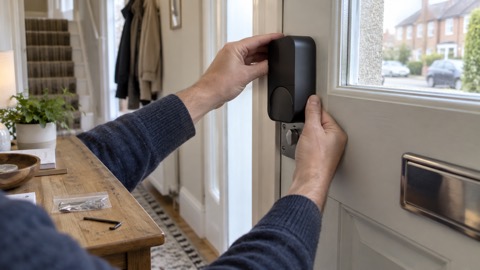 Aqara Smart Lock U200 Lite
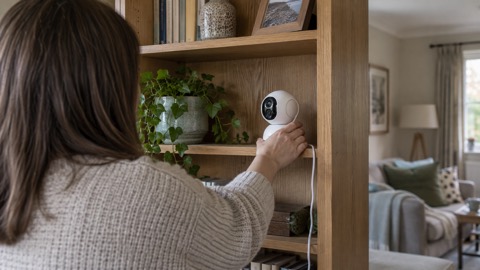 Aqara Camera Hub G350