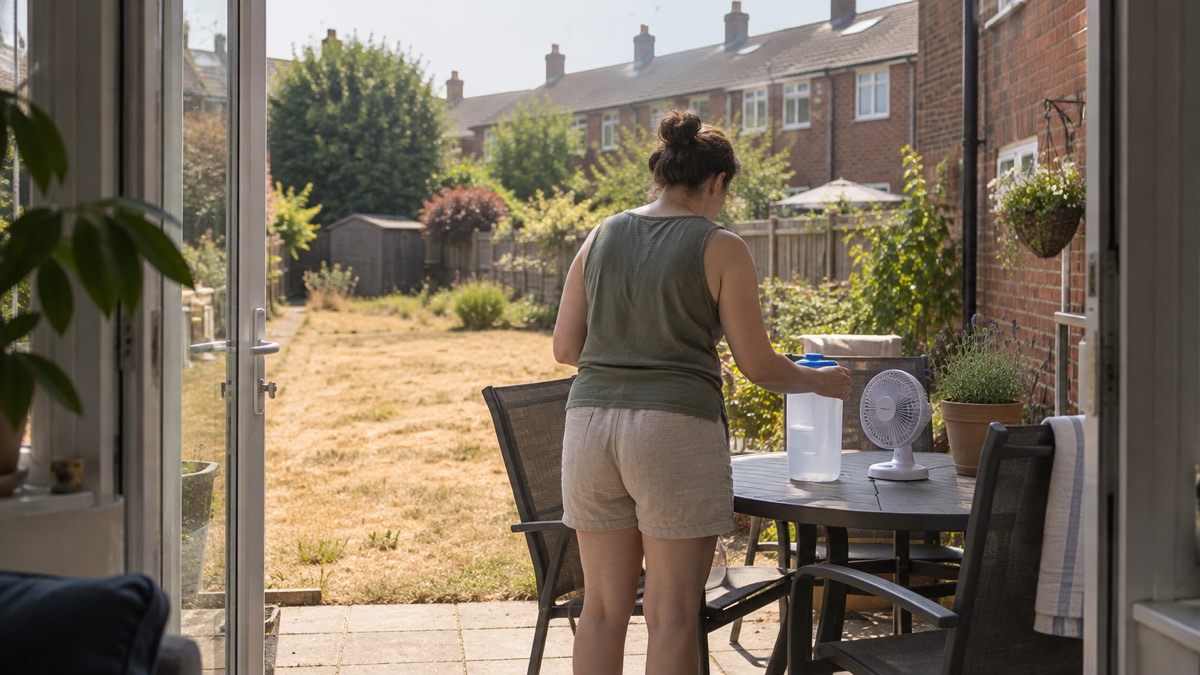
South Central Ambulance Service NHS Foundation Trust (SCAS) issued advice to the public on how to keep themselves and others safe in the heat, as the third heat wave of summer 2025 arrived and a yellow heat health alert came into force from Thursday 10 July until 10:00am on Tuesday 15 July1.
The ambulance service said that while many people can enjoy hot summer weather safely, high temperatures mean some people are at greater risk of becoming ill, naming older people aged 65 and over, babies and young children aged 5 and under, and people with underlying health conditions1. Its advice to minimise the risk of a heat-related emergency was to stay hydrated and limit the amount of alcohol drunk; to wear sunscreen with a sun protection factor (SPF) of at least 30 to protect against UVB and at least a 4-star UVA protection; to exercise in the cooler parts of the day, such as early morning or late evening, and stay out of the sun altogether between 11am and 3pm; to ensure you always have any prescription medication and/or an inhaler with you; and to check in regularly with elderly relatives and neighbours1.
SCAS set out the difference between the two main heat conditions. Heat exhaustion occurs when the body overheats and cannot cool down, and does not usually need medication if you can cool down within 30 minutes; if no action is taken to cool down, it can lead to heatstroke1. Common symptoms of heat exhaustion listed by the service are tiredness, weakness, feeling faint, headache, muscle cramps, and feeling or being sick1. Heatstroke is where the body is no longer able to cool down and the body temperature becomes dangerously high; SCAS describes it as a medical emergency, and says that if you think someone is suffering with heatstroke, call 999 and then try to cool them down1. Common symptoms of heatstroke listed are confusion, lack of co-ordination, fast heartbeat, fast breathing or shortness of breath, hot skin that is not sweating, and seizures1.
"Heatstroke is a medical emergency and if you think someone is suffering with heatstroke, call 999 and then try to cool them down"
The alert level, the areas covered by the yellow alert and any further detail of the forecast have not been reported in the announcement, which gives the alert's start and end times only1.
Why it matters for households
The yellow heat health alert runs from Thursday 10 July until 10:00am on Tuesday 15 July, so the period it covers includes the weekend1. SCAS identifies older people aged 65 and over, babies and young children aged 5 and under, and people with underlying health conditions as at greater risk of becoming ill in high temperatures, and advises households to check in regularly with elderly relatives and neighbours1. Its advice also covers hydration and alcohol, sunscreen of at least SPF 30 with at least 4-star UVA protection, timing exercise away from the 11am to 3pm period, and carrying prescription medication and inhalers1. The service directs readers to NHS guidance on heat exhaustion and heatstroke for more information1. The heat-health alerts guide explains the yellow, amber and red levels, and the hot weather preparation checklist sets out household preparations; the heatwaves and drought guide covers the wider picture, and households can find out how to receive alerts in the guide to signing up for heat-health alerts.
What happens next
The yellow heat health alert is due to remain in place until 10:00am on Tuesday 15 July 20251. No further alerts or updates beyond that period have been reported1.
 Heat-Health Alerts Explained
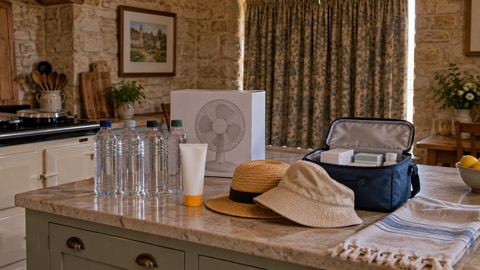 Hot Weather Preparation





