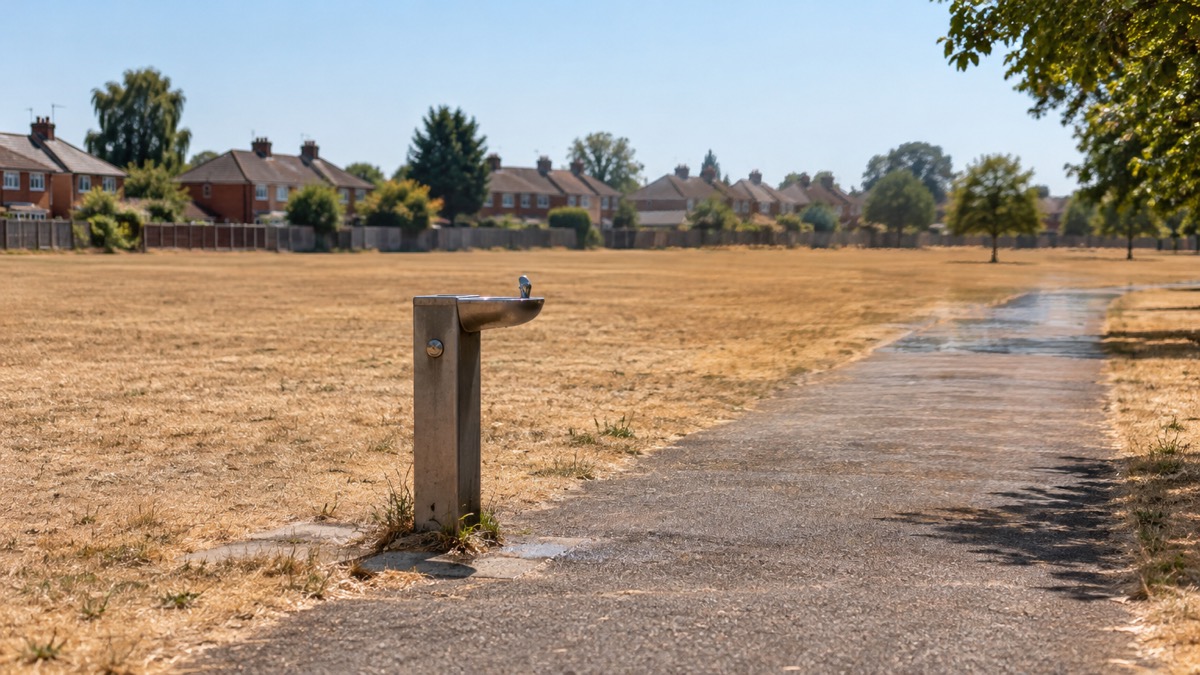
Visits to the heat exhaustion advice page on the NHS website almost tripled during the hot weather at the end of July, NHS England reported on 1 August 2024. The UK recorded its hottest day of the year so far on Tuesday 30 July, and yellow heat health alerts were in place for millions of people until Friday 2 August1.
NHS England's analysis of the nhs.uk website shows 21,112 visits to the heat exhaustion page on 29 and 30 July, compared with 7,838 over the weekend of 27 and 28 July, an increase of 169%. Searches peaked on Tuesday with 11,986 visits, an average of one visit every seven seconds1.
"We've seen a considerable increase in the number of people coming to the NHS website for heat-related health advice."
The NHS describes heat exhaustion as usually not needing emergency medical help if the person can be cooled down within 30 minutes, but says that if it turns into heatstroke it needs to be treated as an emergency. Signs listed by the NHS include tiredness, dizziness, headache, feeling sick, sweating or clammy skin, cramps, fast breathing or heartbeat, a high temperature, being very thirsty and feeling weak1.
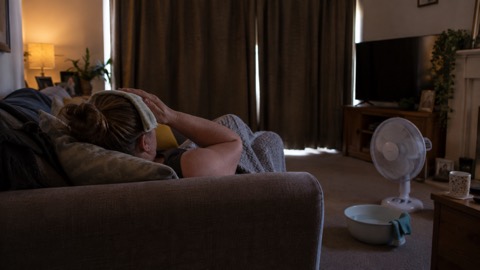
Where someone is showing signs of heat exhaustion, the NHS advises moving them to a cool place, removing unnecessary clothing, giving them a rehydration drink or cool water and cooling their skin with water, a fan or cold packs wrapped in a cloth. If their condition does not start to improve after 30 minutes of resting in a cool place, the NHS says to call 9991.
NHS England said the NHS website is the UK's biggest health website, with an estimated 2.1 million visits a day in 2023, over 4,000 pages and information about 990 medical conditions1.
Why it matters for households
The rise in visits came during a period of yellow heat health alerts covering millions of people, with the hottest day of the year so far recorded on Tuesday 30 July1. The NHS advises that heat exhaustion does not usually need emergency medical help if the person can be cooled down within 30 minutes, but that heatstroke is an emergency1. The signs to look for and the cooling steps the NHS sets out are listed on its heat exhaustion and heatstroke page, and the wider subject is covered in the guide to heatwaves and drought.
NHS England said the NHS is urging the public to use services as they normally would, with NHS 111 available for urgent needs and 999 for emergencies. The Chief Nursing Officer for England said people should continue to use 999 in life-threatening emergencies and NHS 111, via the NHS App, online or by phone, for other health concerns1.
What happens next
The yellow heat health alerts were in place until Friday 2 August, according to the announcement published on 1 August 20241. No further dates have been reported.
 Heat Exhaustion and Heatstroke





