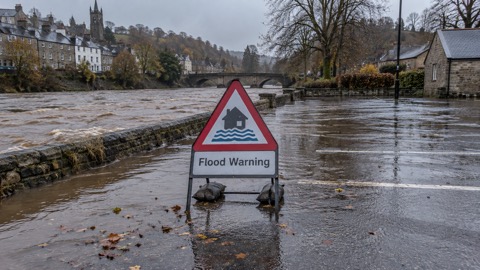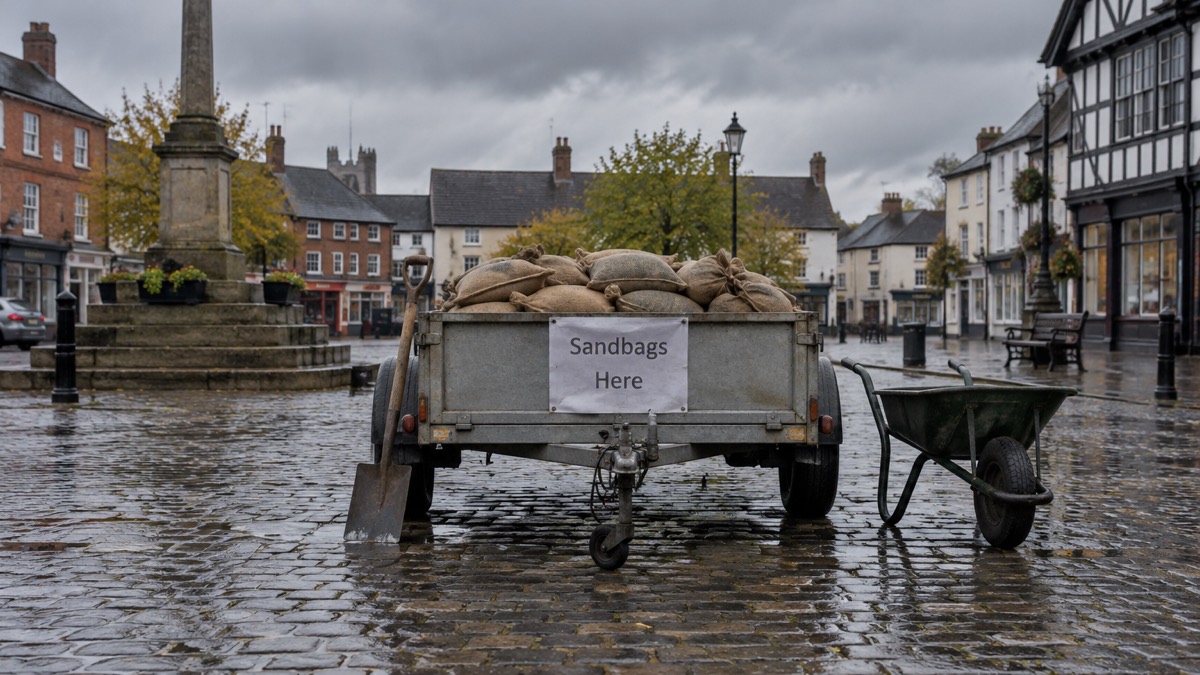
Storm Babet, which ran from 18 to 21 October 2023, brought the third-wettest independent three-day period in a series for England and Wales since 1891, according to the Met Office. The Midlands provisionally recorded its wettest ever three-day period1. In Wales, the storm triggered 46 flood warnings of varying levels in a 48-hour period, and flooding affected approximately 160 properties in Conwy, Denbighshire, Flintshire, Wrexham and Powys2.
Across England, the Environment Agency reported that nearly 100,000 properties were protected as part of its response, while around 2,100 properties flooded. Its flood warning service sent out more than 300,000 messages by email, telephone and text1. The agency later said that during Storm Babet its Flood Warning System recorded its busiest day ever, with more than 5,500 new users registering for warnings and almost 400,000 messages sent in a single day3. Natural Resources Wales issued a severe flood warning, meaning a danger to life, for Llandrinio in Powys, covering the area where the Severn and Vyrnwy rivers meet2.
The Environment Agency's chair, Alan Lovell, said:
"Our work during Storm Babet protected nearly 100,000 properties and we're investing millions into keeping communities safe, but we know that some flooding can't always be prevented."
The agency said it was working to understand if more could be done to protect the flooded properties better in future1. Its figures, published in November 2023, put the number of homes and businesses in England at risk of flooding at around 5.5 million, with around 3.4 million at risk of surface water flooding in particular1. A later national assessment, published in 2024 and updated in August 2026, put the figure at around 6.3 million properties in England at risk from rivers, the sea, surface water or a combination, and said this could rise to around 8 million by mid-century. That assessment attributed much of the change in surface water numbers to improved data and modelling rather than a real-world increase in risk3.
| Measure | Figure | Source |
|---|---|---|
| Properties protected, Environment Agency response to Storm Babet | Nearly 100,000 | 1 |
| Properties flooded, England | Around 2,100 | 1 |
| Properties flooded, Wales (Conwy, Denbighshire, Flintshire, Wrexham, Powys) | Approximately 160 | 2 |
| Flood warning messages sent, Storm Babet | More than 300,000 | 1 |
| Flood warnings issued in Wales, 48-hour period | 46 | 2 |
Why it matters for households
The Environment Agency said that taking steps to prepare for flooding can reduce the damage to a home and its possessions by around 40%, and that the average cost of flooding to a home is estimated at around £30,000, with long lasting mental health impacts1. It advised households to check their long-term flood risk from rivers, the sea, surface water, reservoirs and groundwater, and to sign up for flood warnings by phone, text or email1. Its flood warning system alerts 1.6 million properties directly when flooding is expected, and it holds 250 high volume pumps and is ready to operate flood defences and erect temporary barriers where it can1.
On driving, the agency warned that 30cm of flowing water is enough to float a car, and that drivers should not attempt to drive through flood water1. Tony Rich, former AA Patrol of the Year, advised leaving plenty of space behind other vehicles and adjusting speed to suit conditions, and said drivers should not ignore diversion signs1.
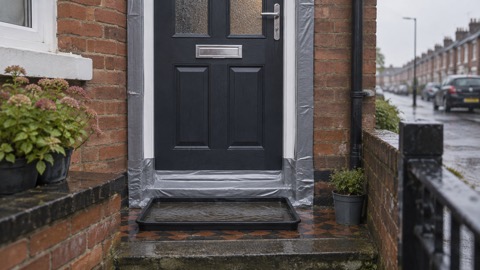
Flood Re, the joint initiative between the government and the insurance industry, launched Build Back Better in 2022 to give householders who have been flooded up to £10,000 to fit resilience measures. Its chief executive, Andy Bord, said measures such as self-closing airbricks, non-return valves and flood resilient doors, or raising electrical sockets and using waterproof flooring, can reduce the cost of repair work by as much as 73% after a major flood1. The Environment Agency's national assessment states that its flood risk data was not developed or tested for insurance underwriting or setting premiums3.
For Wales, Natural Resources Wales estimates 272,817 properties at risk of flooding, approximately 1 in 7, and as of April 2024 put the undefended number at 340,0462. Its network of flood defences benefits 102,000 properties across Wales2. Households can read more in the guide to flooding, on flood alerts, flood warnings and severe flood warnings, on Floodline numbers for England, Scotland and Wales and on home insurance in a flood risk area and Flood Re. For Wales, there is a guide to Natural Resources Wales warnings and risk maps, and for storm conditions the storms and snow section.
What happens next
The Environment Agency said it was making detailed local flood mapping available through GOV.UK digital services from early 2025, with new national flood risk data published on its long-term flood risk checker and on data.gov.uk in early 2025, and its flood map for planning updated in spring 20253. Natural Resources Wales said its updated Flood Risk Management Plan, setting out priorities for the next six years, was published in November 2023, and that a new and updated Flood Warning Service would enter operation in the summer2.
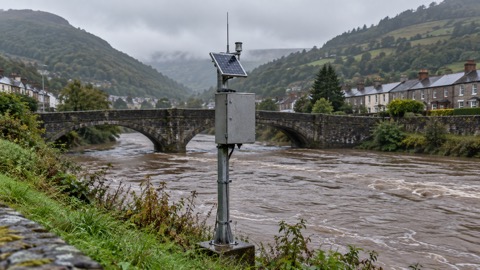 Wales Flood Warnings and Maps