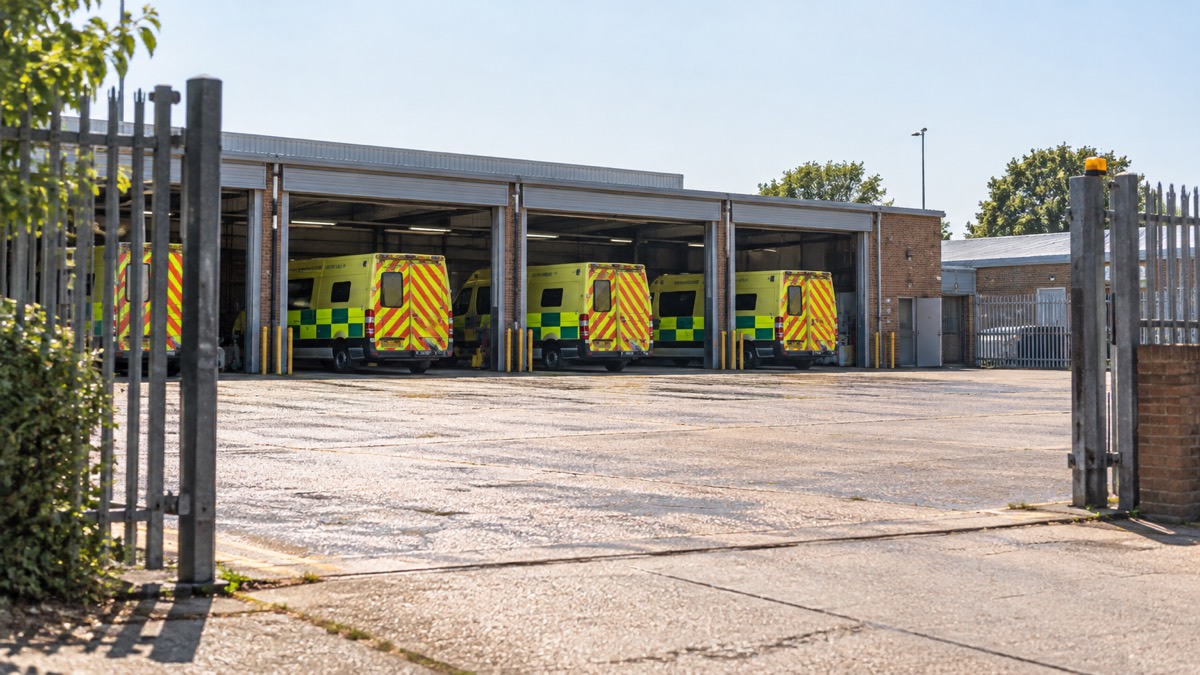
South Central Ambulance Service (SCAS) declared a major incident at 20:00 on 26 June 2026, citing continued pressure despite significant actions taken since it declared a critical incident1. The service said the major incident was stood down at 11:40 on 28 June 2026, moving back to a critical incident1.
SCAS listed the contributing factors as a continued increase in call demand and the acuity of patient needs, increased response times across all categories of calls, and continued pressure on other NHS services, which it said was diverting some demand to it and extending handover times at emergency departments1. Declaring a major incident allowed it to enact a national mutual aid request, with initial support arriving from ambulance services outside the heatwave area, and it said it was extending its work with Local Resilience Forums in Hampshire and Thames Valley1.
Actions the service listed, building on its critical incident response, included calling in additional staff to fill shifts in the coming days, maximising the use of its over 800 volunteer responders, maximising fleet availability across all vehicle types, cancelling non-essential activities for all operational staff, and back-office departments taking on other tasks to help contact centres and road crews1. It also said it was using Hampshire voluntary sector support to help with staff welfare and reviewing how it uses people and vehicles differently to get the most resources on the road1.
Duncan Robertson, Chief Paramedic, said:
"Moving to major incident is a recognition of how difficult the position is. Our teams in contact centres and on the road are doing everything they can to get to people as quickly as possible. But in the last 24 hours the position has unfortunately worsened."
Why it matters for households
The service asked the public to use 999 only for serious and life-threatening issues, to call 111 if unsure and to be ready for it taking a little longer to answer1. It said that if people call 999 it may redirect them to other services or offer over the phone clinical advice only, and asked people to accept that advice and treat its staff with respect1. For people waiting for an ambulance, it asked them to call back only if the patient's condition gets worse or if an ambulance is no longer needed, and said it cannot give estimated arrival times1.
SCAS said the heat is particularly difficult for older people, the very young and people with existing health conditions, and suggested checking in regularly with friends, family and neighbours to help them cope with the heat1. It said people in manual jobs, particularly working outdoors, are also more at risk of heatstroke and heat exhaustion, and that employers need to take people's safety seriously and accommodate for the heat1. It also warned people not to overdo it and to be very careful around water because of the risk of cold-water shock1. The service said it expected the pressure to remain for several days even after the heat starts to subside1.
What happens next
The major incident was stood down at 11:40 on 28 June 2026, with the service moving to a critical incident1. SCAS said it would continue taking all possible actions to return to normal response times as quickly as possible, and asked people to continue to consider alternative options for urgent healthcare and to use 999 only for serious and life-threatening conditions1. No further dated steps have been reported.
For background on what such a declaration involves, see what it means when a major incident is declared; for heat guidance, see the heatwaves and drought hub; and for wider household planning, the UK preparedness hub.
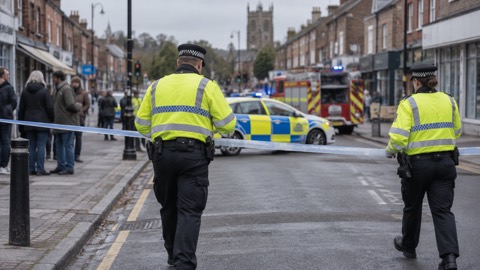 Major Incident Declared





