The Smoke and Carbon Monoxide Alarm (Amendment) Regulations 2022 came into force on 1 October 2022, according to fire and rescue services and the Health and Safety Executive1. The regulations apply to rented homes in England and place duties on landlords in both the private and social rented sectors4.
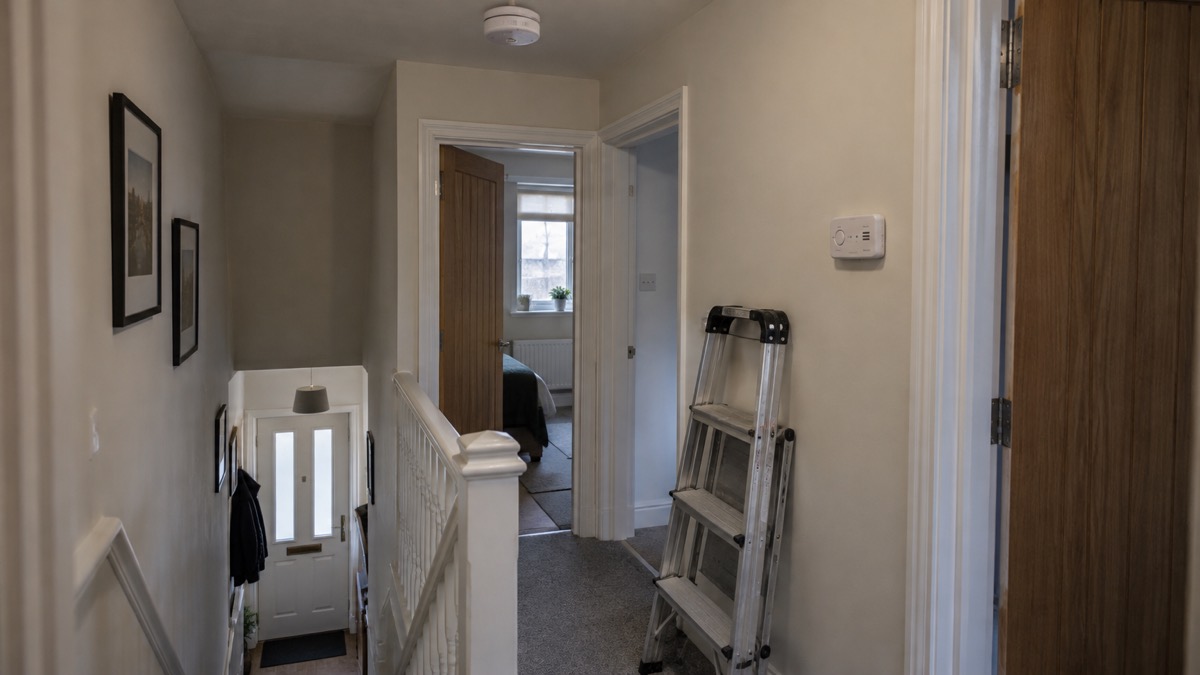
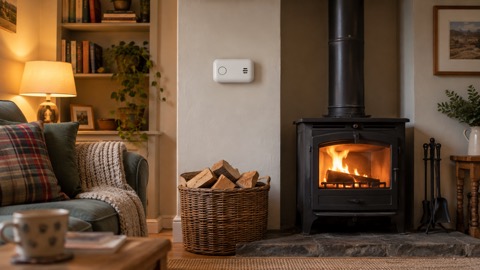
Under the regulations, landlords must install at least one smoke alarm on every storey of a property where there is a room used as living accommodation, a requirement in the private rented sector since 20152. They must also install a carbon monoxide alarm in any room used as living accommodation that contains a fixed combustion appliance, excluding gas cookers2. The amendment added a duty to repair or replace alarms once a tenant or their representative reports them faulty, as soon as reasonably practicable4. Cherwell District Council states that a bathroom or lavatory is treated as a room used as living accommodation for the purposes of the regulations, and that the law applies equally to private and social tenancies4.
Enforcement rests with local authorities. Cheshire Fire and Rescue Service and Staffordshire Fire and Rescue Service state that councils can issue fines of up to £5,000 where a landlord fails to comply2. Cherwell District Council says it will serve a notice requiring working alarms to be installed, carry out works in default if the landlord does not complete them in the allotted time, and may issue a penalty notice of up to £5,0004.
The HSE notes one limit on scope: the regulations do not apply to student halls of residence3. It also states that landlords must have gas appliances they own maintained by a Gas Safe registered engineer and issue a copy of the gas safety record after the annual gas safety check, and that tenants can notify HSE if a landlord does not provide a copy on request3.
"From 1 October 2022, all private and social landlords must ensure that in all of their rented properties there are: smoke alarms on every storey where there is a room used wholly or partly as living accommodation; and carbon monoxide alarms in any room used wholly or partly as living accommodation where a fixed combustion appliance is present (excluding gas cookers)"
On alarm types, Cherwell District Council advises that landlords choose smoke alarms compliant with British Standard BS 5839-6 and carbon monoxide alarms compliant with British Standard BS 50291, following manufacturer instructions, with carbon monoxide alarms generally at head height about 1 to 3 metres from a potential source4. It recommends mains-powered alarms with integral battery back-up installed by a competent electrician, and says that where battery alarms are chosen, sealed-for-life batteries are the better option4.
Why it matters for households
The change affects tenants of private and social landlords in England, including rooms containing a gas boiler, gas fire, log burner or open fireplace, but not gas cookers2. It does not apply to student halls of residence3. For tenants, the practical effect is that a missing or faulty alarm is a matter to raise with the landlord, and councils enforce the duties2. The HSE advises tenants to notify HSE if a landlord does not, on request, provide a copy of the gas safety record3.
Fire services also set out general household alarm advice. Cheshire Fire and Rescue Service states that people are around 10 times more likely to die in a fire without a working smoke alarm, advises testing alarms weekly by pressing the test button for 3 seconds, and says alarms should be fitted on the ceiling, ideally in the centre of rooms, hallways or landings, with a heat alarm in the kitchen instead of a smoke alarm2. It advises that if an alarm sounds and the cause is not known, people should get out, stay out and call 9992. North Yorkshire Fire & Rescue Service advises testing alarms at least once a month and replacing batteries every year where they are removable6. The home emergencies hub covers related household planning, and guidance on siting and choosing units is set out in where to put a carbon monoxide alarm and carbon monoxide alarms: what they do and how to choose.
What happens next
No further commencement date is given in these pages. The regulations took effect on 1 October 2022 and remain in force, with local authorities responsible for enforcement2.
Sources (6)
- Stay Fire Safe - Greater Manchester Fire Rescue Service, manchesterfire.gov.uk
- Smoke Alarms, cheshirefire.gov.uk
- Guidance for students using gas appliances in rented accommodation - HSE, hse.gov.uk
- Smoke alarms and carbon monoxide alarms | Housing Standards | Cherwell District Council, cherwell.gov.uk
- Smoke alarms, staffordshirefire.gov.uk
- Smoke and carbon monoxide alarms - North Yorkshire Fire & Rescue Service, northyorksfire.gov.uk
 Do I Need a CO Alarm