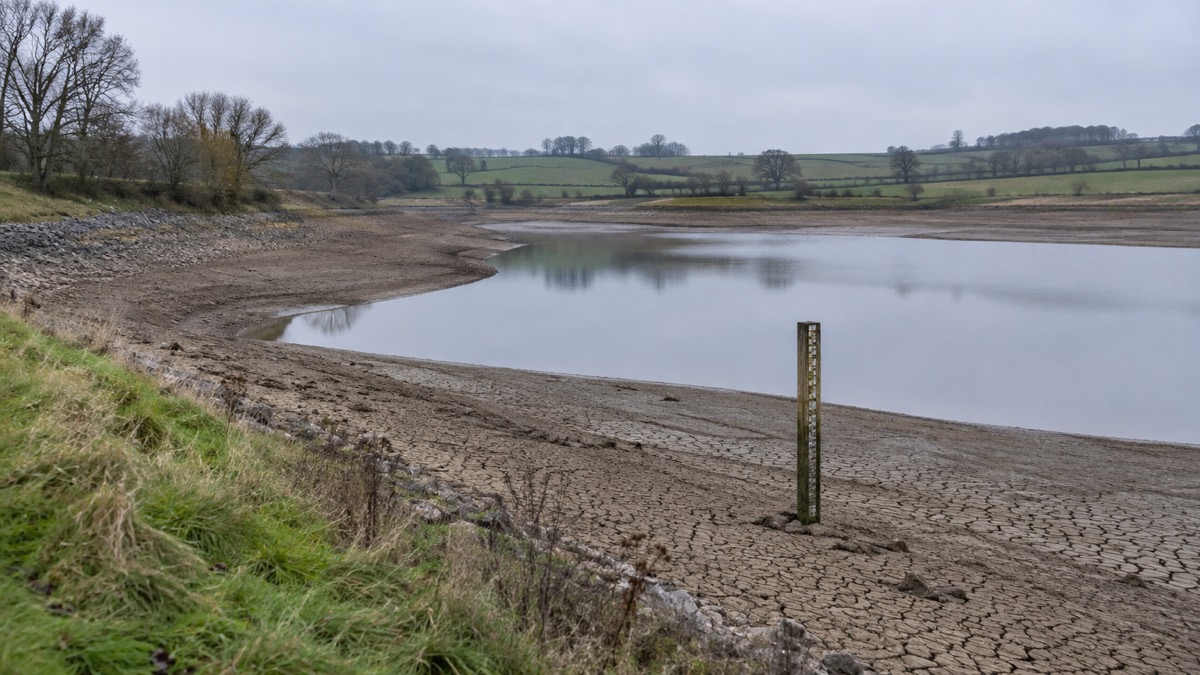
The Scottish Environment Protection Agency (SEPA) published its autumn water situation report for 2025 on 1 November 2025, setting out the risk of water scarcity in the east of Scotland into 2026. The report follows the driest hydrological year, running from 1 October 2024 to 30 September 2025, in eastern Scotland since 19761.
SEPA reports that below-average rainfall over autumn and winter 2024/2025 limited groundwater recharge and increased the risk of drought. Scotland then recorded the hottest March to August period since records began in 1884, and the east of Scotland had its second driest spring in 100 years. Rivers and groundwater levels reached record lows, with several north-east rivers experiencing the highest number of low-flow days recorded in a year1.
Autumn rainfall across most of Scotland was close to the long-term seasonal average. Some coastal and border regions had above-average rainfall, while parts of the north-east and Shetland saw below-average totals. Despite recent rain causing some recovery to groundwater in the east, some monitored boreholes in Fife, Angus and Aberdeenshire recorded the lowest November level on record, across records of between 17 and 30 years. Eastern Scotland has seen below-average rainfall in 9 out of 11 months so far this year, and SEPA states that short-term periods of rain are not enough: above-average rainfall over winter is required to replenish the deficit1. The west and south-west did not experience significant water scarcity this year, with normal to wetter than average conditions following a dry spring1.
| Area | Position reported by SEPA |
|---|---|
| East of Scotland (including Fife, Angus and Aberdeenshire) | Driest hydrological year since 1976; record low November borehole levels; increased water scarcity risk into 2026 |
| North-east and Shetland | Below-average autumn rainfall |
| Coastal and border regions | Above-average autumn rainfall |
| West and south-west | Normal to wetter than average conditions; no significant water scarcity this year |
"Without above average rainfall this winter, there is an increased risk of water scarcity for the east of Scotland into 2026. If conditions are drier than normal, the east of Scotland could experience even more severe drought next year than this."
The Met Office long-term three-month outlook for the UK, cited in the report, shows the chances of a dry or wet season for the UK as a whole close to normal1.
Why it matters for households
The report concerns households in eastern Scotland in particular, where SEPA says water scarcity risk into 2026 is increased without above-average winter rainfall. SEPA states that everyone should plan to increase their resilience to the impacts of prolonged dry conditions, and that taking the right steps now could help reduce the impact of water scarcity in the future1. The report does not set out specific household restrictions or measures; it points to SEPA's advice for abstractors and irrigators, which is aimed at water users who take water from the environment rather than domestic customers1. SEPA monitors and manages water resources in line with Scotland's National Water Scarcity Plan1. No changes to household water supplies have been announced in the report.
What happens next
SEPA's next water situation report will be published in March 2026, at the end of winter, to review the risk of water scarcity into spring next year1. Further detail on the data behind the report, including rainfall, river flows, soil moisture and groundwater and loch storage, is published as supporting information1. Households can read more on drought and heatwaves and on water company drought plans.





