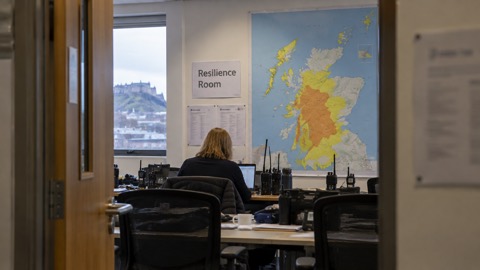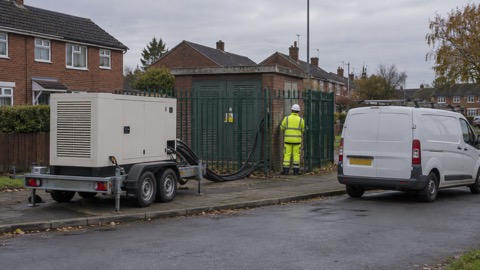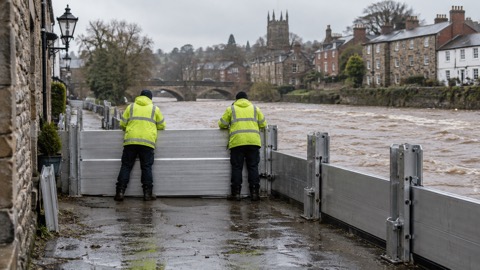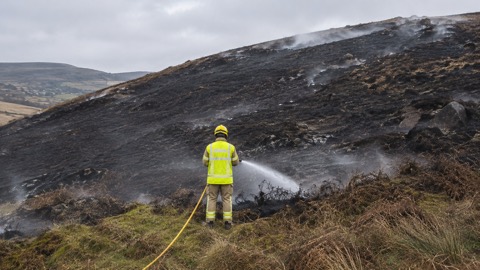
The government published its Resilience Action Plan on 8 July 2025, committing to update Parliament with an annual overview of the UK's resilience1. The first annual statement under that commitment was made on 14 July 2026 by Darren Jones, Chief Secretary to the Prime Minister, Chancellor of the Duchy of Lancaster and Minister for Intergovernmental Relations, alongside an annual update on the implementation of both the Resilience Action Plan and the Biological Security Strategy1.
The statement said the work is informed by the National Security Risk Assessment, and that a version of this document, the National Risk Register, was published the same day, including a summary of all but the most sensitive, classified risks. "95 risks are listed in total," the statement said1. It cited conflict in the Middle East and Russia's war in Ukraine as having exposed vulnerabilities in global energy supply chains and driven up energy prices, and said the increasing sophistication and proliferation of artificial intelligence brings threats too if weaponised by criminals, including novel ways of carrying out hostile cyber attacks against businesses and critical infrastructure1. It also said temperatures across the UK broke records in May, only to be exceeded again in June, and that climate change is exacerbating the spread of high-consequence infectious diseases, citing highly pathogenic avian influenza, Ebola and Andes hantavirus as examples from the last few months1.
On defence, the statement said defence spending will rise to almost £80 billion a year by 2029, described as the biggest sustained boost to defence spending since the Cold War, and that home defence planning has been accelerated, including updating the government War Book1. It said these plans will be tested through the largest UK home defence exercise in several decades in 20271. An Energy Resilience Strategy and a Transport Resilience Strategy are to be published later this year1.
The statement also announced a national resilience public awareness campaign later this year, and launched a Call for Views on the implementation review of the Civil Contingencies Act 20041. On biological security, it listed Exercise Pegasus, the largest Tier 1 pandemic scenario simulation in UK history; a Network of National Biosecurity Centres backed by £1.83 billion; Moderna's new mRNA vaccine manufacturing centre; a new Pandemic Preparedness Strategy supported by an additional £1 billion in health protection measures; and a Biothreats Radar providing real-time data on biological incidents1. It said further commitments aim to ensure that, by 2030, the UK is resilient against a spectrum of biological threats1.
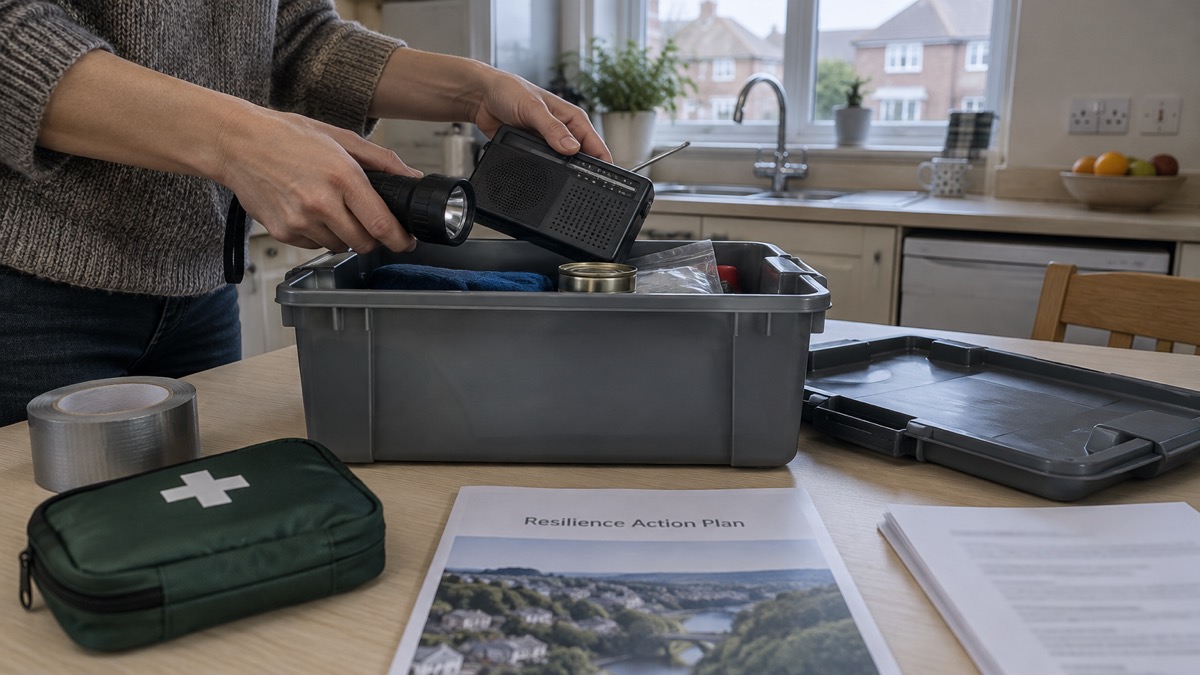
"Today, I can announce that the government will launch a national resilience public awareness campaign later this year, in order to inform the public of the small but important steps they can take to be prepared in case of emergencies and disruption"
| Document published 14 July 2026 | Detail given in the statement |
|---|---|
| Resilience Action Plan: 2026 Implementation Report | Annual update on implementation1 |
| Biological Security Strategy: 2026 Implementation Report | Commitments to 20301 |
| National Risk Register and supplementary guidance | 95 risks listed in total1 |
| Call for Views: Civil Contingencies Act 2004 review | Evidence sought from the resilience community1 |
Why it matters for households
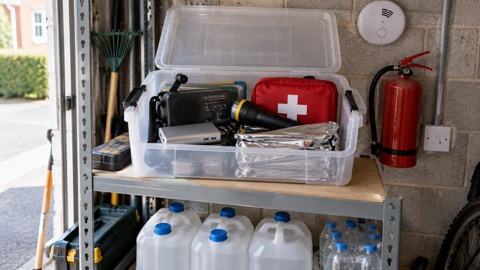
The statement sets out the risks it says households may face, including severe weather and cyber attacks that can affect access to power, water, phone signal or local shops to get food1. It says the government will do all it can but that "we can all play our part to keep ourselves and our loved ones safe", and that the awareness campaign will inform the public of the small but important steps they can take to be prepared1. The campaign has been announced for later this year; no launch date has been reported. The statement also says the Civil Contingencies Act 2004, which has supported a consistent, cooperative approach to emergency preparedness and response across the UK for over two decades, must keep pace with future challenges, and that the Call for Views will gather evidence on where it may need updating1. The UK Government Resilience Framework and Action Plan page sets out the structure behind these documents, and the Be Ready: The National Resilience Campaign page covers the public awareness campaign. The uk-preparedness hub is the starting point for household planning.
What happens next
An Energy Resilience Strategy and a Transport Resilience Strategy are to be published later this year, and the national resilience public awareness campaign is to launch later this year1. The largest UK home defence exercise in several decades is planned for 20271. The Call for Views on the Civil Contingencies Act 2004 implementation review is open, with evidence sought from across the resilience community1.
Sources (1)
- Written statements - Written questions, answers and statements - UK Parliament, questions-statements.parliament.uk
 UK Resilience Framework