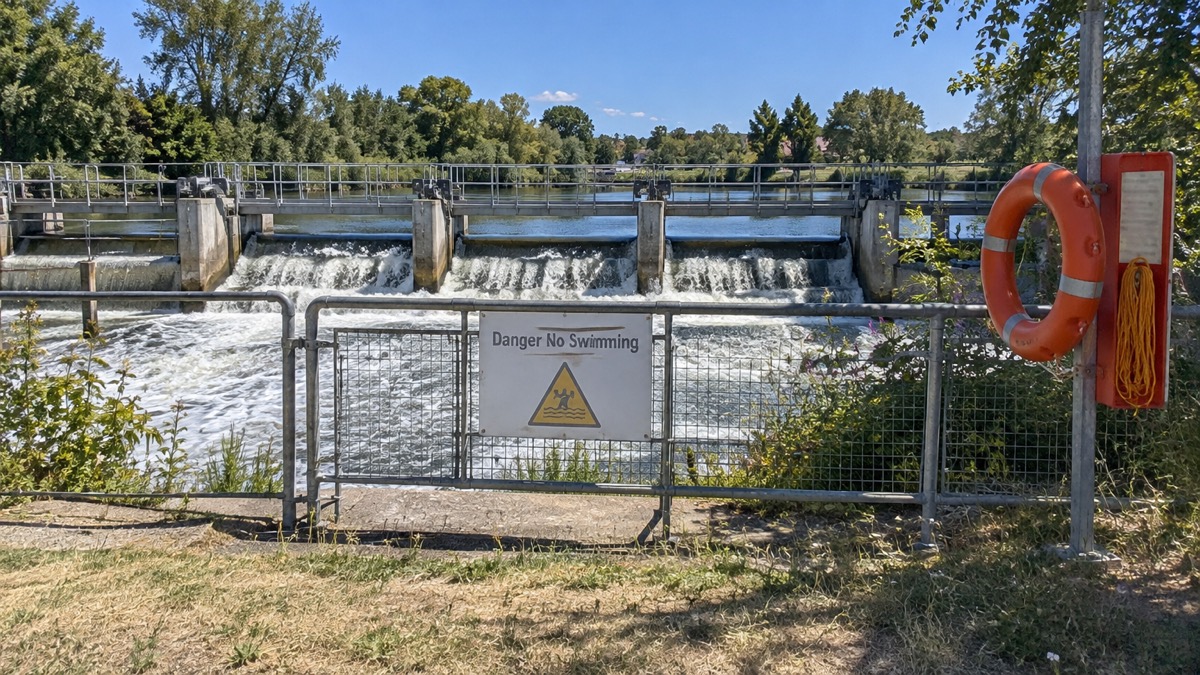
The National Water Safety Forum (NWSF) has released research, including analysis by the Royal Life Saving Society UK (RLSS UK), showing a relationship between warmer weather in the UK and increases in accidental drowning deaths1. The findings were published by RLSS UK on 30 July 2024, as hot weather arrived1. A second, independent study by Bournemouth University reached the same conclusion, that significantly more people lose their lives to accidental drowning in the UK during periods of hot weather1.
Dr Sam Hills, from Bournemouth University, set out the figures: when UK average maximum air temperatures reach or exceed 25°C, there is a fivefold increase in accidental drowning risk compared with days averaging 10°C, and three times as many accidental drowning fatalities occur on days at or above 25°C compared with the seasonal average1. RLSS UK's analysis found that 57% of those who accidentally drowned on days exceeding 25°C were swimming, almost three times the average, against 20% of all accidental drownings1. During peak temperatures, the findings conclude that teenagers and young adults are proportionately more likely to lose their lives1. Both research teams worked with the Met Office to use its data combined with fatality data from the NWSF's Water Incident Database (WAID)1. The Bournemouth University study has been published in the journal Preventative Medicine1.
"These findings are alarming and reinforce the importance of knowing how to enjoy the water safely, as every year we hear about preventable tragedies in open water when temperatures rise."
Ross MacLeod, RNLI Water Safety Manager, said people's behaviour changes during warmer weather, with many heading to open water sites to cool off1. He said: "The best way to keep yourself and others safe is to visit supervised locations and know what to do in a water emergency"1. Chris Walsh, Met Office Head of Warnings and Guidance, said being prepared and aware of the dangers during hot weather is the best way of keeping everyone safe, and that it is important everyone knows the advice from RLSS UK and RNLI about what to do if they get in trouble in the water1.
| Measure | Figure |
|---|---|
| Increase in accidental drowning risk at 25°C or above, compared with 10°C days | Fivefold1 |
| Accidental drowning fatalities on days at 25°C or above, compared with seasonal average | Three times as many1 |
| Share of those who drowned on days above 25°C who were swimming | 57%1 |
| Share of all accidental drownings who were swimming | 20%1 |
Why it matters for households
The research concerns days when UK average maximum air temperatures reach or exceed 25°C, the conditions covered in the site's heatwaves and drought pages. RLSS UK says the insight is being shared ahead of coming periods of hot weather to encourage people to have the water safety conversation with loved ones, particularly teenagers and young adults, about staying safe near water and knowing to call 999 in an emergency1. The RNLI's water safety manager advises visiting supervised locations and knowing what to do in a water emergency1. The site's guide to swimming safely in rivers, lakes and the sea in hot weather covers related precautions.
What happens next
No further dates have been reported. RLSS UK directs people seeking further support to call 0300 323 00961.
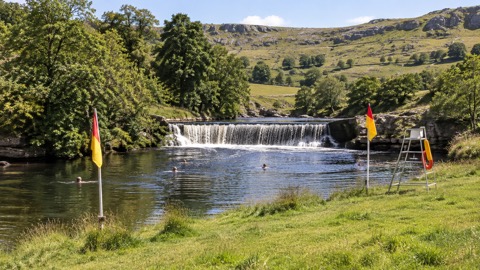 Swimming Outdoors Safely





