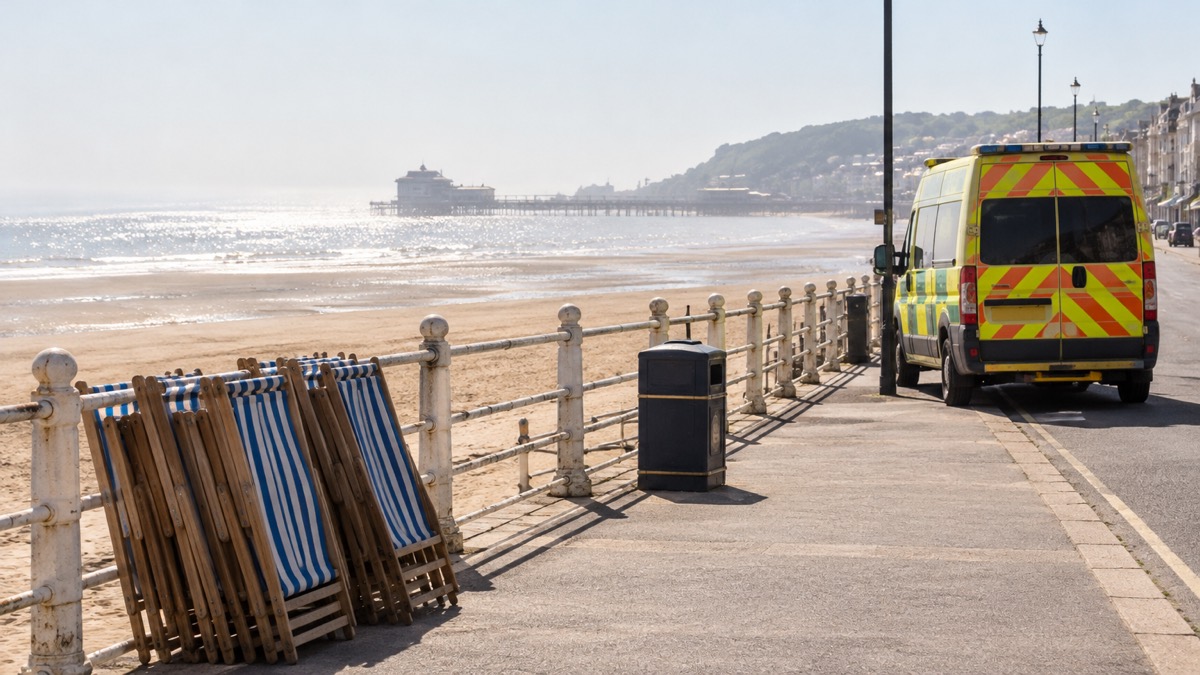
The UK recorded its hottest day of the year so far on Tuesday 30 July 2024, NHS England said, with yellow heat health alerts in place for millions of people until Friday 2 August1.
NHS England, which runs the nhs.uk website, reported that visits to the NHS heat exhaustion advice page reached 21,112 on 29 and 30 July, compared with 7,838 over the weekend of 27 and 28 July, an increase of 169 per cent1. Searches peaked on Tuesday with 11,986 visits, which NHS England described as an average of one visit every seven seconds1.
The NHS set out the signs of heat exhaustion as tiredness, dizziness, headache, feeling sick, sweating or clammy skin, cramps, fast breathing or heartbeat, a high temperature, being very thirsty and feeling weak1. It said heat exhaustion does not usually need emergency medical help if the person can cool down within 30 minutes, but that heatstroke needs to be treated as an emergency1. The NHS advises moving someone showing signs to a cool place, removing unnecessary clothing, giving them a rehydration drink or cool water and cooling their skin with water, a fan or cold packs wrapped in a cloth, and to call 999 if their condition does not start to improve after 30 minutes of resting in a cool place1.
Chief Nursing Officer for England Duncan Burton said:
"We've seen a considerable increase in the number of people coming to the NHS website for heat-related health advice."
He added that the site includes advice on how to stay cool, the symptoms of heat exhaustion, what to do if someone is affected and when to seek medical advice, and that people should continue to use 999 in life-threatening emergencies and NHS 111 via the NHS App, online or by phone for other health concerns1. NHS England said the NHS website is the UK's biggest health website, with an estimated 2.1 million visits a day in 2023, over 4,000 pages and information on 990 medical conditions1.
Why it matters for households
The yellow alerts covered millions of people until Friday 2 August, so the period of elevated risk ran through the working week rather than ending with the hottest day1. NHS England reported the sharp rise in demand for heat exhaustion guidance over 29 and 30 July, the two days spanning the peak1. Its advice draws the line between heat exhaustion, which it says does not usually need emergency medical help if the person can cool down within 30 minutes, and heatstroke, which it says needs to be treated as an emergency1. The NHS urged the public to use services as they normally would, with NHS 111 for urgent needs and 999 for emergencies1. The heat-health alerts guide explains what the yellow, amber and red levels mean, and households can read about how to sign up for heat-health alerts. The wider context of why UK summers are getting hotter and drier is covered in the heatwaves and drought section.
What happens next
The yellow heat health alerts were stated to be in place until Friday 2 August1. NHS England published its update on 1 August 20241. No further alert levels or dates beyond Friday have been reported.
 Heat-Health Alerts Explained
 Why UK Summers Are Hotter





