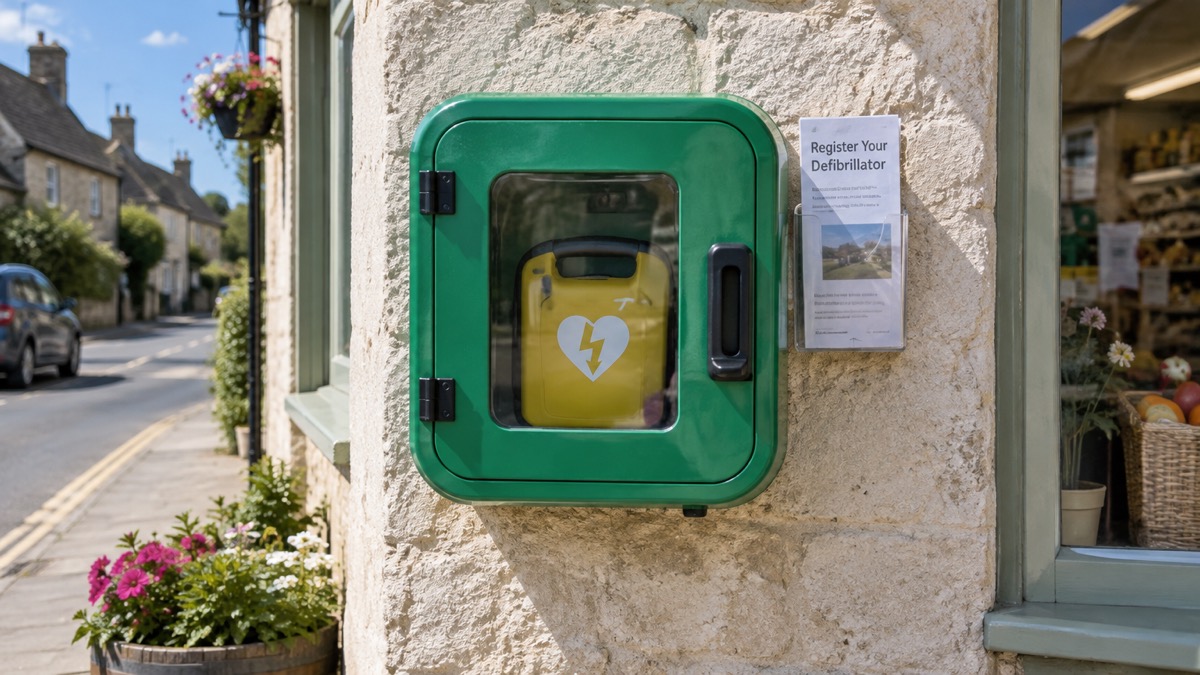
The British Heart Foundation, Resuscitation Council UK, St John Ambulance and the Association of Ambulance Chief Executives called on defibrillator guardians to register their devices on The Circuit, the national defibrillator network, in a push published on 15 July 2022 to take the number of mapped devices past 50,0001. Over 46,000 defibrillators had been added to the database at that point1.
The 50,000 mark would represent half of the estimated 100,000 defibrillators in the UK being registered on The Circuit1. The organisations said tens of thousands of defibrillators remained unknown to ambulance services, meaning emergency services cannot direct bystanders to them in the event of a cardiac arrest1. They are aiming to see at least 20,000 more defibrillators unknown to The Circuit registered by the end of 2022, bringing the total to around 70,0001.
The Circuit is live in 13 of the 14 ambulance service areas across the UK, with London the exception; the London Ambulance Service is due to connect soon1. Guardians in London can register their devices in advance, ready for when it connects1. Registration is free, needs to be done only once, and guardians looking after more than one device can register multiple defibrillators1.
The BHF reports more than 30,000 out-of-hospital cardiac arrests every year in the UK, with fewer than one in 10 people surviving, and public access defibrillators used in less than one in 10 cases1. It says immediate CPR and defibrillation can more than double the chances of survival1. Resuscitation Council UK puts the increase in survival chance from immediate bystander CPR and defibrillation at two-to-threefold1.
"We're tantalizingly close to a major milestone of 50,000 defibrillators mapped on The Circuit, and we'll need the help of every defibrillator owner in the UK to help us to smash that target."
Why it matters for households
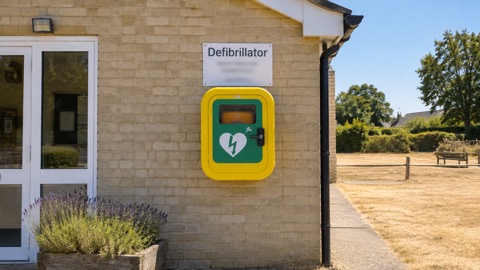
The Circuit's purpose is to map all public access defibrillators so that, when someone has a cardiac arrest, 999 call handlers can direct bystanders to the nearest registered defibrillator while they wait for the ambulance to arrive1. A device that is not registered is not visible to ambulance services in that way1. The appeal covers defibrillators kept in offices, communities, shopping centres and leisure centres as well as in public places1. The BHF describes the database as vital to saving thousands of lives over the coming years, and says it works effectively only if as many defibrillators as possible are registered1. The site's guide to public access defibrillators explains how to find the nearest one, and its guide to registering and looking after a village defibrillator on The Circuit covers registration and upkeep. Background on how calls are handled is in the guide to how ambulance services prioritise 999 calls and response times, within the first aid and community sections.
What happens next
The London Ambulance Service is expected to join The Circuit soon, completing coverage of all 14 ambulance service areas1. The four organisations are seeking at least 20,000 further registrations by the end of 2022, for a total of around 70,0001.
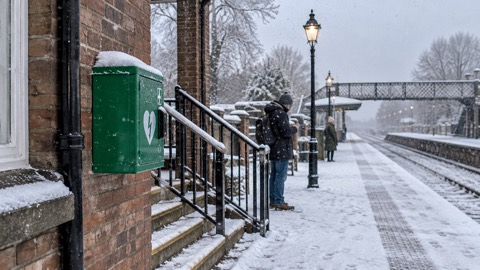 Public Access Defibrillators
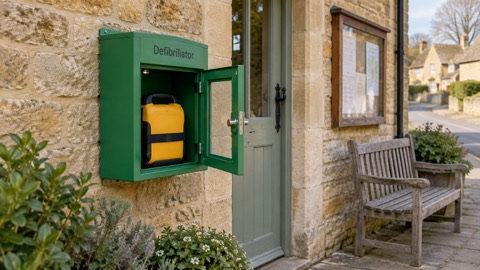 Registering and Looking After a Village Defibrillator on The Circuit