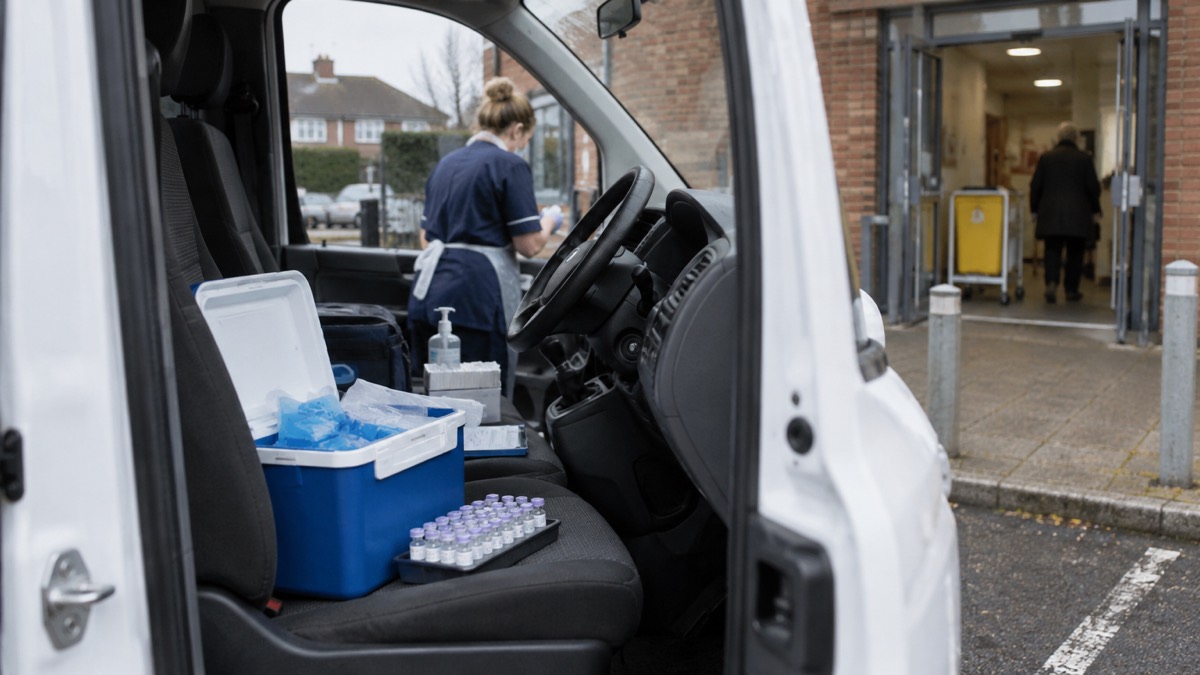
The Public Health Agency (PHA) in Northern Ireland has brought forward the start of this year's autumn flu and COVID-19 vaccination programmes to 18 September 2023, it announced on 31 August 2023. The PHA described the move as a precautionary measure following the identification of a new COVID-19 variant1.
The variant, BA.2.86, was first detected in the UK on Friday 18 August1. The PHA said that while BA.2.86 is not currently classified as a variant of concern, advice from the UK Health Security Agency (UKHSA) suggests that starting the autumn vaccine programme sooner will deliver greater protection, supporting those at greatest risk of severe illness and reducing the potential impact on the health and social care system1. The PHA and the Department of Health work with UKHSA as part of UK-wide monitoring of the virus and variants1.
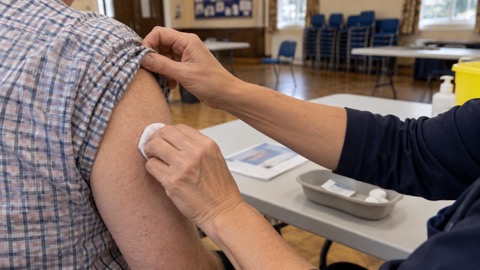
The programme is now due to commence on 18 September, starting with residents in care homes, who the PHA described as some of the most vulnerable members of the community1. The PHA listed the groups offered the COVID-19 booster in line with JCVI guidance, and separately those eligible for the HSC flu vaccine in 2023/241.
| COVID-19 booster | Flu vaccine 2023/24 |
|---|---|
| Residents in a care home for older adults | All preschool children aged two to four years on 1 September 2023 |
| All adults aged 65 years and over | All primary and secondary (up to and including year 12) school children |
| Persons aged 6 months to 64 years in a clinical risk group, as laid out in the Immunisation Green Book, COVID-19 chapter | Those aged six months to under 65 years in clinical risk groups, as defined by the influenza chapter in Immunisation against infectious disease |
| Frontline health and social care workers | All those aged 65 years and over on 31 March 2024 |
| Persons aged 12 to 64 years who are household contacts of people with immunosuppression | Pregnant women |
| Persons aged 16 to 64 years who are carers and staff working in care homes for older adults | Those in long-stay residential care homes; carers; close contacts of immunocompromised individuals; frontline health and social care workers |
Dr Joanne McClean, Director of Public Health at the PHA, said there was no change to the wider public health advice at this time, but that the steps people can all take to reduce spread still apply1.
"The risk of catching or passing on COVID-19, flu or other respiratory infections is greatest when someone who is infected comes into close proximity with other people or shares an enclosed or poorly-ventilated space with them."
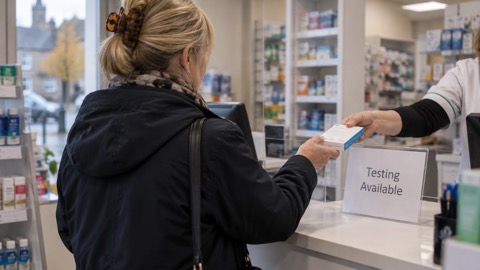
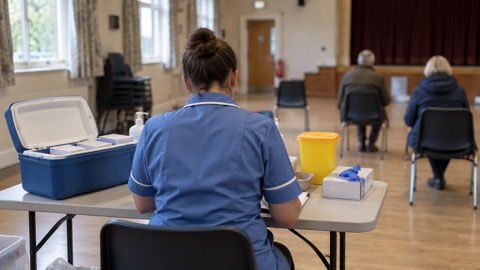
The PHA advised that people with symptoms of a respiratory infection avoid coming into unnecessary contact with other people to reduce the risk of infecting them, "catch it, bin it, kill it" by carrying tissues, using them to catch a cough or sneeze, and disposing of them immediately, and wash their hands thoroughly and regularly with soap and water and use hand sanitiser1. It said that although widespread COVID-19 testing is no longer available, it is important to be aware of symptoms that could be caused by COVID-19 infection so people can exercise caution and take action to reduce the risk of spreading it to other people, some of whom might be particularly vulnerable1. People eligible for vaccination should make themselves aware of their own GP surgery's or community pharmacist's vaccination arrangements and work with them to get vaccinated, the PHA said1.
The PHA said COVID-19 infections reduced to a low level in Northern Ireland during early summer 2023, and that at the end of June and in early July the number of hospital admissions with COVID-19 was at the lowest level since June 2021. Admissions have risen again in recent weeks but remain at relatively low levels compared with the last two years, although they may rise further1. Dr McClean said there is no evidence at present of any recent changes having resulted in greater transmissibility or more serious infection1.
Why it matters for households
The change affects households in Northern Ireland with members in the eligible groups above, who will be offered vaccination from 18 September rather than the original October start. The PHA said the decision followed UKHSA advice that starting sooner will deliver greater protection for those at greatest risk of severe illness1. The PHA's wider public health advice is unchanged, and its guidance on respiratory symptoms, tissues and hand hygiene applies to the coronavirus strains currently in circulation or emerging1. Households can read more about the vaccines on offer in our guide to vaccines that protect against outbreaks, and about the UK-wide monitoring role of the UK Health Security Agency. Our health emergencies hub covers the wider range of alerts, and households dealing with a positive test can check how long to stay at home after a positive COVID test.
What happens next
The programme is due to commence on 18 September 2023, starting with care home residents1. The PHA said the latest data on variant detections are published weekly in the COVID-19 Epidemiological Bulletin for Northern Ireland1.
 Vaccines Against Outbreaks