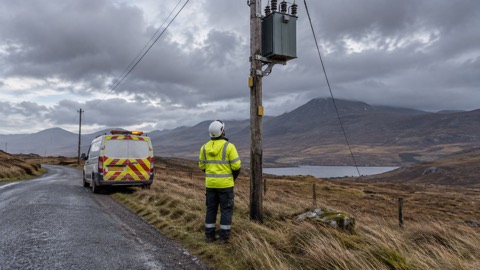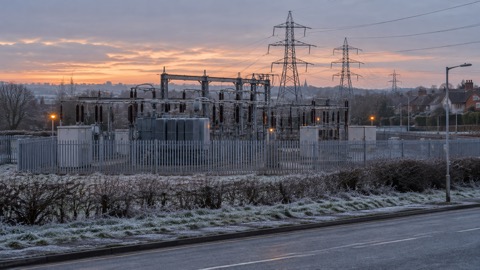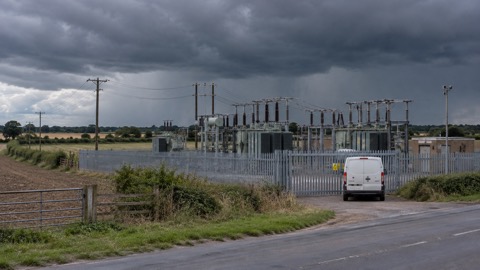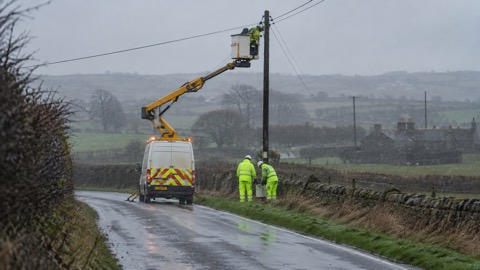
NIE Networks, the electricity network operator for Northern Ireland, has said its Emergency Response Plan was activated for Storm Éowyn and remained in effect from 23 January until power was restored to all homes and businesses1. The plan comes into effect when weather forecasts indicate that severe weather is likely, and it suspends normal activities and alerts the company and its partner organisations to the need for additional resources1.
Under the plan, NIE Networks directs resources to Local Incident Centres in the areas affected. For Storm Éowyn it expanded its contact centre into a second location in Belfast to increase the number of calls it could receive from people who had lost power1. The company brought 420 people from partner network companies in Europe, the UK and Ireland to Northern Ireland to help restore supplies1. It says its first priority is to send crews to damage affecting critical national infrastructure such as hospitals, airports and water pumping and treatment sites, and it then prioritises restoring power to the largest number of homes and businesses1.
NIE Networks states that Storm Éowyn passed the threshold in its licence for a severe weather event, which it defines as one where the number of high-voltage faults is 13 times higher than the daily average. Because the storm went over that threshold, the guaranteed standards do not apply and customers cannot claim compensation for it1. The company says it told the Utility Regulator that the storm met the threshold and that it was exempt from normal standards of service as it was not reasonably possible to restore supplies within the specified timescale1. It notes that since 2023 network companies in England, Scotland and Wales have had a scheme to pay severe-weather compensation, paid for by electricity customers1.
"We put our Emergency Response Plan was in effect from 23 January until power was restored to all homes and businesses."
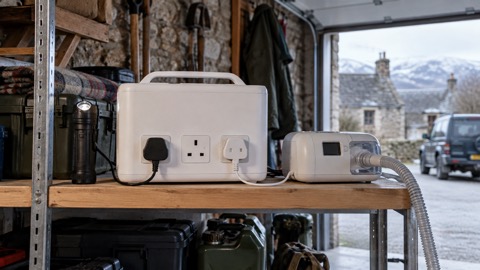
The company says 966,000 properties are connected to its network and 27,000 properties are currently on its Medical Customer Care Register1. It states that it will not provide a generator for a property during severe weather events, and that households on the register should have plans in place for losing power1.
Why it matters for households
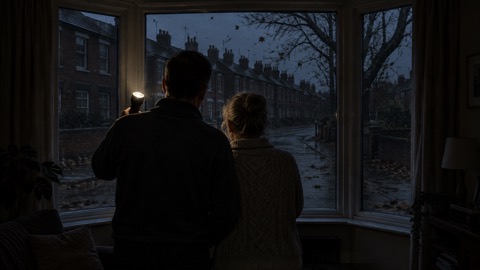
Households across Northern Ireland connected to the NIE Networks system were affected for the duration of the plan, from 23 January until supplies were restored. The company's published guidance covers what happens during an outage and what it says customers can expect.
On food, NIE Networks says a refrigerator will keep food cold for about four hours if the door is kept closed, and a full freezer will hold temperature for about 48 hours, or 24 hours if half-full1. It says it is unable to pay to cover freezer contents and points customers to their home insurance provider1. Compensation for a loss of supply of more than 24 hours does not apply where the cause was a severe weather event, and the company states that compensation will not be paid following Storm Éowyn1.
On safety, the company says people should never approach broken lines or damaged poles, and should report a dangerous situation on 034576436431. It advises customers to check their trip switch, to see whether neighbours are also without power, and to check its Powercheck map before reporting a fault online or by WhatsApp1. It also advises anyone relying on electricity for medical support equipment to join its Critical Care Register1. The register is a service to give people up-to-date information during a power cut or planned interruption; the company says it can prioritise restoring power to registered properties and recognises their phone numbers when they call1.
The company's guidance on protecting equipment includes fitting surge protection devices to sensitive appliances, unplugging items during an interruption, and, for businesses, fitting an Uninterruptible Power Supply or similar device. It says protection devices should meet National Standards set by the British Standards Institution, and that installations, appliances, fuse boards and wiring should comply with BS 7671, with alterations made by an electrical contractor who is a member of a recognised regulatory body1.
Households can read more on how Northern Ireland's network is run and how to report a fault, on what happens to the electricity network in storms, on planning for an outage at home, on checking that a caller from the network is genuine, on relying on medical equipment that needs electricity and on how long restoration can take.
What happens next
NIE Networks has not reported any further dated steps beyond the closure of the Emergency Response Plan once power was restored to all homes and businesses1. Its published guidance states that customers who suffered loss or damage as a result of the storm should contact their insurer, and that the company can send a letter confirming that a property was without power as a result of the storm to support a claim1. It suggests that customers without insurance, or whose insurer says they are not covered, speak to an independent advice provider such as Advice NI or the Consumer Council for Northern Ireland1.
 Northern Ireland Power Cuts
 Storms and the Electricity Grid
 Household Emergency Plan