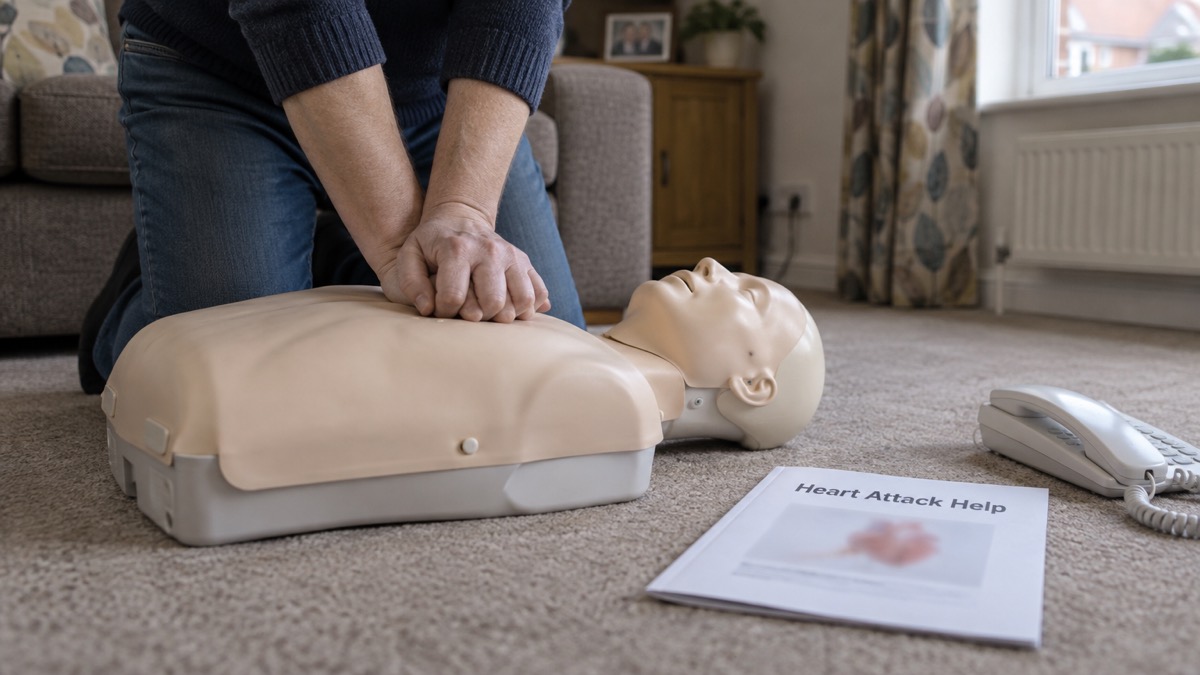
NHS England launched a lifesaving campaign on 15 August 2023 to encourage people to call 999 when they are having early signs of a heart attack1. From this week, an NHS advert is running that encourages people to call 999 as soon as they experience symptoms such as squeezing across the chest, sweating and a feeling of uneasiness1.
NHS figures show there were more than 84,000 hospital heart attack admissions in England during 2021/22, up by more than 7,000 on the previous year, when fewer people came forward for care during the pandemic1. The campaign will teach people about the common signs of a heart attack that are often dismissed or ignored, and will also seek to raise awareness of heart attack symptoms amongst women1. Around 30,000 women are admitted to hospital following a heart attack each year in the UK, and women's risk increases after the menopause1.
NHS research cited in the announcement found that 70% of those surveyed understood that pain in the chest is a symptom of a heart attack, but just 41% knew sweating was a symptom and only 27% understood that feeling weak, lightheaded or a feeling of general unease were also symptoms1. Around 7 in 10 people survive a heart attack, increasing to more than 9 in 10 for those who reach hospital early to receive treatment1.
Professor Nick Linker, cardiologist and NHS national clinical director for heart disease, said:
"Every moment that passes during a heart attack increases heart muscle damage and nearly all of the damage takes place within the first few hours, so if you experience symptoms such as a sensation of squeezing or tightness across the chest alongside sweating, nausea, or a sense of unease, please call 999 so you have the best chance of a full recovery"
The announcement sets out the difference between the two conditions. A heart attack occurs when the supply of blood to the heart becomes blocked, which can starve it of oxygen and potentially cause serious muscle damage; the person will be conscious and breathing. A cardiac arrest is different: it usually occurs suddenly and without warning, with the person quickly losing consciousness, and a heart attack can lead to a cardiac arrest1.
| Measure | Figure |
|---|---|
| Hospital heart attack admissions, England, 2021/22 | More than 84,0001 |
| Increase on previous year | More than 7,0001 |
| Survival, heart attack overall | Around 7 in 101 |
| Survival, reaching hospital early for treatment | More than 9 in 101 |
| Women admitted to hospital after a heart attack, UK, each year | Around 30,0001 |
| Surveyed who knew chest pain is a symptom | 70%1 |
| Surveyed who knew sweating is a symptom | 41%1 |
| Surveyed who knew weakness, lightheadedness or unease are symptoms | 27%1 |
Why it matters for households
The campaign is aimed at the general public in England, and at women in particular, because symptoms other than chest pain are less widely recognised1. NHS England says people's chances of surviving a heart attack are far higher if they seek care earlier, and that nearly all the damage takes place within the first few hours1. The campaign's message is that people who experience a sensation of squeezing or tightness across the chest alongside sweating, nausea or a sense of unease should call 9991. Dr Charmaine Griffiths, chief executive at the British Heart Foundation, said even symptoms that do not seem severe should prompt a 999 call, adding: "A heart attack is a medical emergency and immediate action could save your life"1. The site's guide on when to call 999 and its page on what to do if someone is having a heart attack set out the steps for households; the first-aid hub and staying-informed hub carry the wider material, including how to tell a cardiac arrest and a heart attack apart.
What happens next
The advert began running in the week of the announcement; no end date for the campaign has been reported1. The government said the campaign builds on work to tackle cardiovascular disease early, including a new digital NHS health check, which it said could prevent hundreds more strokes and heart attacks1.
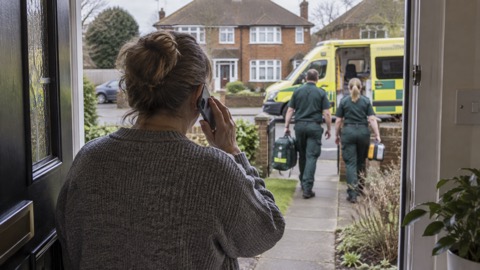 When to Call 999
 Heart Attack First Aid