Central East ICB published health advice on 11 August 2026 for residents in areas affected by wildfire smoke, setting out the symptoms to expect, the groups at higher risk and how to get medication and medical help1. The advice was issued under the heading "Wildfire smoke: health advice for residents in affected areas"1.
The board says smoke from wildfires can have temporary ill effects on health, "including coughing, shortness of breath, and irritation of the eyes, nose and throat"1. Other possible symptoms listed are dizziness, confusion and nausea1. It states that for most people symptoms improve quickly once they move indoors and away from the smoke, but that symptoms may not appear immediately and can develop over the following days, so it is important to remain vigilant1.
The board names the groups it considers more susceptible to the effects of wildfire smoke: "including young children, older adults, pregnant women, and those living with long-term lung or heart conditions"1. For people in these higher risk groups it says "it is advisable to stay indoors where possible, keeping windows and doors closed, and to avoid exercising outside"1. If a home becomes too hot, the advice is to move to the coolest room available, drink plenty of fluids and wait until the smoke has cleared before opening windows1.
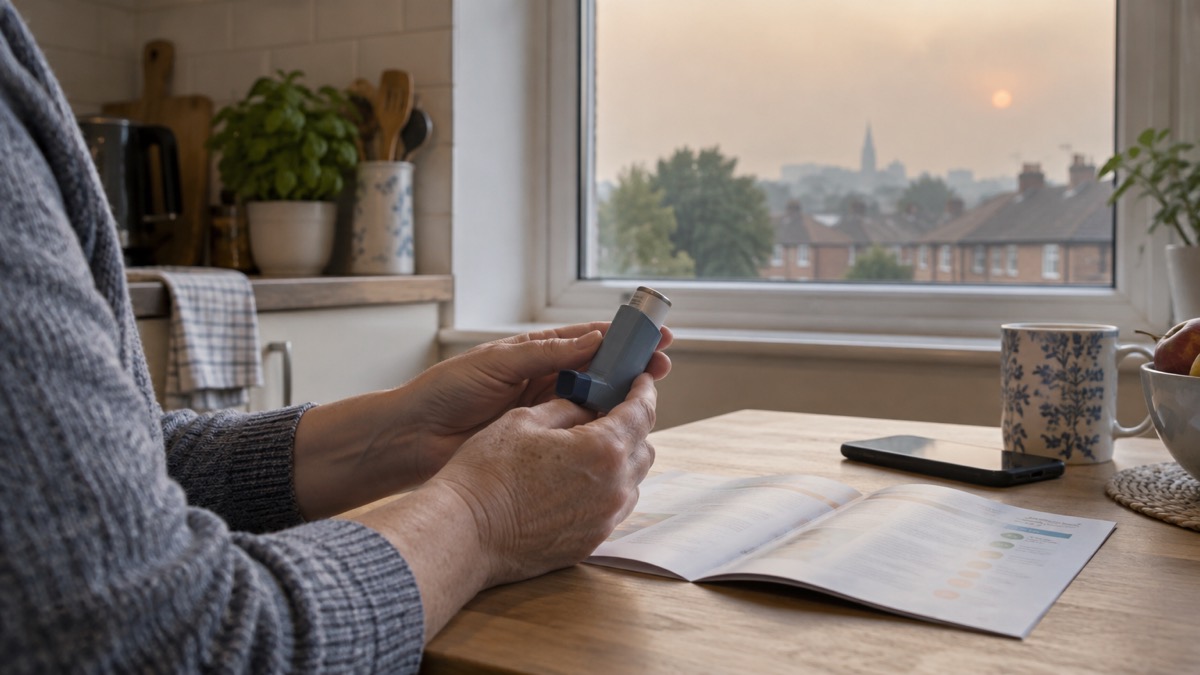
"Anyone living with a lung condition such as asthma or chronic obstructive pulmonary disease (COPD) should follow their escalation plan."
The board adds that prescribed medicines and inhalers should be kept readily available and that preventer inhalers should continue to be used daily as directed1. Anyone unsure whether to begin a rescue pack is advised to seek advice from their GP or pharmacist before doing so1.
On medication, the board says: "If you are unable to access your repeat prescription medication, visit NHS 111 online to request an emergency supply"1. It describes this as usually the quickest option and says it will direct people to a pharmacy that can assist; those who cannot access the internet are advised to call NHS 1111. Anyone needing medical advice is directed to NHS 111 or their GP practice, and the board states: "If you experience severe breathing difficulties or have a medical emergency, call 999 or attend the emergency department at your local hospital"1.
Why it matters for households
The advice applies to households in the areas affected by wildfire smoke, which the board does not list in the published guidance1. It sets out what households in those areas can expect: symptoms that may be delayed by several days, and a higher risk for young children, older adults, pregnant women and people with long-term lung or heart conditions1. For those groups the board's position is that staying indoors with windows and doors closed and avoiding exercise outside is advisable, with a move to the coolest room and plenty of fluids if the home becomes too hot1. People with asthma or COPD are directed to their escalation plan and to keep medicines and inhalers available1. Households that cannot obtain repeat prescriptions are directed to NHS 111 online for an emergency supply, or to the phone line where there is no internet access1. The board's advice on heatwaves and drought sits alongside its wider health emergencies guidance, and the UK Health Security Agency publishes alerts and outbreak advice for local teams1.
What happens next
No further dates or updates have been reported1. The board's guidance says symptoms can develop over the following days and that people should remain vigilant1.
Sources (1)
- Wildfire Smoke Health Advice | Central East ICB, centraleast.icb.nhs.uk





