The National Audit Office (NAO) published a report on 15 November 2023 finding that the government's capital funding for flood defences in England is forecast to deliver protection to far fewer properties by 2027 than was promised when the programme was launched1. The report also found that, for the lack of £34 million in annual maintenance funding for 2022-23, more than 200,000 properties are at increased risk of flooding1.
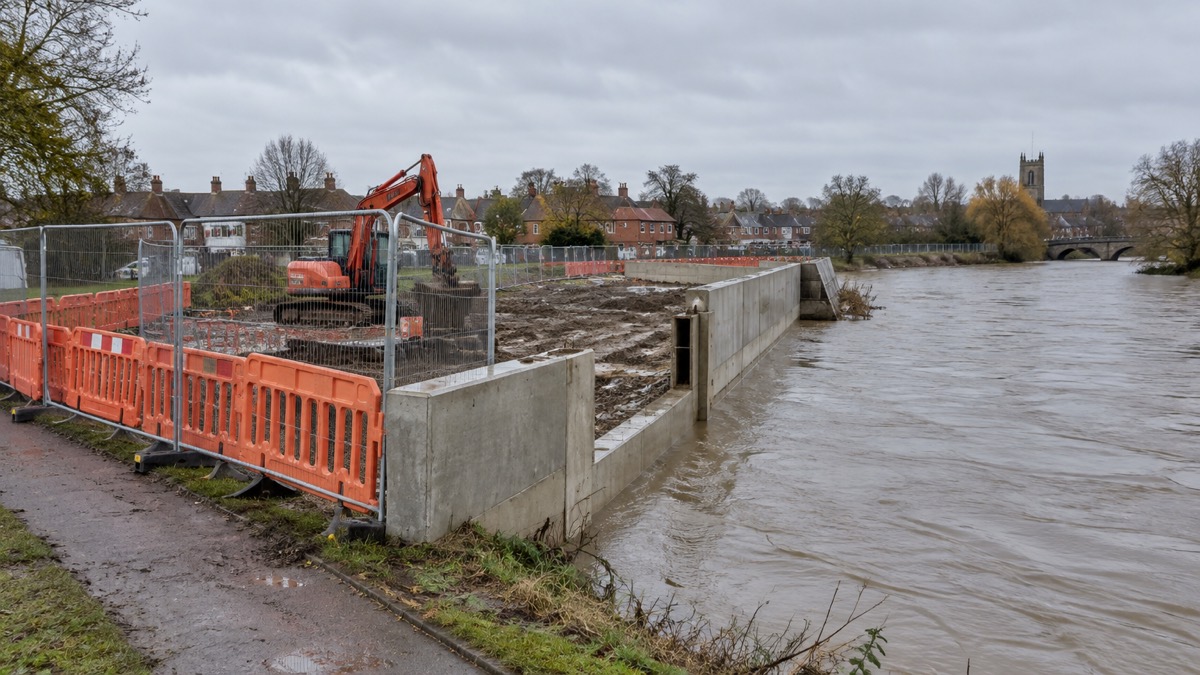
The government has doubled its capital funding in England for the six years to 2027, with £5.2 billion allocated to the programme1. The NAO found that the Environment Agency (EA) underspent by £310 million in the first two years, and will need to achieve record levels of investment in the remaining four years to spend the full amount1. The NAO warned that value for money could be further eroded if projects are accelerated or new projects introduced too quickly to meet that level of investment1. It added that neither Defra nor the EA assessed whether using some of the underspend to meet the maintenance shortfall in 2022-23 would have provided better value for money than deferring it1.
The EA estimates that approximately 5.7 million properties in England were at risk from flooding in 2022-23, an increase of around 500,000 between 2021-22 and 2022-231. The EA reports that this is due to a better understanding of the level of risk through improved information, rather than an increase in risk1. The NAO identifies four main sources of flood risk: rivers; the sea; surface water, when rainwater cannot drain away; and groundwater, where the water table rises above ground1.
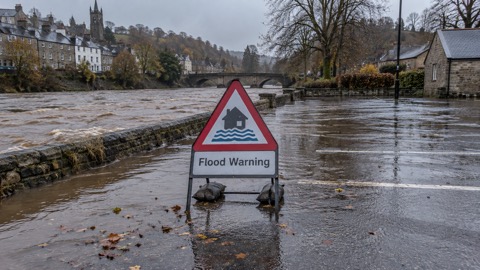
The report sets recent flooding in context. In February 2022, the country experienced three named storms (Dudley, Eunice and Franklin) in one week for the first time, and more than 370 properties were affected, mainly by river flooding1. In July 2021, parts of London received a month's rain within a couple of hours, and more than 1,500 properties suffered surface water flooding1. The Met Office reported that 18 to 20 October 2023 was the third wettest independent three-day period for England and Wales in a series dating back to 1891, and the EA reported that, by the end of October, Storm Babet alone had caused 2,200 homes to be flooded1.
"However, the capital funding is forecast to deliver protection to far fewer properties by 2027 than was promised when the capital programme was launched."
The NAO also found that, although the government's vision for flood resilience stretches to 2100 and the EA has strategic objectives for 2050, it has not set a target for the level of flood resilience it expects to achieve and has not mapped out solid plans beyond 20261. Managing flooding and coastal erosion in Scotland, Wales and Northern Ireland is devolved and is outside the scope of the report1.
Why it matters for households
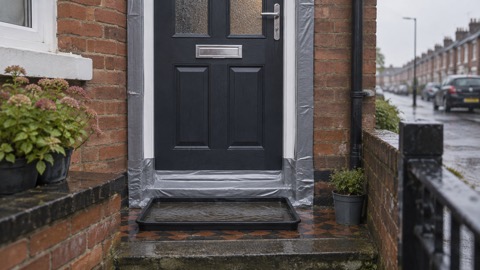
The findings concern households in England, where the EA estimates around 5.7 million properties are at risk from flooding1. The NAO's conclusion is that the capital programme is forecast to protect fewer properties than promised by 2027, and that maintenance funding shortfalls have increased risk to more than 200,000 properties1. The report notes that flooding also puts transport and utilities infrastructure at risk1. The Met Office's UK climate projections indicate more extreme weather events, including more intense rainfall, which combined with factors such as more housing development will increase flooding risks if mitigating actions are not taken1. The report does not set out advice to households. Practical information on flood defences and alleviation schemes, flood alerts, flood warnings and severe flood warnings, flood doors and windows and home insurance in a flood risk area and Flood Re is set out in the site's flooding hub.
What happens next
The NAO reports that the EA will need to achieve record levels of investment in the remaining four years of the capital programme, to 2027, to spend the full £5.2 billion allocated1. The report says the government has not mapped out solid plans beyond 2026 to bridge the gap between its shorter-term actions and long-term objectives1. No further timetable has been reported.
Sources (1)
- Resilience to flooding - NAO report, nao.org.uk
 Flood Defences