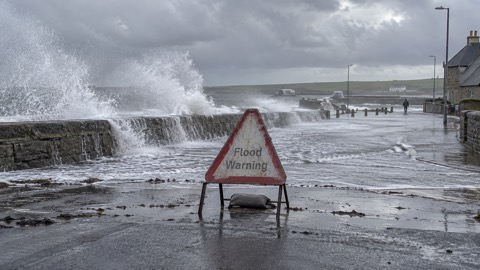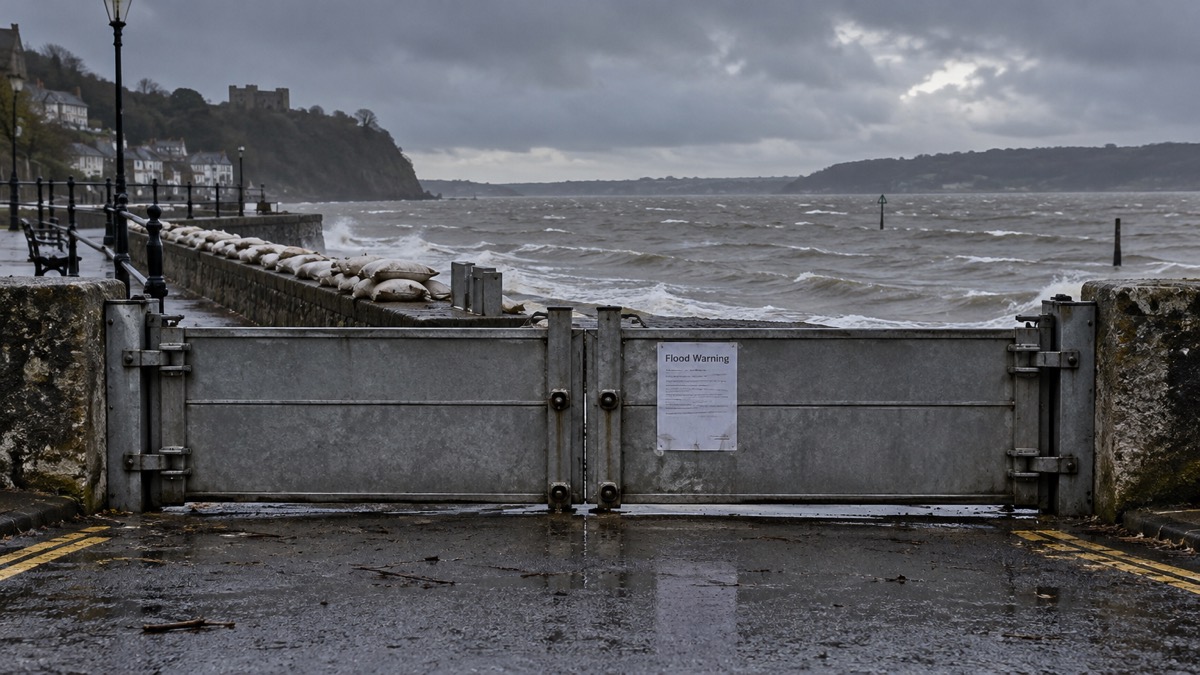
The Met Office issued a red warning for strong winds from Storm Eunice, the Environment Agency said on 17 February 2022, as it urged communities in the Severn and Wye estuaries to prepare for flooding from a forecast tidal surge on Friday 18 February1. The Agency issued 9 Severe Flood Warnings along the Severn and Wye, covering the risk of flooding from Avonmouth and up the Severn into Gloucestershire and along the Wye from Chepstow to Monmouth, and said a further 20 Flood Warnings were in place1. Severe Flood Warnings indicate that there is a risk to life1.
The Agency said the tidal surge was expected on Friday morning, with potential for high water levels between 7:30 and 11:30am, and that there was potential for record water levels along the Severn and Wye estuary1. Flooding was possible from Sharpness and up the River Severn into Gloucestershire and along the Wye to Chepstow1. Flood barriers were deployed further up the region in Shrewsbury, Frankwell and Beales Corner in Bewdley, and officers were ready to deploy barriers at Ironbridge if needed1.
Kay Champion, Area Incident Duty Manager at the Environment Agency, said:
"The arrival of Storm Eunice overnight on Thursday has the potential to cause severe flooding with overtopping of defences, very strong winds and high waves. There is potential for record water levels along the Severn and Wye estuary."
Warnings and local effects reported by public bodies:
| Area | Warning or effect reported | Source |
|---|---|---|
| Parts of Devon and Somerset | Red warning for wind; amber warnings elsewhere in the fire service area; gusts up to 90mph, and 100mph in other places | 2 |
| Suffolk | Parts of the county placed in the red warning zone early on 18 February; gusts of up to 80mph expected between 10am and 3pm | 3 |
| Central southern England | SSEN moved to Red Alert; gusts in excess of 70mph inland and up to 80mph in coastal locations | 4 |
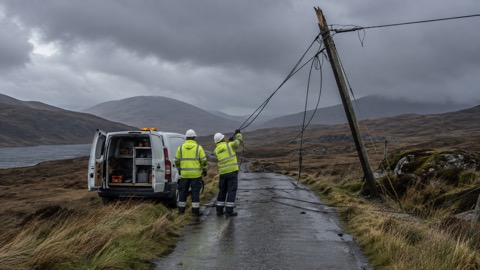
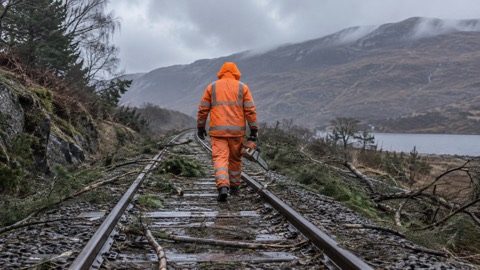
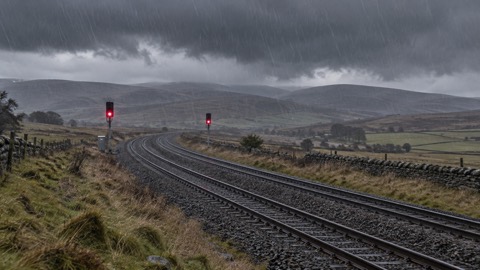
Suffolk County Council said a major incident was declared in Suffolk on the morning of 18 February following an assessment by partners in the Suffolk Resilience Forum, including councils, health bodies, utility companies and the emergency services, formalising joint working and resource sharing3. More than 100 schools were closed and students moved to online learning, libraries and Family Hubs were closed, and some waste collections were affected; the Orwell Bridge was closed in both directions and rail networks ran a reduced service3. The council said the major incident was stood down on 21 February, with Suffolk highways having responded to over 195 road related issues, mainly fallen trees, around 52 of them outstanding, and UK Power Networks working to restore power to around 9,000 customers in Suffolk5.
Scottish and Southern Electricity Networks said it had sent "warn and inform" texts to over 300,000 of its Priority Service Register customers in central southern England, and that the register is open to customers who are deaf or hard of hearing, have a disability, live with children under five, are blind or partially sighted, have a chronic illness, use medical equipment reliant on electricity, are over 60, or are categorised at high risk of severe illness from coronavirus4. The Independent reported that Storm Dudley left 14,000 homes in the North East of England without power, with reported winds of up to 81mph6.
Why it matters for households
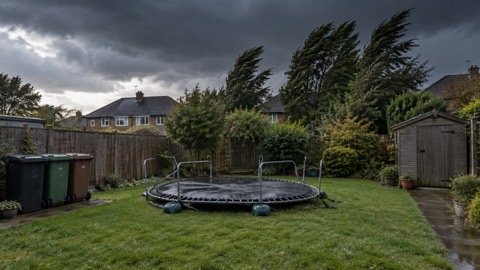
The red warning area indicated a significant danger to life, with extremely strong winds providing the potential for damage to structures and flying debris, and strong winds could also bring coastal flooding, according to Devon and Somerset Fire and Rescue Service2. The wider amber warning area highlighted the ongoing risk of disruption to power, travel and other services, with damage likely to buildings and trees2. The fire service advised people to avoid travelling during the storm and to stay at home unless they really need to travel, and said that if a journey is essential it should be planned in advance with extra time allowed2. It advised people to secure garden furniture, trampolines and plant pots, and to check for anything outside that could cause damage in the wind, such as loose guttering or fences2.
On power, the fire service said the Electricity Distribution Network Operator is responsible for maintaining physical electricity supplies, and that the local operator can be contacted by calling 1052. It advised charging torches, phones and laptops in advance, using torches and battery powered candles rather than candles, not cooking on barbecues or indoor fires such as wood burners, turning off appliances that may be a fire risk when power returns, and keeping portable heaters at least 1 metre from people and furniture2. SSEN asked customers to save the number 105 to report power cuts or damage to the electricity network, and to keep a safe distance from damaged equipment7.
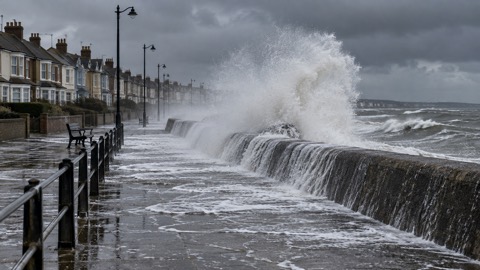
On flooding, the Environment Agency's "Prepare, Act, Survive" guidance, as set out in its warning, includes preparing a bag with medical and insurance documents, knowing how to turn off gas, electricity and water, checking insurance cover for flood damage, and calling 999 if in immediate danger and following advice from emergency services1. The Agency urged people to stay away from the coast during the storm, warned wave watchers against the danger of taking "storm selfies", and asked people to avoid low lying roads and footpaths during the high water period1. The fire service said that if a vehicle encounters flood water it should not be driven through, as just 30cm of water is enough to float a car, and that it cannot rescue vehicles driven through floodwater and stuck unless there is life risk2. Flood risk can be checked and free flood warnings signed up for at gov.uk, or by calling Floodline on 0345 988 11881.
What happens next
The Environment Agency said its incident response staff were checking defences and that it was working closely with partners, and it asked people to sign up to Flood Warnings and to follow guidance from emergency services1. In Suffolk, agencies continued clearing roads of trees, reconnecting people to power and ensuring residents were safe and looked after after the major incident was stood down, and people were encouraged to take extra care when out and about5. The county asked those travelling to plan ahead and check road closures, to report fallen trees and obstructions to Suffolk Highways on 0345 606 6171, and to avoid coastal areas because of an increased risk of erosion posing danger to life5.
The Met Office's warning levels, and what yellow, amber and red mean, are set out in the guide to Met Office weather warnings, and households can read how to sign up for Met Office weather alerts. Practical steps for preparing your home and garden for high winds and for driving safely in strong winds are covered separately, alongside guidance on coastal flooding, tidal surges and erosion, flood alerts, flood warnings and severe flood warnings and a checklist when a flood warning is issued.
Sources (7)
- Environment Agency warns communities to stay safe and be prepared as Storm Eunice approaches - GOV.UK, gov.uk
- Storm Eunice, how you can stay safe | Devon and Somerset Fire and Rescue Service, dsfire.gov.uk
- suffolk.gov.uk, suffolk.gov.uk
- Storm Eunice: SSEN moves to red alert for central southern England, Friday 18 February - SSEN, ssen.co.uk
- suffolk.gov.uk, suffolk.gov.uk
- How to report a power cut in your area and what to do if you have one | The Independent, independent.co.uk
- Storm Eunice Yellow Alert for central southern England, Friday 18 February - SSEN, ssen.co.uk
 Met Office Weather Warnings
 Preparing for High Winds
 Coastal Flooding and Erosion