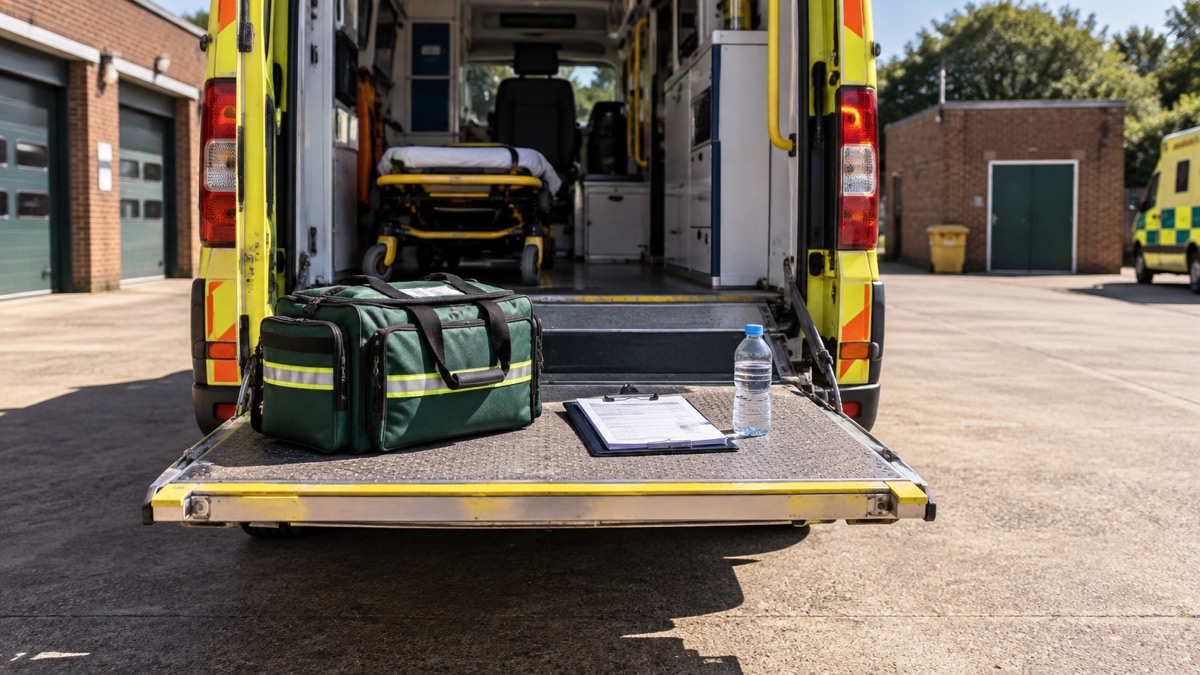
South Central Ambulance Service NHS Foundation Trust (SCAS) has reported that a shorter period of hot weather in May saw a notable rise in 999 calls, including a large number of people calling back to ask when an ambulance would arrive1. The trust set out the figures in a message urging the public to keep 999 free for life-threatening emergencies during a heatwave, published on 23 June 20261.
The trust covers Berkshire, Buckinghamshire, Hampshire and Oxfordshire, and said it was preparing for increased demand during what it described as this week's red and amber heat-health alerts1. It warned that patients with less serious illnesses and injuries may experience longer waits than usual as ambulance crews prioritise those with life-threatening emergencies1. No figure for the size of the May rise, and no date range for the hot period, has been reported1.
Mark Ainsworth, executive director of operations at SCAS, said people should not ring 999 again simply to ask for an estimated time of arrival:
"We are unable to provide one, and every call handler dealing with ETA requests is potentially unavailable to answer a life-threatening emergency call."
He also asked anyone advised to attend an emergency department, and able to get there themselves or with a friend or family member, to do so, and asked people to tell the service if they no longer need an ambulance so resources can be redirected to other patients1.
SCAS repeated standard hot weather precautions: avoid excessive alcohol, which can increase the risk of dehydration; drink plenty of fluids and stay in the shade where possible; exercise during the coolest parts of the day; wear sunscreen and appropriate clothing outdoors; and check on vulnerable relatives, friends and neighbours, particularly older people, very young children and those with existing health conditions1. It listed the signs of heat exhaustion as dizziness, headaches, excessive sweating, nausea and weakness, and said that if left untreated heat exhaustion can progress to heat stroke, a life-threatening medical emergency requiring urgent treatment1.
The trust also warned about open water, saying several drowning incidents involving young people have been reported nationally during recent periods of hot weather, and that cold water shock can put even strong swimmers in difficulty within seconds1. It said measures are in place to support crews working in high temperatures, including access to hydration, welfare breaks where operationally possible, and guidance on working safely in extreme heat1.
Why it matters for households
The reported rise in calls came during hot weather in May, and SCAS says the same pressure is expected during the current red and amber heat-health alerts across its four counties1. For households in those areas, the practical effect set out by the trust is that callers with less serious illnesses and injuries may wait longer than usual for an ambulance, because crews prioritise life-threatening emergencies1. The trust's stated position is that it cannot give an estimated time of arrival over the phone, and that repeat calls for one take call handlers away from emergency calls1. Its advice on heat illness, checking on vulnerable neighbours and the risks of cold water is set out above and attributed to the trust1. The heatwaves and drought hub collects the site's background on hot weather planning, and when to call 999 or NHS 111 for heat illness covers how the two services differ.
What happens next
No further dates have been announced. SCAS said it expected to be exceptionally busy over the coming days of the heat-health alerts and that its priority would be reaching the most seriously ill and injured patients first1.
 Calling 999 for Heat Illness





