
The UK Health Security Agency (UKHSA) published an updated Heat-Health Alert (HHA) action card for the voluntary and community sector on 19 December 2024. The guidance applies to England and sets out suggested actions for organisations at each alert level1.
The action card states that the HHA action cards have been updated to reflect the new impact-based warning system, which was developed in tandem with the Adverse Weather and Health Plan (AWHP)1. Under the system, alerts are given a colour based on the combination of the impact the weather could have and the likelihood of those impacts being realised, with assessments made in conjunction with the Met Office when adverse weather is indicated in the forecast1. Once an alert is issued it is cascaded to those registered to receive alerts and made available on a new dedicated web platform1.
The card sets out what each level means:
| Alert level | What the action card says |
|---|---|
| Green (summer preparedness) | No alert is issued as conditions are likely to have minimal impact on health1 |
| Yellow (response) | May be issued during heat unlikely to impact most people, but particularly vulnerable people, such as the elderly with multiple health conditions and on multiple medications, are likely to struggle to cope1 |
| Amber (enhanced response) | Expected impacts are likely to be felt across the whole health service, with potential for the whole population to be at risk; an Extreme Heat warning from the National Severe Weather Warning Service may be issued in conjunction and aligned with the HHA1 |
| Red (emergency response) | Significant risk to life for even the healthy population; issued in conjunction with and aligned to a red Extreme Heat warning1 |
"The HHA action cards have been updated to reflect the new impact-based HHA warning systems, which have been developed in tandem with the Adverse Weather and Health Plan ( AWHP )."
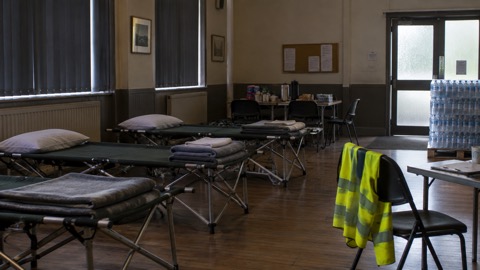
The suggested actions for organisations include identifying people most vulnerable to heat-related illness on their caseload, keeping business continuity and hot weather plans up to date, and identifying cool rooms or areas able to be maintained below 26°C1. For staff working directly with vulnerable individuals, the card suggests ensuring visitors have access to a thermometer or means of measuring temperature, and ensuring sufficient cold water and ice are available to minimise risks from dehydration1. It also suggests monitoring temperatures regularly during the hottest periods in areas where patients or clients reside and following internal procedures if a cause for concern is identified1. The card advises organisations to ensure staff are familiar with it, any relevant guidance and local plans before 1 June each year1.
Why it matters for households
The action card is written for voluntary and community organisations rather than households directly, but it describes the alert levels that such organisations, and the people they support, will see. The card notes that yellow alerts may be issued when heat is unlikely to affect most people but those who are particularly vulnerable are likely to struggle to cope, and that an amber alert indicates potential risk to the whole population1. It also states that a red alert indicates significant risk to life for even the healthy population1. The guidance is part of the same alerting system described in the site's guides to Heat-Health Alerts and the Adverse Weather and Health Plan. The card says alerts are cascaded to those registered to receive them and published on a dedicated web platform1; the site's guide explains how to sign up for Heat-Health Alerts.
What happens next
The action card sets a yearly checkpoint: organisations are advised to ensure staff are familiar with the card, relevant guidance and local plans before 1 June each year1. No further publication dates or changes to the alerting system are given in the guidance.
 Adverse Weather and Health Plan
 Heat-Health Alerts Explained





