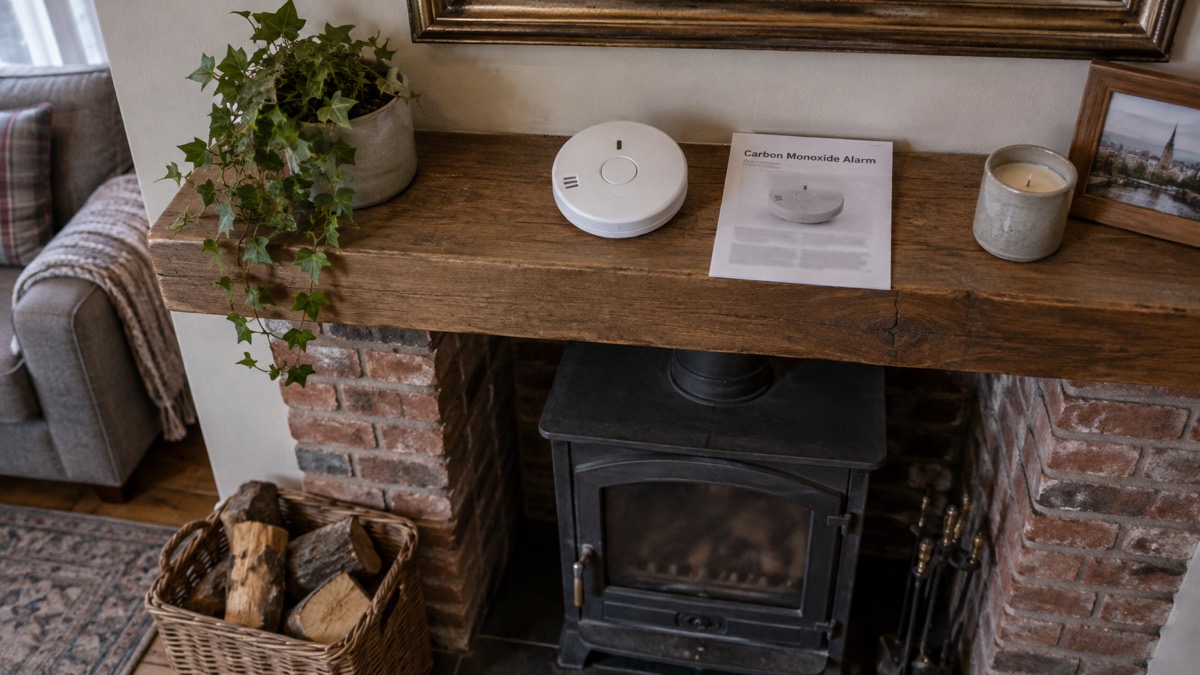
HETAS, the solid fuel and biomass heating certification body, has joined the All Party Parliamentary Carbon Monoxide Group's (APPCOG) annual Carbon Monoxide Awareness Week campaign, which runs 18 to 24 November 20241. The campaign is intended to raise awareness of the rules for carbon monoxide alarms in homes and to help people stay safe from carbon monoxide poisoning over the winter1.
HETAS reports that tens of people die from carbon monoxide poisoning every year and thousands are harmed, and states that rising fuel poverty and the current cost of living crisis are placing households at an increased risk as people look for ways to save on heating and cooking costs1. The alarm requirements differ by nation:
| Nation | Requirement as reported by HETAS | In force |
|---|---|---|
| England | Landlords required to provide carbon monoxide alarms in all rooms with a "fixed combustion appliance", such as a fireplace or boiler; the rules do not apply to gas cookers | Since 1 October 2022 |
| Wales | Landlords required to provide carbon monoxide alarms in all rooms with a fuel burning appliance | From 1 December 2022 |
| Scotland | Homes required to have carbon monoxide alarms in rooms with fuel burning appliances, except those used solely for cooking, under the Tolerable Standard | Since 1 February 2022 |
Source: HETAS1
In England, HETAS states that failure to comply can result in a £5,000 fine, and that landlords must take into account the needs of any disabled tenants1. In Wales, homes that need smoke or carbon monoxide alarms and do not have one are considered unfit for human habitation1. HETAS states that carbon monoxide alarms must carry the British Kitemark EN 50291-11.
Alan Young, HETAS Compliance Manager, said:
"An alarm does not substitute for having appliances fitted and regularly checked by a competent person and it is always important to ensure the alarm is installed and located correctly. A HETAS installer, sweep or servicing technician can provide appropriate advice."
HETAS also states that poorly installed and maintained combustion appliances fired by coal, wood, oil or gas can emit dangerous and potentially fatal levels of carbon monoxide1. Barry Sheerman MP said governments are sending a strong message by making carbon monoxide alarms a legal requirement, and urged people without an alarm to get one for their home as soon as possible1.
Why it matters for households
HETAS states that if you live in rented accommodation, it is the landlord's responsibility to provide a carbon monoxide alarm1. The rules described cover rented homes in England and Wales and homes in Scotland; the page does not set out requirements for owner-occupied homes in England and Wales beyond the Scottish Tolerable Standard, and no further detail on that has been reported here. Households with combustion appliances, including boilers, fireplaces and stoves, are the group the alarm rules address, with gas cookers excluded in England1. HETAS advises that alarms be installed and located correctly and that appliances be fitted and regularly checked by a competent person, with advice available from a HETAS installer, sweep or servicing technician1. The site's guides cover where to put a carbon monoxide alarm, why an alarm may be beeping and whether an alarm detects a gas leak; the home emergencies hub covers wider household incidents.
What happens next
Carbon Monoxide Awareness Week runs from 18 to 24 November 2024, highlighting the alarm rules, where to seek additional support and how to recognise carbon monoxide poisoning1. No further dates have been announced.