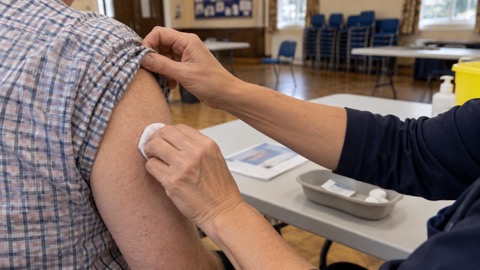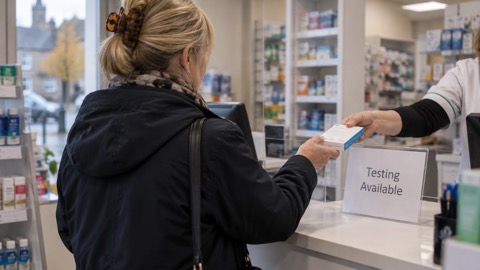
NHS England began its winter flu and COVID-19 vaccination programme on 1 October 2025, offering booked appointments and walk-in sessions at local pharmacies, GP practices and community clinic drop-in centres across England1. The programme covers all eligible people, and NHS England said it aims to "winter-proof" those most vulnerable and the NHS amid new variants circulating this year1.
Eligibility differs between the two vaccines. Flu vaccines are available for everyone aged 65 and over, under 65s in clinical risk groups, care home residents and carers, close contacts of those who are immunosuppressed, frontline health and social care workers, children and pregnant women1. Following advice from the Joint Committee on Vaccination and Immunisation, COVID-19 vaccinations are available to adults aged 75 and over, older adult care home residents, and people who are immunosuppressed1. The NHS also recommends the RSV vaccine to pregnant women and older adults, and the pneumococcal vaccine to over 65s1.
| Vaccine | Eligible groups |
|---|---|
| COVID-19 | Adults aged 75 and over; older adult care home residents; people who are immunosuppressed |
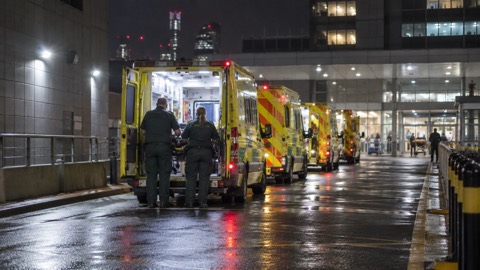
NHS England reported early signs of an increase in flu cases, and said COVID-19 cases have been steadily increasing for weeks, with hospitalisations increasing by 60 per cent1. It said the increase follows the emergence of the XFG variant in May, and that the UK Health Security Agency reported a 50 per cent increase in rhinovirus, which causes the common cold, likely driven by the return of schools after the summer break1. NHS England said 2025 is on track to be the busiest on record for A&E and ambulance services1.
For the first time, those eligible have been able to book since 1 September, and NHS England said eligible people do not have to wait to receive an invitation to book1. More than 12 million invites have been sent by email, with further invites via the NHS App, text and letters going out across the month1. Appointments can be booked via the NHS App, a local GP practice, www.nhs.uk/bookflu or www.nhs.uk/bookcovid, or by calling 1191. Vaccination teams have been rolling out flu vaccines to pregnant women and children since the start of September through GP practices, maternity services and schools, and some community pharmacies are delivering flu vaccines to two and three year olds for the first time1.
Last autumn and winter, the NHS delivered more than 18.5 million flu vaccinations to adults and children, including over half a million to 2 and 3 year olds, and 9.8 million COVID-19 vaccinations, over a quarter of a million of them to older adult care home residents1. Despite this, more than 450,000 hospital bed days were taken up by patients with flu and COVID-19 last winter1.
"It's concerning to hear flu and COVID-19 cases are already creeping up ahead of winter, but vaccinations remain our best defence against these viruses and can be lifesaving. I urge everyone eligible to come forward for their jabs as soon as they can, with easy to book appointments or drop-in sessions now available closer to home."
Why it matters for households
Households in England with members in the eligible groups can book from 1 October, and walk-in sessions are available without an appointment1. Eligibility is set by age, clinical risk, caring responsibilities, residence in a care home, or being a close contact of someone immunosuppressed, so a household may contain people eligible for flu only, COVID-19 only, or both1. Children are offered flu vaccination through schools and GP practices, and parents of two and three year olds can in some areas obtain flu vaccines at community pharmacies1. Dr Mary Ramsay, Director of Immunisation at the UK Health Security Agency, said those eligible are so because they are at greater risk of getting seriously ill and ending up in hospital, and invited people to join the "Stay strong, get vaccinated" campaign1. The vaccinations guide sets out which vaccines protect against which outbreaks, and the COVID-19 eligibility page covers who can get a COVID-19 vaccine now. The UK Health Security Agency page explains its alerts and outbreak advice, and the health emergencies hub covers wider planning.
What happens next
Further invitations are due to go out via the NHS App, text and letters across October1. NHS England said vaccination teams are working to build immunity ahead of December and January, when hospitalisations for respiratory viruses typically rise1.
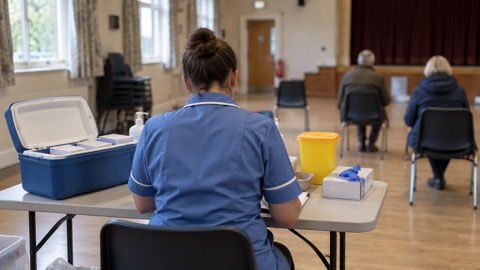 Vaccines Against Outbreaks
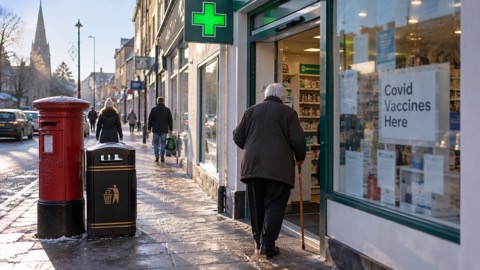 Who Can Get a COVID-19 Vaccine