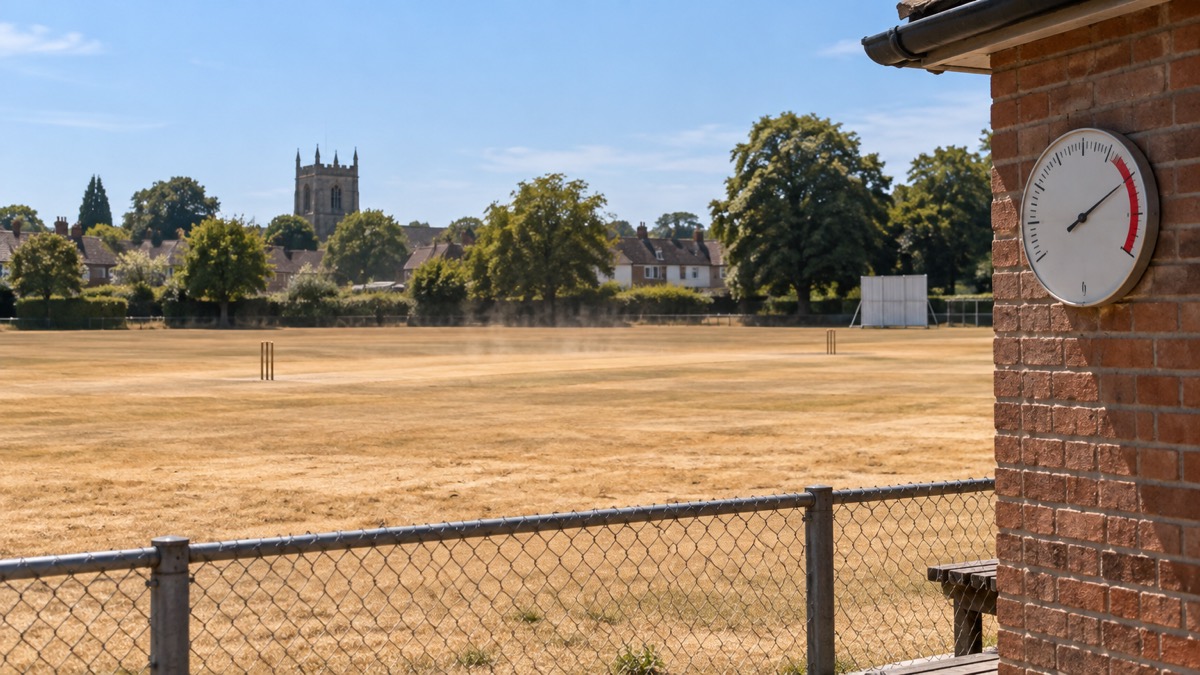
The UK Health Security Agency (UKHSA) and the Met Office issued the first yellow heat-health alert (HHA) of the year for the East of England, East Midlands, London and South East, covering the period from 9pm on 12 June to 8am on 15 June1. The announcement was published on 11 June 2025 and the page was subsequently updated through the summer as further alerts were issued1.
The yellow alert was the first of the 2025 season. Under the Weather-Health Alert system run with the Met Office, an amber alert means that weather impacts are likely to be felt across the whole health service, and at that level "we may begin to see some health impacts across the wider population", with "an increase in risk to health for individuals aged over 65 years or those with pre-existing health conditions, including respiratory and cardiovascular diseases"1. The same page sets out the impacts associated with an amber alert; it does not separately describe the impacts expected at yellow level.
The alert picture changed repeatedly over the following weeks, as the table below shows.
| Date of update | Regions under amber HHA | Regions under yellow HHA | Period |
|---|---|---|---|
| 26 June 2025 | East Midlands, South East, South West, London, East of England | Yorkshire and Humber, West Midlands | 12 noon Friday 27 June to 6pm Tuesday 1 July |
| 30 June 2025 | West Midlands and Yorkshire and the Humber added to the five above | North West | Until 9am Wednesday 2 July (the page gives the yellow end date as "9am Wednesday 2 June") |
| 11 July 2025 | West Midlands, East Midlands, South East, South West, London, East of England | North East, North West, Yorkshire and the Humber | 12pm Friday 11 July to 9am Monday 14 July |
| 11 August 2025 | West Midlands, East Midlands, South East, London, East of England | North West and North East; South West and Yorkshire and the Humber already under yellow | 9am Tuesday 12 August to 6pm Wednesday 13 August |
On 30 June the agency said the hot weather was forecast to continue through Monday and Tuesday, "with the potential for temperatures as high as 35 degrees Celsius (°C) in some areas", and that some parts of England could see overnight temperatures as high as 20-22°C1. On 11 August it said temperatures were forecast to rise above 30°C across central and southern parts of the country over the next few days, with generally hot weather expected across most regions of England1.
Dr Agostinho Sousa, Head of Extreme Events and Health Protection at UKHSA, said on 30 June:
"We are reminding everyone to take sensible precautions while enjoying the sun. Remember that it is very important to check on friends, family and neighbours who are more vulnerable, as the temperatures we are likely to see over the next few days can result in serious health outcomes across the population, especially for older adults or those with pre-existing health conditions."
Why it matters for households
Heat-health alerts are issued for England by UKHSA and the Met Office, and the regions covered and the timings change from one update to the next, so households need to check which alert applies where they live. The agency identifies people aged over 65 and those with pre-existing health conditions, including respiratory and cardiovascular diseases, as facing increased risk, and says increased use of health care services by vulnerable populations may follow1. UKHSA's published guidance, cited in its announcements, includes keeping your home cool by closing windows and curtains in rooms that face the sun; covering up with suitable clothing, an appropriate hat and sunglasses, and seeking shade and applying sunscreen regularly if going outside; keeping out of the sun at the hottest time of the day, between 11am and 3pm; planning physical activity such as exercising or walking the dog for cooler times such as the morning or evening; and knowing the symptoms of heat exhaustion and heatstroke and what to do if you or someone else has them1. The agency also asks people to check on friends, family and neighbours who are more vulnerable and to make sure they are aware of the forecasts and following the necessary advice1. The heat-health alerts guide explains the yellow, amber and red levels, and there is a separate guide to signing up for heat-health alerts. Background on the agency sits in the UKHSA guide, with wider coverage in the heatwaves and drought and health emergencies hubs.
What happens next
UKHSA said its data dashboard carries the latest details on heat-health alerts currently in place and their duration, and that its blog explains how heat impacts the body and what can be done to avoid the negative effects1. The page was last updated on 11 August 2025 with the alert then in force1. No further alert dates beyond that update have been reported.
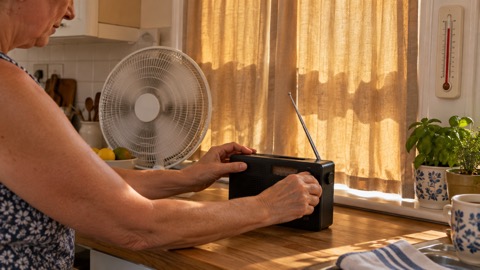 Heat-Health Alerts Explained
 UK Health Security Agency
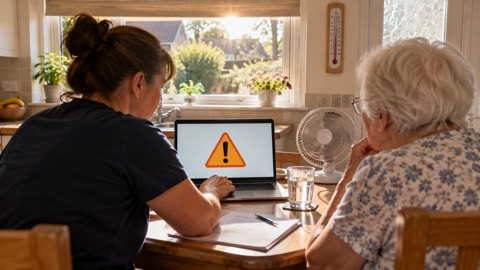 Signing Up for Heat Alerts





