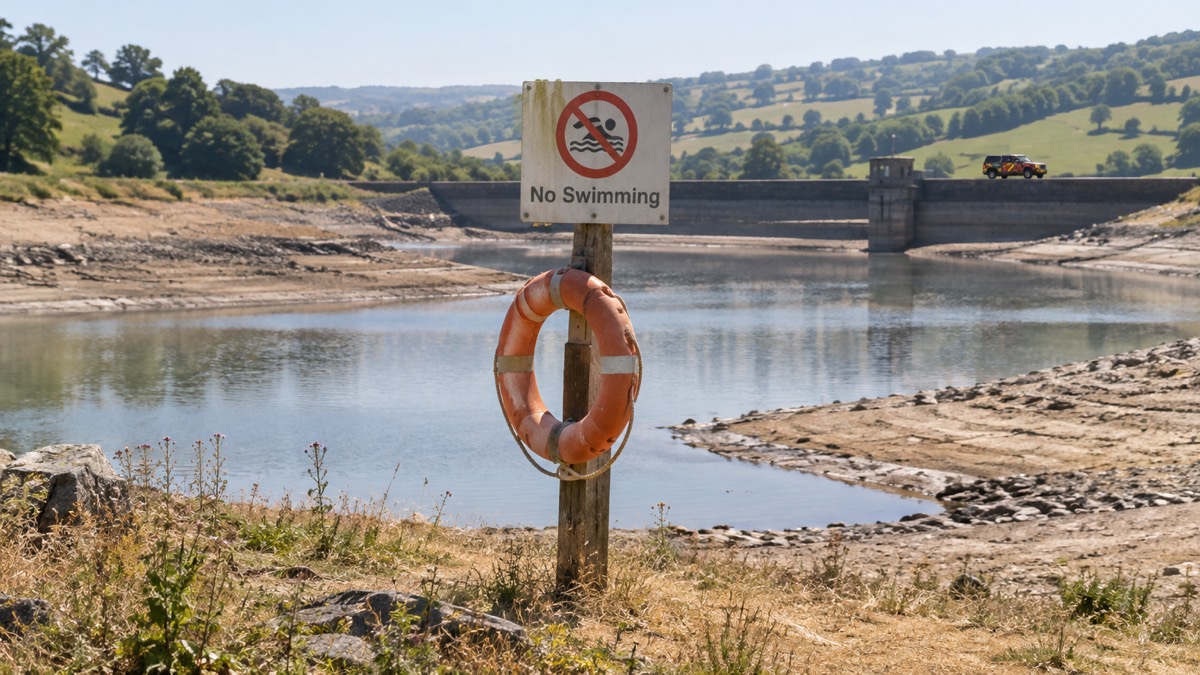
The National Fire Chiefs Council (NFCC) issued urgent public safety advice on wildfires and water safety on 11 July 2025, ahead of a weekend in which temperatures were expected to continue to rise1. The advice followed the UK Health Security Agency (UKHSA) issuing an Amber heat alert for large parts of England1.
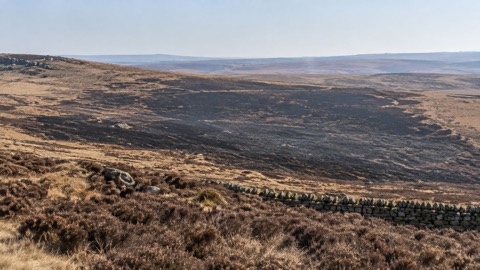
The NFCC said the number of wildfire incidents responded to by fire and rescue services in England and Wales had already passed the 500 mark this year, reaching 564 by 19 June1. That was more than double the number for the same period in 2022 (277), a year the NFCC describes as going on to be a record year for wildfires1. On water, the council said that in 2023, 37% of people who drowned were running or walking and had no intention of entering the water1. It cited research, including work by the Royal Life Saving Society and Bournemouth University, showing that when the air temperature is 25°C or above the risk of accidental drowning is five times higher than on days with an average temperature of 10°C1.
Phil Garrigan, Chair of the NFCC, said:
"Our experience tells us that wildfires can start in an instant and escalate rapidly. That's why we're asking everyone to stay alert and act responsibly. Avoid using disposable barbecues in parks or open countryside, never discard cigarettes or glass bottles, and always follow local fire safety guidance. If you spot signs of fire call 999 immediately."
The NFCC's wildfire advice asks the public to avoid disposable barbecues in open countryside, parks and moorland areas, not to discard cigarettes, matches or glass bottles, and to follow local authority guidance on fire risks and restrictions1. It asks anyone who notices suspicious behaviour, or sees someone intentionally starting a fire, to contact the police immediately or report information anonymously to Crimestoppers on 0800 555 111, and to report any signs of fire by calling 999 and asking for the Fire and Rescue Service1.
On water, the NFCC advises people not to jump into water to cool off, not to enter the water after drinking alcohol, and to actively supervise children in and near water1. It warns that water remains cold as air temperatures rise, and that cold water shock can affect the ability to swim and lead to drowning1. For a water rescue, it sets out Call, Tell, Throw: call 999, tell the struggling person to float on their back, and throw them something that floats1. Anyone in trouble in the water is advised to Float to Live by tilting the head back with ears submerged, relaxing to control breathing, moving the hands to stay afloat, and, once over the initial shock, calling for help or swimming to safety1.
Why it matters for households
The advice applies to households across England and Wales during a period of hot, dry weather, with an Amber heat alert in force for large parts of England1. The NFCC links the rise in temperatures to two separate risks: fires started by careless behaviour outdoors, and accidental drowning among people who had no intention of entering the water1. Its guidance covers behaviour in parks, open countryside and moorland, and near rivers, lakes and other water, including the supervision of children1. The NFCC's StayWise education platform carries resources for children and young people on staying safe around water1. The Heat-Health Alerts: Yellow, Amber and Red Explained guide sets out what the alert levels mean, and the Wildfires and Grass Fires: Risk and Prevention guide covers prevention in more detail.
What happens next
The NFCC advice was issued ahead of the weekend, with temperatures expected to continue to rise1. No end date for the Amber heat alert, and no further update from the NFCC, has been reported1.
 Wildfires and Grass Fires





