The Cabinet Office issued two emergency alerts to approximately 500,000 people across the Isles of Scilly and Cornwall on Thursday 8 January1. The alerts are recorded in the UK Government Resilience Action Plan: 2026 Implementation Report, published by the Cabinet Office and updated on 1 October 20261.
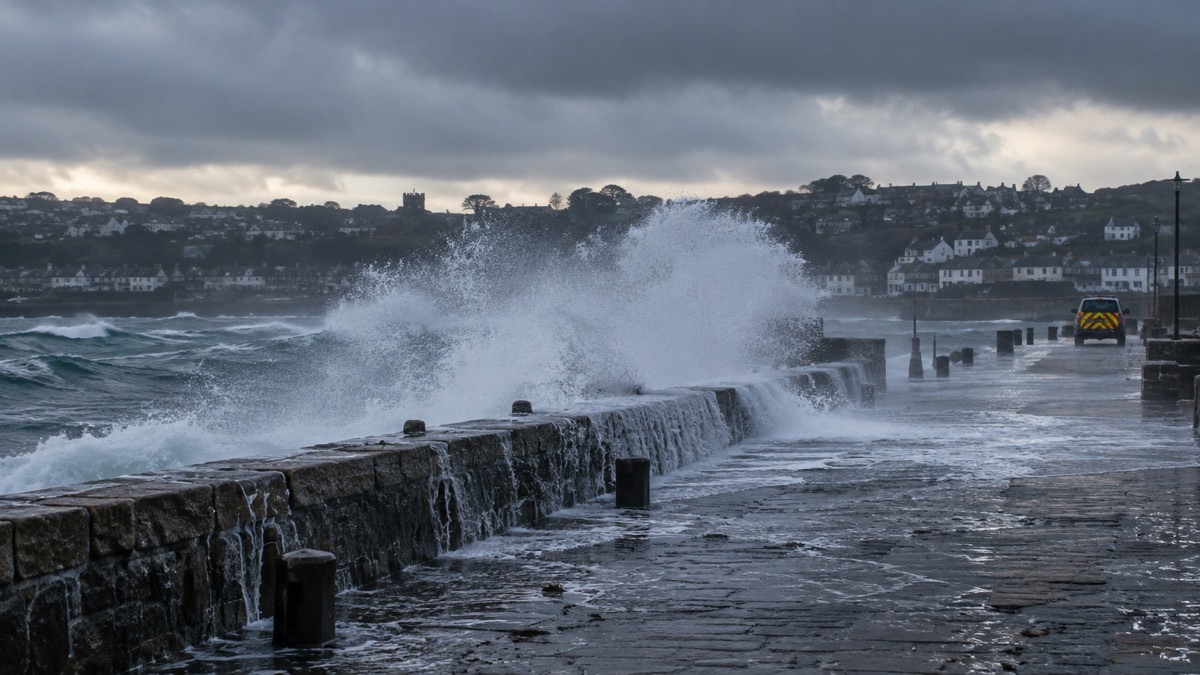
The same report records that storms Chandra, Goretti and Ingrid "caused severe disruptions and widespread utility failures in January 2026"1. It does not state in the quoted passage what the two alerts of 8 January were issued for, and no further detail on their content or the areas covered within Cornwall and the Isles of Scilly has been reported1.
"The Cabinet Office also issued two emergency alerts to approximately 500,000 people across the Isle of Scilly and Cornwall on Thursday 8 January"
The report sets the alerts in the context of a wider year of incidents. It records a RED heat weather warning in June 2026, with temperatures reaching a maximum of 37.3C in Suffolk, and COBR standing up a Severe Weather Resilience Network in response to periods of heat in June, July and August1. It also records a Meningitis B outbreak in Kent requiring a coordinated public health response, including immunisation and antibiotic distribution sessions and a one-off vaccination campaign, and the MV Hondius Hantavirus outbreak in May 2026, which required the safe evacuation of over 20 British nationals back to the UK1. Separately, it refers to the Manchester Synagogue Attack in October 20251.
| Item | Detail recorded in the report1 |
|---|---|
| Alerts issued | Two emergency alerts |
| People reached | Approximately 500,000 |
| Areas | Isles of Scilly and Cornwall |
| Date | Thursday 8 January |
| Issuing body | Cabinet Office |
Why it matters for households
Emergency alerts are sent to compatible mobile phones in a defined area and produce a loud sound and on-screen message even when the phone is on silent1. The report gives the number of people reached but does not describe the action householders were asked to take, so what recipients were told has not been reported1. Households in Cornwall and the Isles of Scilly who received the alerts, or who want to know how the system works, can read the guide to Emergency Alerts: How the UK Phone Warning System Works, check whether a handset is compatible in Will Your Phone Receive Emergency Alerts?, and find out about location data and cost in Do Emergency Alerts Track Your Location or Cost Anything?. The settings can be changed using the guide on how to turn emergency alerts off or on. The report also notes that the government is designing a national resilience public engagement campaign anchored in GOV.UK/Prepare, launching later in the year1.
What happens next
The report says an updated National Risk Register was published alongside it to reflect the latest developments in the risk landscape1. It also records that a public call for views has been launched to gather evidence from the resilience community ahead of the review of the Civil Contingencies Act 20041. A review into the response to Storm Goretti has been launched, the report says1. For official warnings as they are issued, see Where to Get Official Warnings and News in an Emergency, and for numbers to keep on paper, Emergency and Non-Emergency Numbers to Keep on Paper.
 Emergency Alerts
 Official Warnings and News