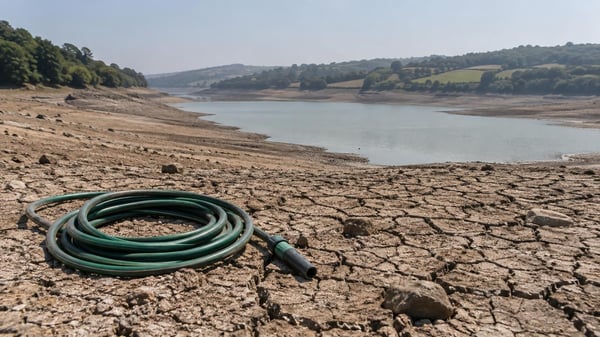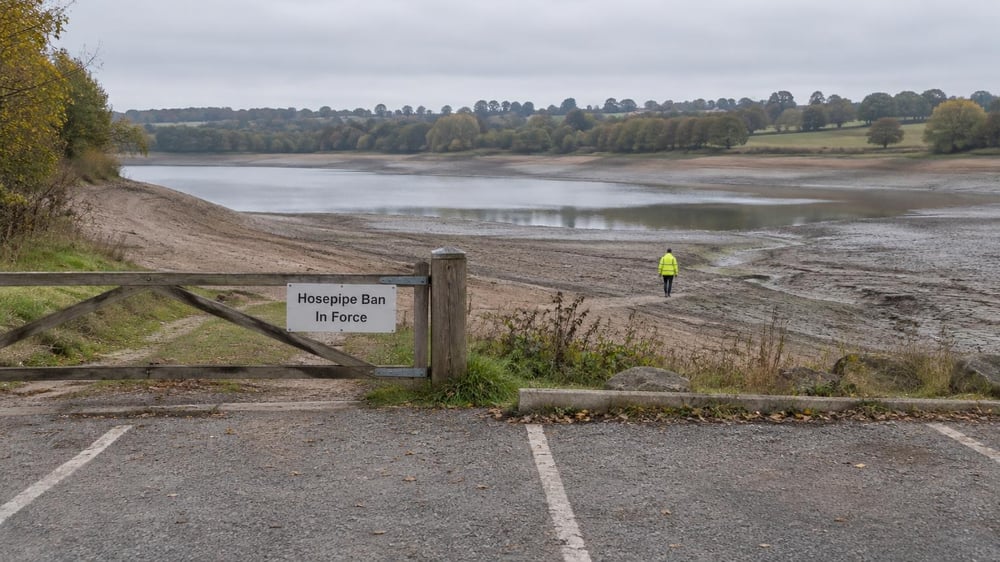
Thames Water said on 5 November 2026 that its region had reached 100 days of drought, counting from the Environment Agency's declaration for London and the Thames Valley on 29 July1. The company confirmed that a Temporary Use Ban remains in place for all Thames Water customers1.
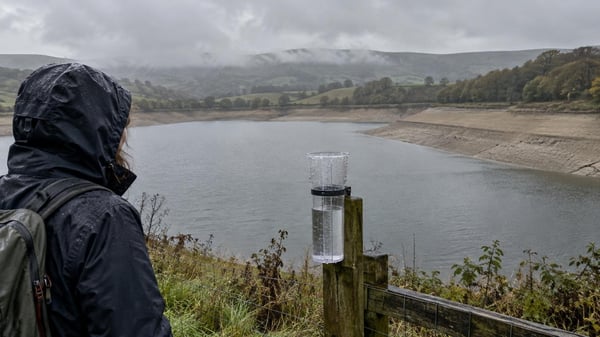
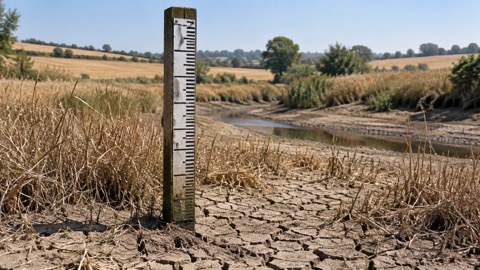
Between 1 March and 30 September 2026 the region received just 34% of the rainfall recorded in the same period in 20241. The company's figures put March to September 2026 rainfall at 194mm, or 49.58% of the long-term average, against 570.2759mm and 145.61% in 20241. From 1 August to 31 October 2026 the region received 80.8% of its long-term average rainfall, compared with 156.8% in the same period of 2024, which the company describes as a non-drought year1.
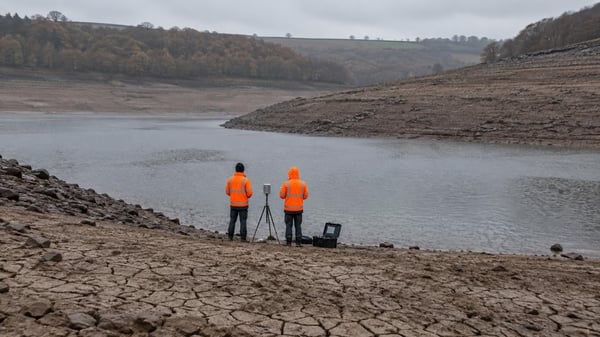
Reservoir storage as of 3 November 2026 was reported as follows1:
| Measure | Current | Average for time of year |
|---|---|---|
| Total London reservoir storage | 56% | 77% |
| Farmoor Reservoir | 76% | 90% |
The mid-October position was 54% total London reservoir storage and 68% at Farmoor1. River flows were below normal, and groundwater in London ranged from below normal to exceptionally low, with Thames Valley and Home Counties groundwater normal to exceptionally low1. Rainfall for London was 126% and for the Thames Valley and Home Counties 145% of long-term average1.
Julie Morton, Head of Water Resources at Thames Water, said:
"The recent rain has been welcome, however, recovery from a drought that developed over many months will take time, particularly when the ground is so dry."
The company said it has been fixing more than 1,000 leaks every week, around 20 per cent more than normal, and has increased the number of people finding and resolving leaks by 18 per cent compared with last year1.
Why it matters for households
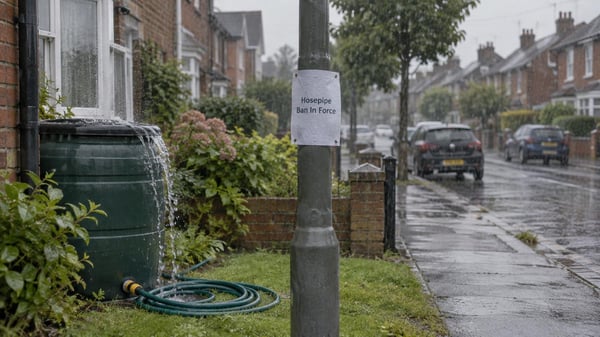
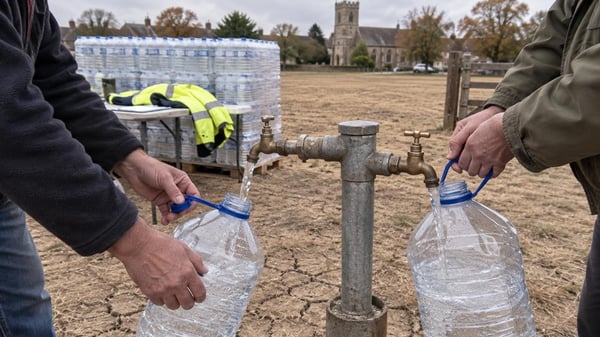
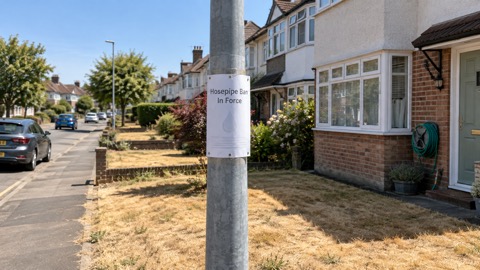
The Temporary Use Ban applies to all Thames Water customers and remains in force as the colder months begin1. Thames Water states that cooler weather does not mean the drought is over, and that restrictions will only lift when substantial rainfall replenishes supplies and conditions allow1. The company continues to urge customers to use water wisely1. Households in London and the Thames Valley are affected; the position for other water company areas has not been reported here. Background on how drought is declared in England and what each stage means and on where restrictions currently apply is set out in our guides, alongside how to save water at home when supplies are low.
What happens next
Thames Water said the forecast looks relatively dry for the first half of November, and that sustained rainfall through autumn and winter is needed to replenish resources ahead of next spring and summer1. The company said it continues to monitor rivers, groundwater, reservoirs and demand1. No date has been given for lifting the Temporary Use Ban.
Sources (1)
- 100 Days of Drought in Thames Water's region, thameswater.co.uk
 England 2026 Drought Areas
 Saving Water at Home
 Household Guide to Drought
 Drought Stages in England
 Water Company Drought Plans