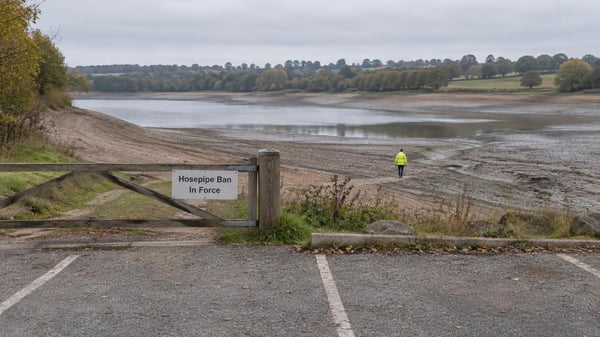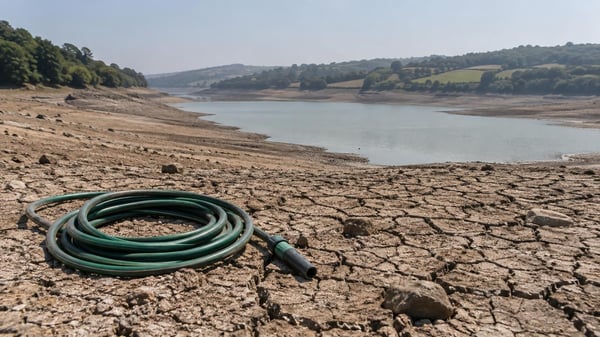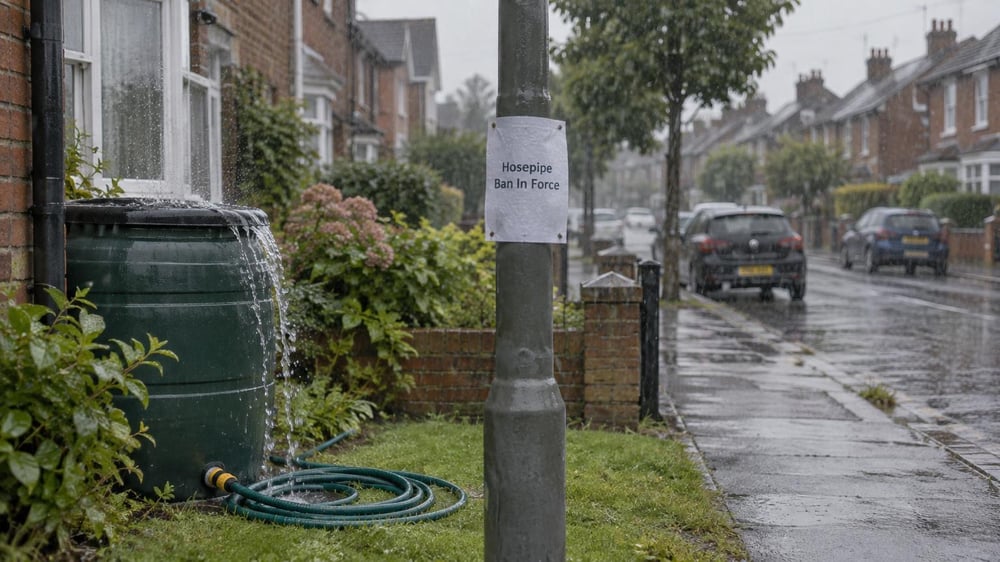
Thames Water confirmed on 6 November 2026 that its temporary use ban, also known as a hosepipe ban, remains in place for customers it supplies1. The company said recent rain had "helped some rivers and reservoirs recover" but that "months of sustained rainfall are needed to rebuild supplies"2. The Environment Agency declared a drought across London and the Thames Valley 100 days earlier, on 29 July2.
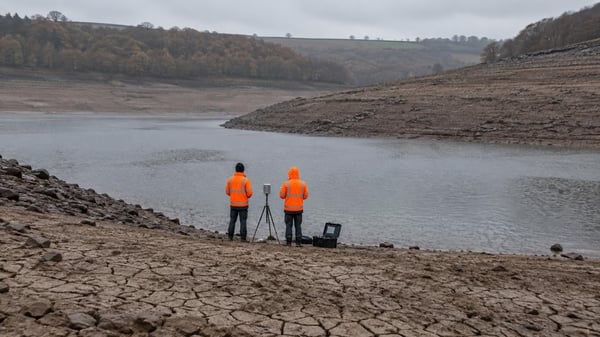
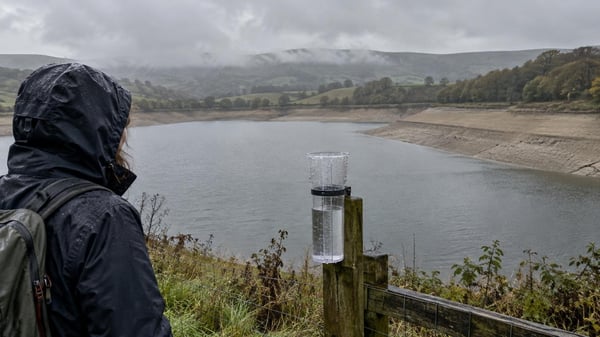
Thames Water said 194mm of rainfall was recorded between March and September, just under 50% of the long-term average, against 570mm in the same period in 2024, which was 145.6% of the long-term average2. On Tuesday, Farmoor Reservoir near Oxford was at 76% capacity and reservoir storage across London stood at 56%2. The company said household water demand in London has fallen by up to 3% since the ban was introduced, and water use across the Thames Valley and Home Counties by up to 6%1.
Under the restrictions, customers must not use a hosepipe, sprinkler or pressure washer to water gardens, lawns or allotments; fill paddling pools, swimming pools or hot tubs; or clean vehicles, patios, driveways, paths, walls, windows or outdoor surfaces1. Thames Water lists as still allowed watering plants with a watering can, using stored rainwater from a water butt, washing a car with a bucket and reusing household water on plants1. Exemptions may apply for wastewater-only customers, health and safety, animal welfare, food production, some business activities, and disability or medical needs1.
"The forecast looks relatively dry for the first half of November, and we need sustained rainfall through the autumn and winter to replenish water resources ahead of next spring and summer."
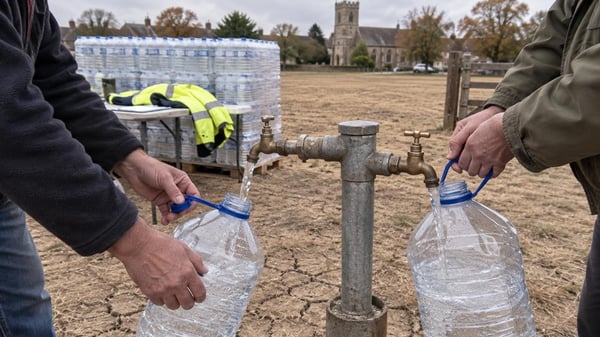
The company said the exceptionally dry weather is causing more leaks and bursts than usual, and that it is repairing more than 1,000 leaks each week, around 20% more than normal1. It said it has increased frontline leakage teams by 18% compared with last year, uses more than 75,000 acoustic sensors, has replaced more than 100km of water mains since spring 2025, and plans to invest £20 billion over the next five years1.
Why it matters for households
The ban applies to households supplied by Thames Water, which covers London, Oxford, Reading and Swindon among other areas1. The restrictions affect routine outdoor water use, including garden and allotment watering, filling paddling pools and hot tubs, and cleaning outdoor surfaces1. Thames Water advises customers to check whether an exemption applies to them, and states that the restrictions will be lifted as soon as conditions allow1. The company says it will continue to monitor river levels, groundwater and reservoir storage across the region1. Households wanting detail on what the rules permit can read our guides to watering the garden, allotment and new lawn in a hosepipe ban and to paddling pools, ponds and car washing during a hosepipe ban.
What happens next
Thames Water said the restrictions will be lifted as soon as conditions allow, and that its hosepipe ban page will be updated whenever there is a change1. No date for lifting the ban has been reported1. The company's drought plans and the public's say in them are set out in our guide to water company drought plans; wider context is in our drought and water topics.
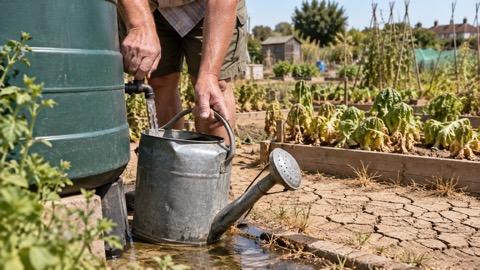 Hosepipe Bans and the Garden
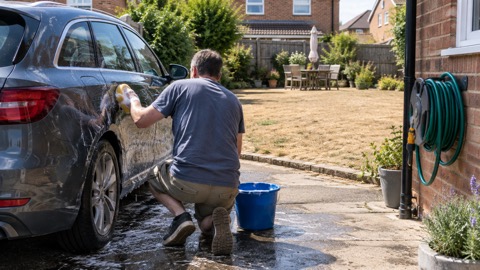 Pools, Ponds and Car Washing
 Water Company Drought Plans