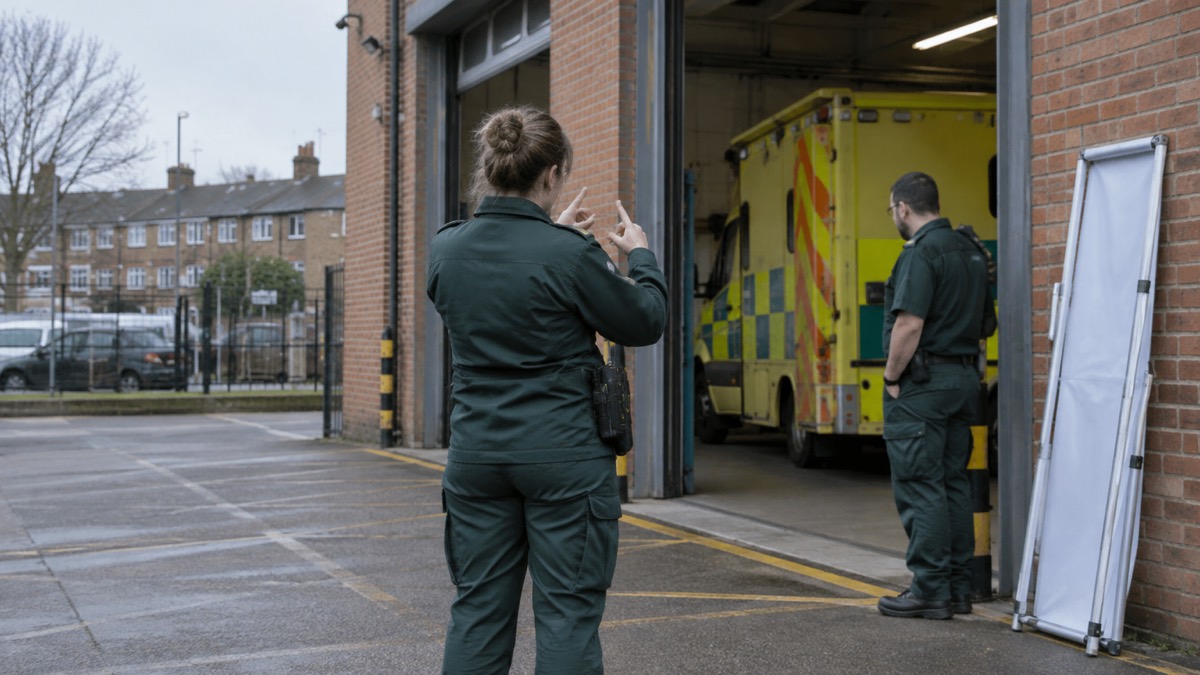
London Ambulance Service (LAS) on 27 October 2022 publicised the 999 BSL app, which lets British Sign Language (BSL) users make 999 calls by video, and a deaf paramedic at the trust urged BSL users to download it1. The service connects people with hearing or speech loss to a video call with a BSL interpreter, who then relays the conversation to the 999 call handler for ambulance, police, fire or coastguard1.
The trust said the service is free to use1. At LAS, call handlers now ask exactly the same questions they would in a voice call; previously, people with hearing or speech loss relied on a text message service, and call handlers were advised to ask fewer questions to avoid delays in organising help1. The new service also allows LAS call handlers to give deaf callers instructions on how to give CPR to someone in cardiac arrest1. Early analysis of 999 BSL calls shows they are just as quick as a voice call and take about half the time of the text system, the trust said1. The existing text relay service will be retained for people who do not use sign language1.
Paramedic Richard Webb-Stevens, who has been awarded the Queen's Ambulance Medal for Distinguished Service, has made a video explaining how BSL users can call 9991. He said:
"If you haven’t already downloaded the 999 BSL app, please do it today, it could save your life or the life of a loved one."
Sarah Clark, quality assurance manager at LAS, said the innovation means no deaf person is excluded and that deaf people now get the same advice and instructions for helping patients1. Further information is available at www.999bsl.co.uk, the trust said1.
Why it matters for households
For households with a deaf or speech-impaired member, the app changes how a 999 call is made: through a BSL interpreter on video rather than typed text, with the same questions from call handlers as in a voice call and, for cardiac arrest, CPR instructions relayed to the caller1. The trust says the service is free and covers all four emergency services1. Households that do not use sign language keep the existing text relay service1. The trust has not reported which phone platforms the app runs on, minimum device requirements, or how a call is made when mobile data or wifi is unavailable; those details have not been reported1. The 999 BSL and Relay UK guide sets out how both routes work, and what to do if you dial 999 but cannot speak covers calls where speaking is not possible. Households preparing for emergencies may also find the emergency apps guide and the page on deaf and hard of hearing households in an emergency relevant.
What happens next
No further dates have been announced. The trust directs readers to www.999bsl.co.uk for further information and to Richard Webb-Stevens's video for guidance on downloading and using the app1.
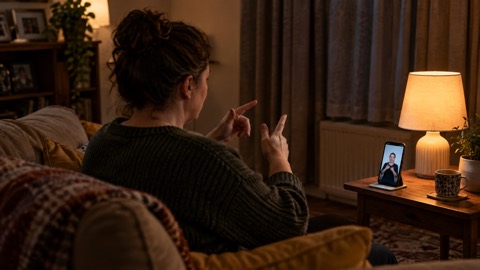 999 BSL and Relay UK
 Silent 999 Calls
 Emergency Apps
 Deaf and Hard of Hearing Safety
 Calling 999 and 112